
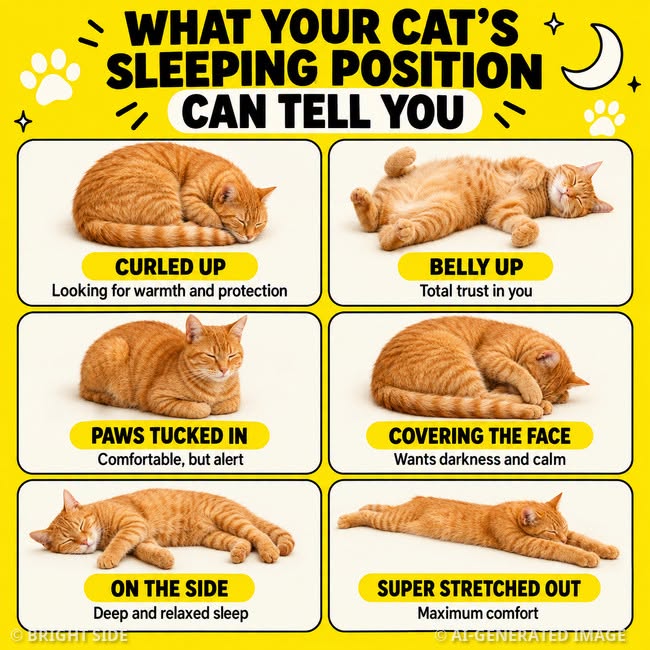
Cats are master sleepers, spending anywhere from 12 to 16 hours a day resting, snoozing, and basking in sunbeams. While it might look like they are just finding a cozy spot to pass the time, feline body language during sleep offers a fascinating window into their inner world. From protecting vital organs to showcasing absolute confidence in their environment, a cat’s posture speaks volumes. This comprehensive guide explores the psychology and biology behind feline sleeping positions, providing pet owners with actionable insights into their cat’s comfort, emotional security, and overall health.
The Evolutionary Roots of Feline Sleep Behavior
To understand why cats sleep in such diverse shapes, we must look at their evolutionary history. Domestic cats retain many of the survival instincts of their wild ancestors. In the wild, felines are both predators and potential prey. This dual nature means that even while resting, a cat’s brain remains partially alert to environmental cues and potential threats.
Different sleeping postures reflect varying degrees of vulnerability. A tightly coiled posture protects delicate internal organs and conserves heat, whereas an exposed, fully stretched posture demonstrates a complete absence of fear. Observing how and where your cat chooses to nap can reveal whether they feel completely safe in their home or if underlying stress factors are at play.
Breaking Down Common Cat Sleeping Positions
Cats adopt a wide range of shapes when they doze off. Each position communicates a distinct emotional state or physical need.
1. Curled Up (The Crescent)
When a cat curls into a tight ball with their tail wrapped around their body and nose tucked in, they are adopting one of the most common protective postures.
-
Meaning: Looking for warmth and protection.
-
Biological Function: This compact shape minimizes surface area, helping the cat conserve body heat and shield vulnerable organs in the abdomen. It is frequently observed during colder months or in drafty rooms.
2. Belly Up (The Vulnerable Spread)
Seeing a cat sleeping flat on their back with their soft belly completely exposed is a heartwarming sight for any pet owner.
-
Meaning: Total trust in you and their environment.
-
Biological Function: The abdomen houses all of a cat’s vital organs. In the wild, exposing this area is a massive risk. If your cat chooses this position around you, it means they feel entirely secure, safe from predators, and deeply bonded with their human companions.
3. Paws Tucked In (The Loaf)
Often referred to by cat lovers as the “loaf” position, the cat rests squarely on its belly with all four paws tucked neatly underneath its body.
-
Meaning: Comfortable, but alert.
-
Biological Function: While the cat is resting, tucking the paws underneath allows them to stand up and spring into action instantly if an unexpected noise or threat occurs. It indicates a state of light rest rather than deep, vulnerable sleep.
4. Covering the Face
When a cat drapes a paw over its eyes or buries its face entirely into its paws or a blanket, it creates an immediate barrier against sensory input.
-
Meaning: Wants darkness and calm.
-
Biological Function: Cats are sensitive to bright lights and sudden movements. This posture acts as a natural sleeping mask, blocking out environmental stimuli to ensure uninterrupted relaxation.
5. On the Side
Stretched out loosely on their side with legs extended outward, this posture allows the cat’s muscles to completely uncoil.
-
Meaning: Deep and relaxed sleep.
-
Biological Function: Sleeping on the side requires a high degree of environmental security. Because the limbs are relaxed, the cat cannot spring up as quickly as it can from a loaf position, signaling that they feel safe enough to enter REM sleep.
6. Super Stretched Out
Sometimes a cat will stretch out fully, either on their side or belly, with their front paws extended forward and hind legs stretched straight back.
-
Meaning: Maximum comfort and thermal regulation.
-
Biological Function: This expansive posture is often seen during warm weather, helping the cat dissipate body heat. It also signifies supreme confidence and contentment in their surroundings.
Practical Tips for Enhancing Your Cat’s Sleep Quality
Ensuring your cat gets optimal rest supports their immune system, emotional stability, and longevity. You can create an ideal sleep environment with a few simple adjustments.
-
Provide Multiple Vertical Resting Spots: Cats love high vantage points because they offer a sense of security and oversight. Shelters, cat trees, and elevated shelves fulfill this natural instinct.
-
Designate Quiet Zones: Place sleeping beds in low-traffic areas away from loud appliances, heavy foot traffic, and drafts to prevent startling during deep sleep cycles.
-
Respect Their Rest: Never disturb a sleeping cat, especially when they are in vulnerable positions like belly-up. Allowing them uninterrupted sleep builds mutual trust.
-
Monitor Sleep Changes: Sudden, drastic changes in sleeping habits—such as sleeping excessively or showing restlessness—can indicate underlying medical issues, joint pain, or stress. Consult a veterinarian if you notice abnormal shifts.
Interesting Facts About Feline Sleep
The science of cat sleep is full of surprising details that highlight just how unique these animals are.
-
Polyphasic Sleepers: Unlike humans who typically sleep in one continuous block, cats are polyphasic sleepers, meaning they take multiple short naps throughout the day and night.
-
Dreaming Cats: Just like humans, cats experience Rapid Eye Movement (REM) sleep, the stage where dreaming occurs. If you notice your cat’s paws twitching or whiskers vibrating during a nap, they are likely chasing imaginary mice in a dream.
-
Kitten Growth Spurts: Kittens sleep more than adult cats because their bodies release growth hormones during deep sleep phases.
-
Sun Chasers: Cats have a slightly higher normal body temperature than humans (around 100.5°F to 102.5°F), which explains their intense attraction to warm patches of sunlight and heat sources during rest periods.
Conclusion
A cat’s sleeping position is much more than an adorable photo opportunity; it is a direct reflection of their emotional well-being, physical comfort, and evolutionary heritage. By understanding what these resting postures mean, owners can better cater to their pets’ needs, foster deeper bonds, and ensure a safe, peaceful home environment. Pay attention to how your feline friend unwinds today, and you may discover just how safe and loved they feel in your company.
Frequently Asked Questions
Why do cats sleep so much during the day?
Cats are crepuscular by nature, meaning their natural instincts drive them to be most active during dawn and dusk. Sleeping preserves energy for hunting and exploring during those peak hours, even if their “prey” is now just a toy mouse.
Should I worry if my cat never sleeps on their back?
Not at all. Sleeping on the back requires absolute vulnerability. Some cats are simply more cautious by temperament and prefer positions that keep their paws closer to the ground, which is entirely normal behavior.
How can I tell if my cat is having a nightmare?
If your cat’s body is twitching gently, making soft vocalizations, or moving its paws during sleep, it is experiencing normal REM sleep and likely dreaming. However, if they wake up suddenly in a state of extreme panic or aggression, it may indicate sensory overstimulation or underlying stress.
