
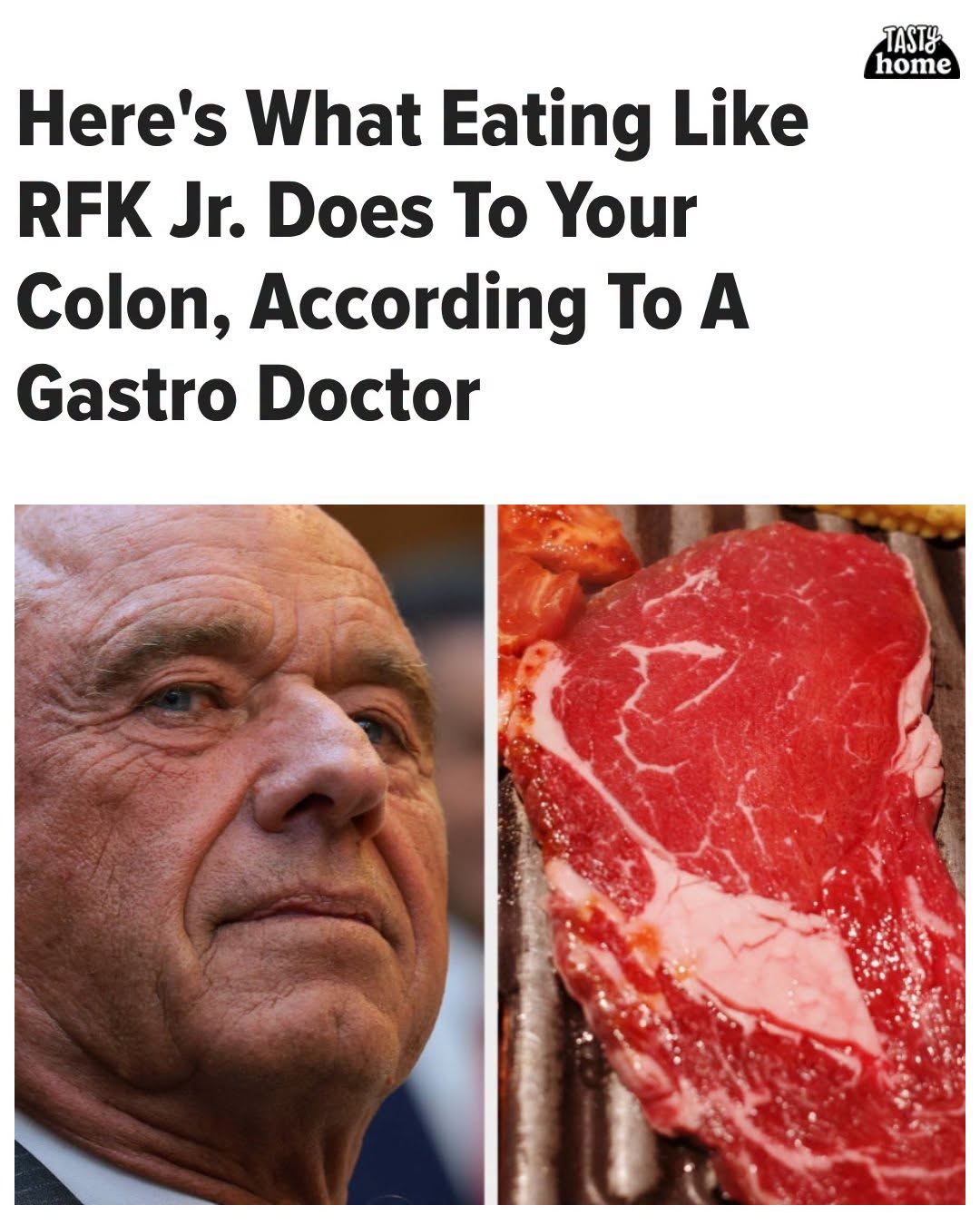
In recent public health discussions, unconventional wellness agendas and high-protein dietary choices have taken center stage. Prominent political figures—including U.S. Health Secretary Robert F. Kennedy Jr.—have brought heightened attention to low-carb, high-meat eating plans that prioritize red meat, full-fat dairy, and fermented foods while heavily limiting seed oils and ultra-processed ingredients. While advocates claim these diets improve metabolic clarity and digestive efficiency, leading gastroenterologists and medical researchers express serious concerns regarding long-term colon health and gut microbiome diversity.
In this comprehensive medical analysis, we examine what happens inside your digestive tract when you adopt a meat-centric eating plan, detail the crucial role of dietary fiber, navigate health care decisions and legal protections, and outline practical digestive wellness tips.
Understanding the “Living Carnivore” Eating Style
To evaluate how a high-protein diet impacts your gut, it is essential to look at the primary components making up this lifestyle:
High Consumption of Red Meat and Animal Fats
The Routine: Meals center primarily around cuts of steak, ground beef, eggs, and animal fats like beef tallow or butter, while avoiding seed-based vegetable oils and processed carbohydrates.
The GI Impact: Red meat takes longer to break down than simple carbohydrates. Heavy red meat intake increases bile acid production in the liver, which passes into the large intestine and can alter the chemical balance of your lower gastrointestinal tract.
Reliance on Fermented Foods Over Fresh Produce
The Routine: Instead of sourcing fiber from diverse fruits, vegetables, legumes, and whole grains, followers rely heavily on fermented items such as sauerkraut, kimchi, kefir, and sugar-free yogurt to introduce beneficial microbes.
The GI Impact: While fermented foods introduce live probiotics, medical experts emphasize that fermented cabbage or yogurt cannot fully replace the wide array of fermentable plant fibers needed to sustain a diverse gut ecosystem.
What Gastroenterologists Say About Colon Health and High-Meat Diets
Gastroenterology specialists point out several distinct physiological changes that occur inside the colon when plant fiber is severely restricted in favor of animal protein:
1. Microbiome Starvation and Shift in Gut Bacteria
Your gut microbiome relies on complex carbohydrates and soluble plant fibers to thrive. Beneficial bacteria in the colon ferment these undigested fibers into short-chain fatty acids (SCFAs)—such as butyrate—which nourish the cells lining the colon wall, reduce inflammation, and maintain a strong gut barrier. Without plant fiber, beneficial bacteria populations shrink, compromising the mucosal lining.
2. Slowed Transit Time and Severe Constipation
Fiber adds necessary bulk and draws moisture into human waste, promoting smooth, regular bowel movements. Eliminating fiber drastically slows colonic transit time. Stools remain in the large intestine longer, becoming dry, hard, and difficult to pass, which increases the risk of painful hemorrhoids, chronic constipation, and diverticular disease.
3. Elevated Risks for Colorectal Inflammation
Decades of epidemiological research consistently associate high, unbuffered red meat consumption with elevated inflammatory markers in the large intestine. Gastrointestinal doctors caution that consuming large quantities of saturated fat without adequate antioxidant-rich vegetables can increase oxidative stress along the colonic epithelium.
Healthcare Navigation, Medical Insurance, and Legal Rights
Making radical changes to your diet can lead to unexpected physiological consequences, making professional medical guidance and proper health coverage indispensable.
1. Utilizing Health Insurance and Specialist Care
Experiencing sudden changes in bowel habits, severe abdominal pain, or rectal bleeding requires immediate clinical evaluation. Securing comprehensive health insurance allows patients to access preventive colonoscopies, gastrointestinal consultations, and specialized lab work without overwhelming personal finance reserves or taking out an emergency loan.
2. Legal Protections and Medical Advisory
When seeking medical treatment or navigating dietary supplement safety, patients rely on established standard-of-care guidelines. Individuals facing severe complications or misdiagnosis consult a licensed attorney specializing in legal services and medical malpractice to review clinical records and protect their patient rights.
3. Strategic Financial and Wealth Planning
Maintaining long-term wellness allows individuals to stay active throughout their careers and build sustainable wealth. Balancing healthcare costs with personal investment strategies—such as funding a home mortgage, building a diversified investment portfolio, maintaining good credit, and securing long-term retirement savings—ensures lifelong stability.
Practical Tips for Maintaining a Healthy Colon
Whether you follow a high-protein, low-carb plan or a traditional diet, gastroenterologists recommend these core daily practices for digestive health:
Prioritize Soluble and Insoluble Fiber: Aim for 25 to 38 grams of dietary fiber daily from diverse sources like leafy greens, berries, oats, chia seeds, and legumes.
Stay Extensively Hydrated: Drink plenty of water throughout the day, especially if increasing protein intake, to assist fiber in keeping stools soft and mobile.
Pair Meat with Antioxidant-Rich Greens: If you eat red meat, pair it with dark leafy greens or cruciferous vegetables to help neutralize free radicals and support colonic transit.
Monitor Changes in Bowel Habits: Track any drastic shifts in frequency, consistency, or abdominal comfort when changing your eating routine and consult a gastroenterologist if symptoms persist.
Interesting Facts About the Human Digestive System
The Surface Area of the Colon: The mucosal lining of the human large intestine spans roughly 30 square meters (about the size of a small studio apartment), providing an enormous surface area for nutrient and water absorption.
Trillions of Microbes: The human gut houses over 100 trillion microorganisms, outnumbering human cells in the body and weighing up to 4 pounds in total.
The Gut-Brain Connection: The colon contains over 100 million nerve cells—known as the enteric nervous system—which communicate directly with the brain via the vagus nerve, affecting mood and stress levels.
Conclusion
While high-protein and carnivore-style eating plans may offer short-term simplicity or carb reduction, completely eliminating fiber places significant strain on the colon. Maintaining long-term digestive vitality requires a balanced approach that supports beneficial gut bacteria, preserves regular transit time, and protects long-term colonic health.
FAQ Section
What happens to your colon when you stop eating fiber?
Without fiber, beneficial gut bacteria lack the fuel required to produce short-chain fatty acids like butyrate, leading to a weaker gut lining, altered microbiome diversity, and increased risk of constipation.
Can fermented foods completely replace plant fiber in your diet?
No. While fermented foods introduce beneficial live probiotics, they do not provide the structural fiber bulk needed to feed existing gut microbes or keep digestive waste moving smoothly through the colon.
Is high red meat consumption linked to colon cancer risk?
Yes, extensive clinical research from international health organizations links high, long-term red meat consumption—especially without fiber buffering—to an increased risk of colorectal inflammation and cellular damage.
