
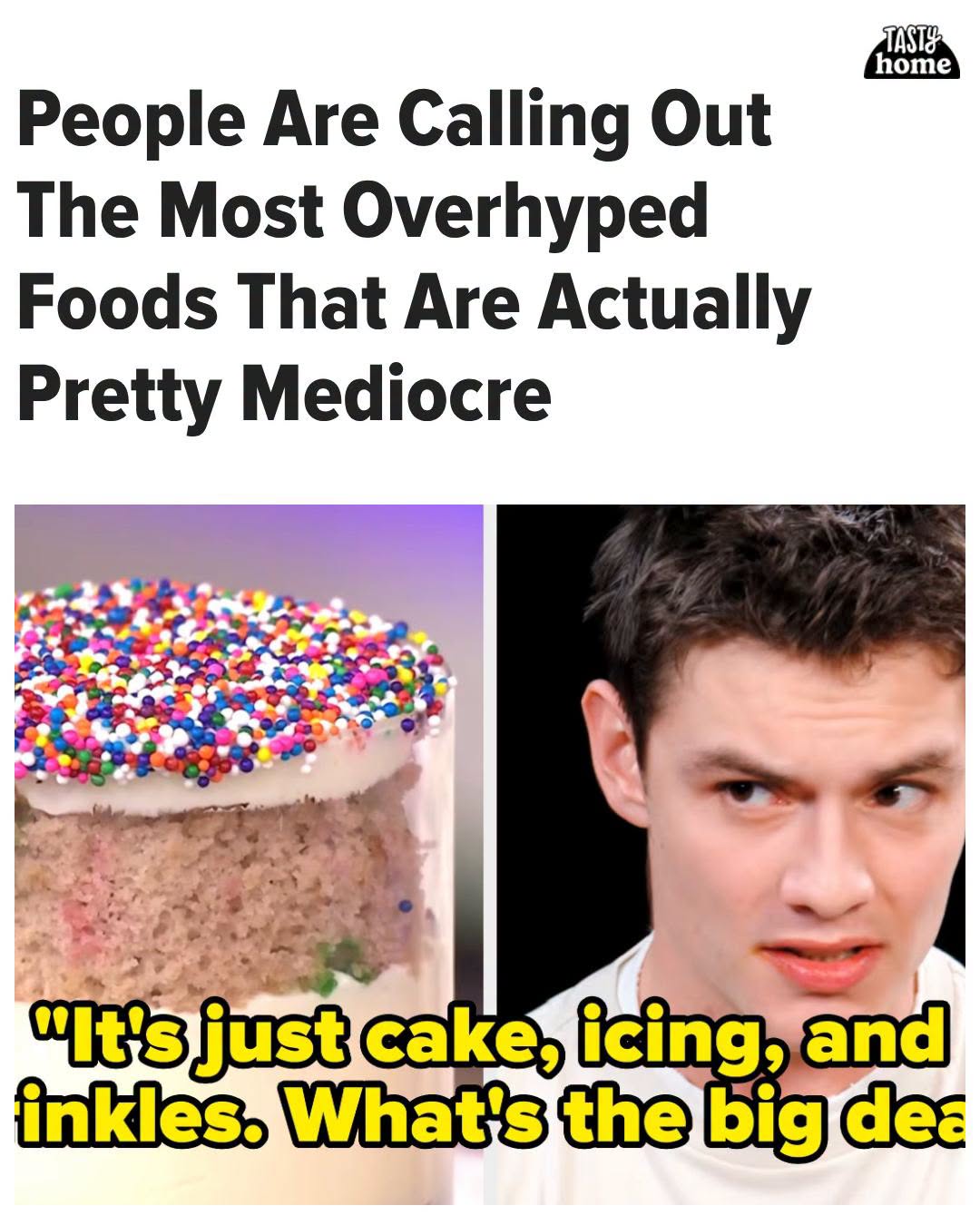
In the era of viral food culture, Instagrammable aesthetics often take precedence over actual flavor, leading to culinary trends that look stunning on camera but fail to deliver on the plate. From multi-tiered rainbow sprinkle cakes to gold-dusted burgers and overpriced truffle oil infusions, food lovers are increasingly calling out trends that rely more on clever marketing and viral social media hype than genuine taste.
In this comprehensive culinary breakdown, we examine four viral food trends facing public backlash, explore the sensory science behind food perception, navigate business and financial strategies for food concepts, and share practical tips for making smart dining choices.
4 Viral Culinary Trends Called Out as Overrated
Let’s break down four popular food trends and examine why food critics and everyday diners argue they fall short of expectations:
1. Ultra-Aesthetic Funfetti and Sprinkle Cakes
The Critique: Critics point out that rainbow sprinkle cakes are often just dense vanilla sponge cake layered with basic buttercream icing and colorful candy sprinkles.
The Reality: While visually appealing for celebrations and social media photos, the flavor profile is frequently overly sweet and lacks complex notes like Madagascar vanilla, brown butter, or citrus zest.
2. Excessive Truffle Oil Drizzles
The Critique: Truffle fries, truffle pasta, and truffle burgers promise gourmet luxury but often overpower every other ingredient on the plate.
The Reality: Most commercial truffle oil contains zero real truffles; instead, it relies on synthetic chemical compounds like 2-methylbutane, creating a harsh, artificial aroma that masks the natural flavors of the dish.
3. Edible Gold Leaf Accents
The Critique: High-end restaurants frequently wrap steaks, burgers, and ice cream sundaes in 24-karat edible gold foil to justify exorbitant prices.
The Reality: Gold leaf is completely tasteless, odorless, and offers no nutritional value, serving solely as a flashy visual gimmick to boost price points without enhancing flavor.
4. Over-the-Top Extreme Freakshakes
The Critique: Milkshakes piled high with whole slices of cake, donuts, cotton candy, and lollipops look impressive in photos but are nearly impossible to eat cleanly.
The Reality: The sheer amount of refined sugar leads to quick flavor fatigue, making it difficult to enjoy the dessert beyond the first few bites.
The Psychology and Physiology of Food Hype
Why do social media trends sway our perception of taste before we even take a bite?
Visual Expectations vs. Taste Reality
Human brains process visual information before olfactory and gustatory cues. When a dish looks extraordinary online, expectations skyrocket. However, if the texture or flavor profile fails to match the visual presentation, consumers experience disappointment—a phenomenon known in sensory science as expectation contrast.
Balancing Indulgence and Nutritional Health
Consuming ultra-processed, high-sugar viral foods frequently can lead to blood sugar spikes and digestive discomfort. Maintaining optimal gut health requires balancing occasional fun treats with nutrient-dense, fiber-rich whole foods that nourish your digestive system.
Business Growth, IP Rights, and Corporate Finance
Building, marketing, and scaling viral food concepts or commercial bakery lines requires strategic corporate foresight, legal protections, and solid financial planning.
1. Intellectual Property Protection and Legal Services
Food innovators, commercial bakeries, and franchise operators developing signature recipes or trademarked food packaging work closely with an experienced attorney specializing in legal services. Securing trademark protections, defending trade secrets, navigating food safety compliance, and managing vendor distribution contracts prevent brand infringement.
2. Corporate Finance, Credit, and Capital Expansion
Expanding a bakery chain, food truck business, or restaurant brand demands careful corporate finance management. Restaurant founders utilize commercial credit facilities, negotiate business loan arrangements, attract private investment capital, and secure corporate retirement funds to support long-term company stability.
3. Commercial Real Estate, Insurance, and Risk Management
Operating commercial kitchens, retail storefronts, and distribution centers requires solid property backing. Hospitality brands safeguard physical assets with commercial property insurance and manage retail facilities through structured corporate mortgage agreements.
Practical Tips for Evaluating Viral Food Trends
Want to avoid spending hard-earned money on disappointing viral dishes? Follow these practical dining tips:
Look Beyond the Aesthetics: Evaluate whether a dish relies on high-quality culinary techniques or just flashy garnishes like edible glitter, gold leaf, or excessive sprinkles.
Check Unfiltered Customer Reviews: Look past sponsored social media posts and read independent reviews on local dining forums to gauge authentic flavor ratings.
Recreate Desserts at Home: Upgrade basic sprinkle cakes at home by using high-quality vanilla bean paste, European-style cultured butter, and real fruit fillings.
Manage Personal Finance Wisely: Keep dining budgets structured by managing discretionary food spending using smart personal finance principles to protect long-term savings.
Fascinating Facts About Food Trends and Taste Perception
The Taste of Gold: Edible gold leaf is biologically inert, meaning it passes through the human digestive tract without reacting chemically or absorbing into the body.
The History of Sprinkles: Rainbow sprinkles (also known as nonpareils) originated in France in the late 18th century as decorative sugar accents for fine pastries.
Synthetic Truffle Discovery: The synthetic compound used in most commercial truffle oil, 2-methylbutane, was originally developed in laboratory settings during the 1980s to mimic wild truffle aromas cheaply.
Conclusion
While visual food trends and viral desserts make for eye-catching social media posts, authentic flavor, high-quality ingredients, and culinary balance always win in the long run. By looking past flashy garnishes and focusing on real taste, you can discover truly exceptional food experiences that satisfy every craving.
FAQ Section
Is edible gold leaf safe to eat?
Yes, pure 23-karat or 24-karat edible gold leaf is non-toxic and biologically inert, passing through the digestive system safely without being absorbed.
Why is real truffle oil so expensive?
Real truffle oil is made by steeping actual fresh truffles in high-grade olive oil, requiring labor-intensive harvesting by trained dogs or pigs, making it far rarer than synthetic alternatives.
How can you make funfetti cake taste better?
Enhance funfetti cake by adding almond extract, using real butter instead of oil, incorporating fresh buttermilk, and filling layers with fruit compote or rich chocolate ganache.
