
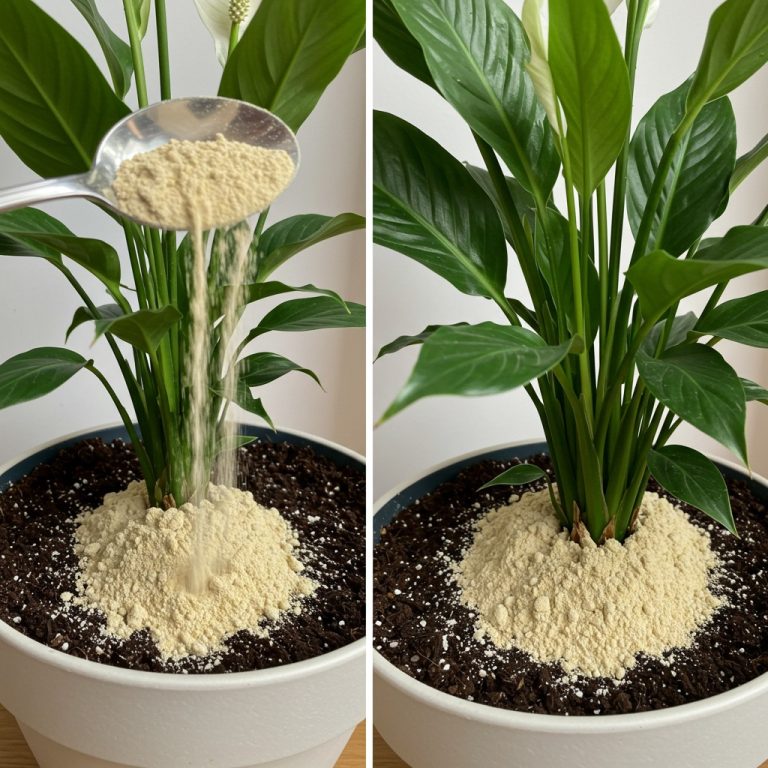
Indoor plants bring vibrant life, natural beauty, and improved air quality into our living spaces. However, keeping houseplants like Peace Lilies (Spathiphyllum), pothos, and monstera thriving year-round can sometimes present a challenge. From yellowing leaves and slow growth to persistent soil pests like fungus gnats, houseplant enthusiasts are constantly searching for safe, effective, and budget-friendly ways to keep their indoor garden lush and vibrant.
One clever technique gaining widespread popularity among plant lovers involves applying fine, organic household powders—such as diatomaceous earth, cinnamon, or bone meal—directly to the base of potted plants. Understanding how these natural soil amendments work allows you to protect your plants, enrich potted soil, and encourage continuous flowering without relying on harsh chemical pesticides.
Why Adding Powdered Ingredients to Potted Soil Works
Potted plants rely entirely on the limited nutrients, moisture, and microbial life present within their container environment. Over time, frequent watering leaches key minerals out of the soil, while high humidity can create breeding grounds for mold, root rot, and unwanted insects.
Applying a light layer of target organic powder to the soil surface addresses several common indoor gardening issues simultaneously.
1. Organic Pest Control and Eradication
Insects like fungus gnats, root aphids, and thrips often lay eggs in damp topsoil.
-
Diatomaceous Earth (DE): Food-grade diatomaceous earth is a naturally occurring powder made from fossilized microscopic algae. When applied dry to topsoil, its microscopic sharp edges pierce the outer exoskeletons of soft-bodied insects, eliminating pests naturally without chemical sprays.
-
Cinnamon Powder: Ground cinnamon acts as a natural fungicide. Dusting cinnamon over topsoil helps eliminate surface mold and inhibits damping-off disease, protecting vulnerable root systems.
2. Slow-Release Nutrient Delivery
Natural organic powders, such as bone meal, kelp powder, or powdered eggshells, act as gentle, slow-release fertilizers.
-
Essential Minerals: Powdered eggshells and bone meal supply rich calcium and phosphorus, which promote strong cell wall development, root expansion, and vibrant blooms in flowering houseplants like Peace Lilies.
-
Balanced Feeding: Unlike concentrated synthetic liquids that risk burning delicate roots, organic powders break down gradually as you water, delivering steady nourishment over several weeks.
Comparing Popular Household Powders for Plants
| Powder Type | Primary Purpose | Best For | Application Method |
| Food-Grade Diatomaceous Earth | Pest control (fungus gnats, ants) | All potted indoor and outdoor plants |
Sprinkle dry onto topsoil surface |
| Ground Cinnamon | Fungicide & natural root stimulator | Cuttings, seedlings, moldy topsoil | Lightly dust over affected soil area |
| Powdered Eggshells | Calcium supply & soil pH balancer |
Flowering plants, tomatoes, Peace Lilies |
Mix 1-2 spoons into top layer of soil |
| Bone Meal Powder | Phosphorus boost for root & bloom strength | Established potted perennials & bulbs | Work gently into topsoil before watering |
Practical Tips for Applying Powders to Indoor Plants
To maximize the benefits of soil powders while preserving healthy root aeration, follow these simple, practical guidelines:
-
Keep the Surface Layer Dry when Treating Pests: If using diatomaceous earth for pest control, ensure the top inch of soil is dry before application, as wet DE temporarily loses its abrasive effectiveness against insects.
-
Apply in Moderation: A thin, even dusting or a few spoonfuls around the stem base is completely sufficient. Avoid creating an impermeable crust that blocks water penetration.
-
Gently Work Powders into Soil for Nutrition: When applying nutrient-rich powders like calcium or bone meal, use a small fork to mix the powder lightly into the top layer of potting mix before watering.
-
Water Mindfully: Water your plants near the base or use bottom-watering techniques to prevent washing topically applied powders off the soil surface.
-
Reapply After Heavy Watering: Soil powders used for pest prevention may need light reapplication after deep watering sessions.
Fascinating Facts About Plant Care and Botany
-
Peace Lily Resilience: Peace Lilies (Spathiphyllum) are excellent natural air purifiers known for their ability to signal water needs by gently drooping before springing back rapidly once hydrated.
-
Natural Cinnamon Defense: Cinnamon contains cinnamaldehyde, an organic chemical compound that naturally inhibits fungal growth and repels small garden insects.
-
Fossilized Algae: Diatomaceous earth is derived from the fossilized remains of diatoms, tiny aquatic organisms whose silica-based skeletons have existed for millions of years.
Home Improvement, Insurance, and Business Considerations
Cultivating indoor greenery is a key element of modern interior design, property staging, and personal wellness. Maintaining healthy indoor plants enhances living environments, boosts home air quality, and increases aesthetic appeal when listing real estate for sale or rent.
For homeowners and property managers, investing in sustainable, eco-friendly home improvement techniques protects indoor air quality and aligns with modern green building standards. When managing real estate investments, home insurance planning, or commercial leasing contracts, keeping properties well-maintained—including indoor landscaping and pest management—creates healthy, inviting spaces that support long-term property value.
Conclusion
Using simple, natural household powders as soil amendments is an effective, eco-friendly secret for maintaining vibrant indoor plants. Whether you are defending against fungus gnats with food-grade diatomaceous earth or enriching soil with natural calcium and antifungal cinnamon, these affordable techniques keep your houseplant collection thriving, green, and beautiful year-round.
Frequently Asked Questions (FAQ)
Can I use regular baking powder or flour on my houseplants?
No. Kitchen flour can attract pests and create moldy buildup on damp soil, while baking soda contains high sodium levels that can damage plant roots over time. Stick to proven organic choices like cinnamon, food-grade diatomaceous earth, or bone meal.
How often should I apply powders to my potted plants?
For pest control, reapply a light layer once the topsoil dries after watering until the insects are gone. For nutrient supplements like calcium or bone meal, a single application every 4 to 6 weeks during the spring and summer growing season is sufficient.
Is diatomaceous earth safe to use around pets and children?
Yes, provided you use food-grade diatomaceous earth. It is non-toxic to humans and household pets, though avoiding inhalation of the fine dust during application is always recommended.
Why do my houseplants get fungus gnats in the first place?
Fungus gnats thrive in constantly moist, organic potting soil. Overwatering is the primary cause. Allowing the top inch of soil to dry out between waterings and applying a protective top layer of powder or sand breaks their breeding cycle.
