
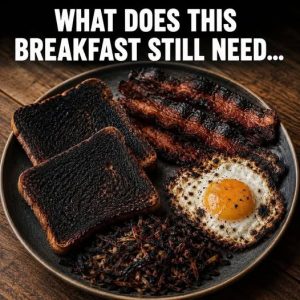
A classic morning plate—crispy bacon, fried eggs, hash browns, and toasted bread—is a staple in kitchens around the world. However, when breakfast ends up heavily charred or blackened, it raises an important question beyond culinary preference: how does overcooking food impact its flavor, nutritional value, and safety?
While a subtle crunch or light sear enhances flavor through natural browning reactions, heavy charring alters the chemical composition of foods, giving rise to potential health considerations.
The Science of Charring and High-Heat Cooking
When foods containing carbohydrates, proteins, or fats are exposed to extreme heat, distinct chemical reactions occur:
1. The Maillard Reaction vs. Pyrolysis
The Maillard Reaction occurs when amino acids and reducing sugars react under heat, creating appealing aromas and golden-brown colors. However, when temperatures rise too high or cooking lasts too long, pyrolysis takes over—decomposing organic compounds and leaving behind pure carbon, or char.
2. Formation of Chemical Byproducts
Cooking certain foods at high temperatures or until charred can lead to the formation of specific chemical compounds:
-
Acrylamide: Formed naturally in starchy foods—such as potatoes (hash browns) and bread (toast)—when baked, fried, or toasted at high temperatures.
-
Heterocyclic Amines (HCAs) and Polycyclic Aromatic Hydrocarbons (PAHs): Chemicals formed when muscle meats, like bacon, are cooked at high temperatures or exposed to open flames and smoke.
Overcooking Impact on Common Breakfast Foods
| Food Item | Ideal Preparation | Effects of Heavy Charring |
| Toast | Golden brown | High carbon content, bitter taste, elevated acrylamide levels |
| Bacon / Meats | Crispy, rendered fat | Formation of HCAs/PAHs, loss of healthy fats |
| Hash Browns | Crispy exterior, soft interior | Breakdown of starches into charred carbon, acrid flavor |
| Fried Eggs | Set whites, runny or soft yolk | Tough rubbery texture, oxidized cholesterol in overheated lipids |
Practical Tips for Safer, Better High-Heat Cooking
You can achieve great texture and rich flavor without burning your meal by following these kitchen practices:
-
Aim for Golden, Not Black: Toast bread and fry potatoes until they turn a light golden-yellow or light-brown color rather than dark brown or black.
-
Control the Heat: Cook bacon and hash browns over medium heat instead of high heat to allow even cooking without scorching the surface.
-
Scrape Away Char: If toast or meats become accidentally scorched, scrape off the blackened parts before eating to reduce carbon and chemical intake.
-
Marinate Meats Before Cooking: Using citrus, vinegar, or antioxidant-rich herbs (like rosemary or oregano) in marinades helps minimize the formation of high-heat chemical byproducts.
-
Use Oils with High Smoke Points: Cook with oils suitable for higher heat—such as avocado or refined olive oil—to avoid smoke buildup and toxic oil breakdown.
Fascinating Facts About Cooking and Heat
-
The Origin of Toasting: The word “toast” comes from the Latin torrere, meaning “to burn” or “to parch.”
-
Antioxidant Retention: Gently cooking or steaming vegetables often increases the bioavailability of certain nutrients, whereas heavy charring destroys heat-sensitive vitamins like Vitamin C and B-complex.
-
Bitter Receptors: Humans possess specialized taste buds designed to detect bitterness, an evolutionary adaptation evolved to warn us against consuming toxic or heavily charred material.
Health Insurance, Preventive Care, and Wellness Planning
Maintaining a balanced diet rich in minimally processed, properly prepared foods is a foundational pillar of daily wellness and long-term preventive health. Chronic exposure to heavily oxidized or charred compounds can contribute to digestive irritation and cellular oxidative stress over time.
Securing reliable health insurance ensures access to preventive screenings, nutritional counseling, and routine checkups with primary care physicians. Combining mindful cooking habits with comprehensive health coverage helps support lifelong vitality for you and your family.
Conclusion
So, what does a heavily charred breakfast still need? Aside from a fresh slice of unburnt bread and a lower stove setting, it needs a gentle balance of moderate cooking techniques! By prioritizing gentle browning over heavy charring, you can protect both the rich flavors of your food and your long-term health.
Frequently Asked Questions (FAQ)
Is burnt toast bad for your health?
Burnt toast contains higher levels of acrylamide and carbonized material. While eating it occasionally poses minimal risk, avoiding heavily blackened bread is recommended for optimal health.
What is the safest way to cook bacon?
Bacon is best cooked over medium heat in a pan or baked on a wire rack in the oven at 375°F (190°C) until crispy, avoiding direct open flame or excessive charring.
Why do charred foods taste bitter?
Charring burns the organic sugars, proteins, and fats in food, leaving behind pure carbon and bitter-tasting pyrolytic compounds that override natural food flavors.
