
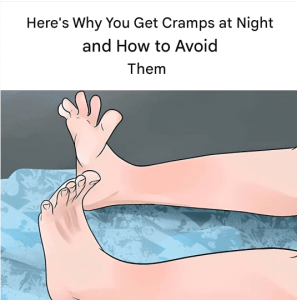
Nocturnal leg cramps—sudden, involuntary contractions of the calf, foot, or thigh muscles during sleep—are a common occurrence that affects millions of adults. These painful muscle spasms can last anywhere from a few seconds to several minutes, disrupting sleep quality and leaving behind lingering soreness.
Understanding the underlying causes of nighttime cramps helps you adopt effective relief techniques and practical habits to prevent them from recurring.
Causes of Nighttime Muscle Cramps
While nocturnal leg cramps can occur without an obvious trigger, medical researchers point to several primary contributing factors:
1. Muscle Fatigue and Overuse
Exerting leg muscles through intense physical activity or prolonged standing during the day can cause muscle fatigue, making motor neurons more prone to firing inappropriately during rest.
2. Dehydration and Electrolyte Imbalances
Minerals like potassium, magnesium, calcium, and sodium play vital roles in nerve impulse transmission and muscle contraction. Low fluid intake or mineral deficiencies disrupt muscle relaxation signaling.
3. Prolonged Inactivity and Sleeping Posture
Sleeping with feet pointed downward (plantar flexion) shortens the calf muscles for extended periods, making them more susceptible to sudden contraction during sleep.
Common Triggers and Prevention Strategies
| Trigger Category | Underlying Mechanism | Effective Prevention Strategy |
| Dehydration | Reduced fluid volume impairs nerve signaling | Drink adequate water throughout the day, especially before bed |
| Mineral Imbalance | Low magnesium or potassium disrupts relaxation | Eat nutrient-rich foods like bananas, spinach, nuts, and seeds |
| Shortened Muscles | Sleeping with toes pointed downward | Keep bed covers loose or stretch calves before sleeping |
| Physical Overexertion | Accumulated muscle fatigue and strain | Incorporate gentle cool-down stretches after heavy workouts |
Practical Tips to Relieve and Avoid Leg Cramps
Incorporate these evidence-based techniques into your evening routine to keep nighttime muscle spasms at bay:
-
Stretch Calves Before Bed: Perform a simple calf stretch against a wall or gently flex your foot upward (dorsiflexion) before getting into bed.
-
Apply Heat for Relief: If a cramp strikes, apply a warm heating pad or take a warm bath to relax tight muscle fibers.
-
Stay Consistently Hydrated: Keep a water bottle nearby and ensure steady hydration throughout the day rather than drinking large amounts all at once before sleep.
-
Choose Supportive Footwear: Wearing shoes with proper arch support during the day reduces strain on foot and calf muscles.
-
Dorsiflex Your Foot During a Cramp: When a spasm occurs, pull your toes back toward your shin to manually lengthen the contracting muscle.
Fascinating Facts About Muscle Contractions
-
Involuntary Spasms: Nocturnal cramps differ from Restless Legs Syndrome (RLS); cramps involve physical, hard muscle contractions, whereas RLS involves an urge to move without involuntary pain.
-
Age Factor: The frequency of nocturnal leg cramps tends to increase after age 50 due to natural changes in tendon elasticity and nerve function.
-
Magnesium Power: Magnesium plays a direct biochemical role in transporting calcium across cell membranes, enabling muscles to relax after contracting.
Healthcare, Health Insurance, and Wellness Planning
While occasional nighttime cramps are harmless, severe, persistent, or worsening cramps can indicate underlying vascular conditions, nerve compression, or metabolic disorders that require clinical evaluation.
Having quality health insurance coverage ensures affordable access to primary care physicians, physical therapy, and diagnostic blood panels. Combining proactive self-care with routine healthcare planning helps safeguard your mobility and long-term sleep health.
Conclusion
Nocturnal leg cramps can disrupt a good night’s rest, but simple habits like evening stretching, proper hydration, and electrolyte balance can significantly reduce their frequency. Listening to your body allows you to wake up refreshed and pain-free.
Frequently Asked Questions (FAQ)
What should I do immediately when a leg cramp starts?
Gently flex your foot upward toward your shin (dorsiflexion), stand up to put weight on the leg, or massage the tight muscle until it releases.
Can magnesium supplements stop leg cramps?
Magnesium supplementation may help reduce cramps if you have an underlying mineral deficiency, though it is best to check with a doctor before starting supplements.
Are nocturnal leg cramps a sign of a blood clot?
Generally, no. Leg cramps cause acute, short-lived spasms. However, continuous pain, swelling, redness, or warmth in the calf requires urgent medical attention to rule out deep vein thrombosis (DVT).
