
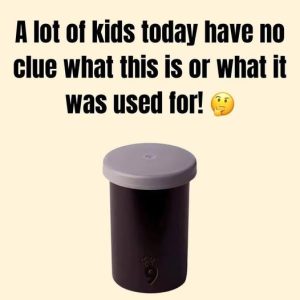
Before digital cameras and smartphones transformed personal photography, capturing memories meant using rolls of 35mm film. These delicate rolls of light-sensitive film were packaged inside small, cylindrical plastic containers known as film canisters. Featuring a snap-on lid, usually in classic combinations like black-and-gray or translucent white, these containers were a staple in nearly every home during the 20th century.
Understanding the design, history, and clever secondary uses for 35mm film canisters offers a fun journey into retro technology and household ingenuity.
The Original Purpose of the 35mm Film Canister
The primary purpose of a film canister was environmental protection:
1. Protection from Light and Moisture
Photographic film is extremely sensitive to ambient light before and after exposure. Canisters provided a light-tight seal that prevented accidental exposure to sunlight, which would ruin latent images on the film reel.
2. Safeguarding Against Dust and Physical Damage
The opaque, plastic walls shielded delicate film emulsions from dust particles, moisture, sand, and crushing while stored in pockets or travel bags.
Common Household Uses for Old Film Canisters
Because film canisters were durable, air-tight, water-resistant, and free with every roll of film, households found endless clever ways to reuse them:
| Everyday Use Case | Why It Worked So Well | Common Setting |
| Loose Change Holder | Perfectly sized to hold quarters for laundry or parking meters | Glove boxes, purses, and desks |
| Travel Pill Case | Air-tight and moisture-proof seal kept medication dry | Travel kits and backpacks |
| Sewing Kit Container | Stored needles, safety pins, and small thread spools neatly | Suitcases and emergency kits |
| Science Class Experiments | Creating “Film Canister Rockets” using water and effervescent tablets | Elementary school science labs |
Practical DIY Hacks and Upcycling Ideas
If you still have vintage film canisters lying around, here are practical ways to repurpose them:
-
Craft Item Organization: Use labeled canisters to store small craft supplies like beads, sequins, buttons, and safety pins.
-
Seed Storage for Gardening: Store heirloom seeds in a cool, dark place inside moisture-sealed canisters between planting seasons.
-
Mini First Aid Storage: Pack specialized items like alcohol wipes, band-aids, or cotton swabs for compact travel kits.
-
Hardware Sorting: Keep tiny screws, washers, picture-hanging hooks, and drill bits organized in your toolbox.
-
Portable Salt and Pepper Shakers: Poke tiny holes in the snap-on lid to make durable seasoning shakers for camping trips.
Fascinating Facts About Film Photography
-
Kodak Standards: The standard 35mm film format (135 format) was introduced by Kodak in 1934 and quickly became the world’s most popular film format.
-
Famous Pop-Rockets: Mixing water and an Alka-Seltzer tablet inside a film canister builds up carbon dioxide gas pressure, sending the lid shooting feet into the air—a classic STEM activity!
-
Analogue Resurgence: Despite digital dominance, film photography has seen a significant resurgence among younger artists and hobbyists who appreciate the tactile process and unique grain aesthetics.
Financial Planning, Household Budgeting, and Sustainability
Upcycling household items like plastic containers is a simple, effective example of sustainable living that helps stretch everyday household budgets. Finding second uses for materials reduces consumer waste and saves money on specialized organizers.
Combining daily resourcefulness with smart financial habits, savings strategies, and long-term budgeting ensures household efficiency and financial security.
Conclusion
The 35mm film canister is a classic icon of retro technology. While digital sensors have mostly replaced roll film, these simple plastic containers remain a fond memory and a practical tool for organization and DIY projects.
Frequently Asked Questions (FAQ)
What were 35mm film canisters made of?
Most film canisters were made of durable high-density polyethylene (HDPE) or polypropylene plastic with flexible polyethylene caps.
Are film canisters completely waterproof?
While highly water-resistant and airtight against ambient moisture, they are not guaranteed to stay waterproof if fully submerged under high pressure.
Can you still buy 35mm film today?
Yes! Major brands like Kodak and Fujifilm, along with boutique film manufacturers, still produce 35mm camera film for enthusiasts and modern film photographers.
