
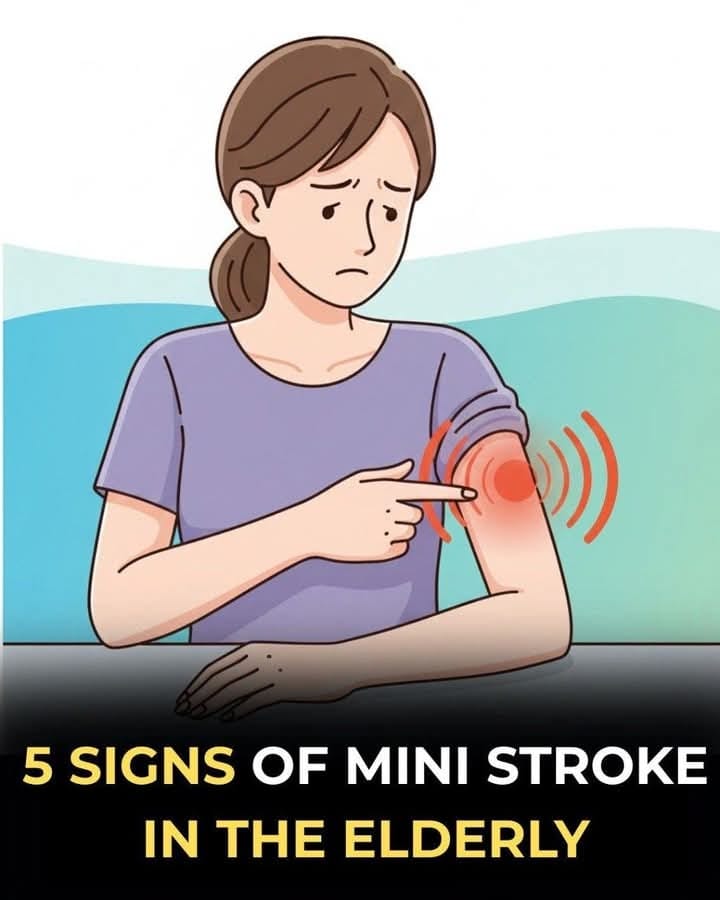
A mini-stroke, medically known as a Transient Ischemic Attack (TIA), occurs when blood flow to a part of the brain is temporarily blocked. While symptoms of a TIA typically resolve within a few minutes to hours without causing permanent brain damage, a mini-stroke is a major warning sign. Up to 1 in 3 people who experience a TIA go on to have a full, major stroke within a year if left untreated.
Recognizing early warning signs—especially in older adults—allows families and caregivers to seek emergency medical care immediately to prevent a life-threatening event.
What Happens During a Transient Ischemic Attack (TIA)?
A TIA is caused by a temporary clot or narrowing in an artery supplying blood to the brain. Although the blockage dissolves or dislodges quickly on its own, it starves brain tissues of vital oxygen, producing sudden neurological deficits.
1. Temporary Nature Is Misleading
Because mini-stroke symptoms fade quickly, many elderly individuals and caregivers brush them off as minor fatigue, weakness, or age-related clumsiness.
2. High Risk of Subsequent Major Stroke
The highest risk for a severe ischemic stroke occurs in the days and weeks immediately following a TIA. Urgent medical evaluation is required even if symptoms disappear entirely.
5 Common Signs of a Mini-Stroke in Older Adults
Understanding the classic symptoms helps caregivers react quickly when every minute counts:
| Warning Symptom | How It Presents in Seniors | Immediate Action |
| 1. Sudden Numbness or Weakness |
Sudden loss of strength or sensation, usually on one side of the face, arm, or leg |
Ask the person to raise both arms to check if one drifts downward |
| 2. Facial Drooping or Asymmetry |
One side of the mouth or eye droops when trying to smile |
Ask the person to smile or show their teeth |
| 3. Speech and Language Difficulty |
Slurred speech, trouble finding words, or difficulty understanding simple sentences |
Ask the person to repeat a simple phrase |
| 4. Sudden Vision Changes |
Blurrieness, double vision, or sudden loss of vision in one or both eyes |
Have them cover one eye at a time to check visual clarity |
| 5. Loss of Balance or Sudden Dizziness |
Unexplained clumsiness, difficulty walking, loss of coordination, or severe sudden dizziness |
Assist them into a safe seated position to prevent falls |
Remembering the F.A.S.T. Acronym
When assessing potential stroke symptoms, remember the simple medical acronym F.A.S.T.:
-
F – Face: Is one side of the face drooping or numb?
-
A – Arms: Is one arm weak or numb when raised?
-
S – Speech: Is speech slurred or strange?
-
T – Time: If you observe any of these signs, call emergency medical services immediately (e.g., 911).
Practical Steps to Prevent Stroke and Mini-Stroke
Lowering stroke risk involves proactive cardiovascular health management:
-
Manage Blood Pressure: Keep hypertension in check through prescribed medications, low-sodium diets, and regular monitoring.
-
Control Blood Sugar: Maintain healthy blood glucose levels if living with diabetes to protect blood vessels.
-
Adopt a Heart-Healthy Diet: Focus on high-fiber foods, whole grains, lean proteins, and omega-3 fatty acids while limiting saturated fats.
-
Stay Physically Active: Engage in regular, doctor-approved low-impact exercises like walking or swimming.
-
Avoid Smoking and Limit Alcohol: Smoking accelerates arterial plaque build-up and increases clot formation risks.
Fascinating Facts About Brain Health
-
Rapid Blood Flow: The human brain receives about 15% to 20% of the body’s total blood supply despite making up only 2% of total body weight.
-
Millions of Neurons Saved: During an acute stroke, approximately 1.9 million brain neurons die every minute treatment is delayed, making rapid medical response vital.
-
Transient Duration: Most TIA symptoms last less than 1 to 2 hours, though microscopic vascular changes may remain detectable on specialized MRI scans.
Health Insurance, Senior Care, and Preventive Screenings
A TIA diagnosis requires immediate emergency department evaluation, diagnostic neuroimaging (CT or MRI scans), and specialized cardiovascular testing.
Having reliable health insurance coverage, such as Medicare or supplemental senior healthcare plans, ensures seamless access to emergency transport, specialized neurology care, and preventive medications like blood thinners. Comprehensive healthcare planning protects both senior wellness and family financial stability during medical emergencies.
Conclusion
A mini-stroke is never something to ignore. Even if symptoms fade completely in minutes, recognizing the 5 main warning signs and seeking immediate emergency medical evaluation can prevent a disabling major stroke and save lives.
Frequently Asked Questions (FAQ)
Is a mini-stroke the same as a full stroke?
A mini-stroke (TIA) causes temporary blockages without permanent brain tissue damage, whereas a full stroke results in permanent cellular damage due to prolonged blood flow deprivation.
How quickly should someone go to the hospital after a TIA?
Immediately! Call 911 right away, even if symptoms go away before emergency responders arrive.
What tests are performed to diagnose a mini-stroke?
Doctors typically perform brain scans (CT or MRI), carotid artery ultrasound, electrocardiograms (ECG), and routine blood panels to locate the source of the blockage.
