
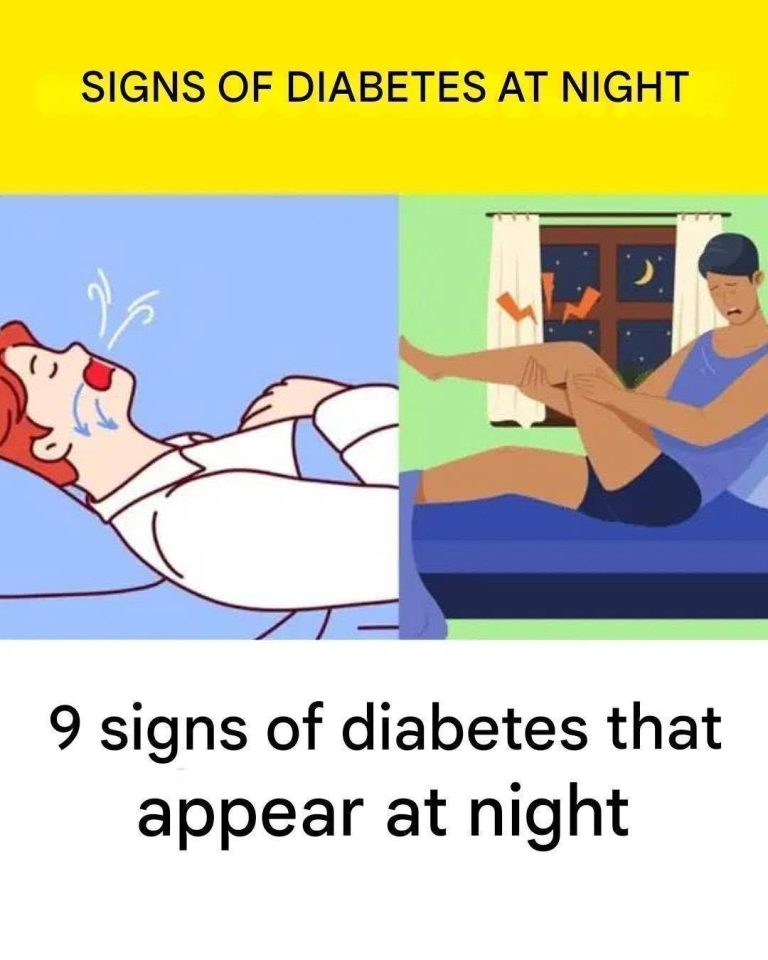
Diabetes is a chronic metabolic condition characterized by high blood glucose (sugar) levels in the bloodstream. While many symptoms present during daily activities, several distinct warning signs manifest or worsen specifically during sleep hours.
Recognizing nocturnal symptoms of diabetes allows individuals and caregivers to seek timely medical screening, prevent complications, and maintain health management.
Why Diabetes Symptoms Worsen at Night
High blood sugar levels put continuous strain on the kidneys, nerve endings, and cardiovascular system. At night, prolonged periods without fluid intake and changes in metabolism during sleep make blood sugar spikes or dips more noticeable.
1. Kidney Filtration and Excess Glucose
When blood glucose exceeds normal thresholds, the kidneys work overtime to filter and excrete excess sugar through urine, leading to fluid loss and night waking.
2. Neuropathy and Sensory Changes
Peripheral nerve damage (diabetic neuropathy) often causes heightened burning, tingling, or pain sensations in the feet and legs when resting quietly in bed.
9 Nighttime Signs of Diabetes
Understanding common nighttime indicators helps in spotting early signs of blood sugar dysregulation:
| Nighttime Symptom | Underlying Cause | Description |
| 1. Frequent Nighttime Urination (Nocturia) | Excess glucose excretion | Waking up multiple times throughout the night needing to empty the bladder |
| 2. Extreme Night Thirst (Polydipsia) | Dehydration from frequent urination | Waking up with a dry mouth and an urgent need to drink water |
| 3. Restless Legs Syndrome / Leg Cramps | Poor circulation and nerve irritation | Involuntary leg twitches, aching, or sudden painful muscle cramps in calves/feet |
| 4. Night Sweats or Chills | Hypoglycemia (Low blood sugar) | Waking up drenched in sweat due to sudden drops in blood sugar levels overnight |
| 5. Insomnia or Fragmented Sleep | Blood sugar fluctuations and discomfort | Difficulty falling or staying asleep due to pain, thirst, or frequent bathroom trips |
| 6. Sleep Apnea and Heavy Snoring | High correlation with Type 2 diabetes | Intermittent breathing pauses, loud snoring, and gasping for air during sleep |
| 7. Tingling, Numbness, or Burning Feet | Diabetic peripheral neuropathy | Pins-and-needles or burning sensations in toes and soles when lying still |
| 8. Severe Nighttime Hunger (Polyphagia) | Impaired cellular glucose uptake | Waking up craving carbohydrates or sugary snacks despite eating dinner |
| 9. Morning Fatigue Despite Sleep | Ineffective glucose processing | Feeling unrefreshed, groggy, or exhausted upon waking in the morning |
Practical Steps to Manage Overnight Blood Sugar
Maintaining balanced blood glucose levels before bedtime supports rest and metabolic stability:
-
Monitor Evening Blood Sugar: Check blood glucose levels before going to bed to prevent overnight hypoglycemia or severe hyperglycemia.
-
Eat a Balanced Evening Snack: Consume a protein-rich or high-fiber snack (such as a handful of almonds or peanut butter on whole wheat) before sleep to stabilize glucose levels.
-
Limit Nighttime Fluids Near Bedtime: Hydrate adequately throughout the day, but taper fluid intake 1–2 hours before sleep to reduce nocturia trips.
-
Practice Good Sleep Hygiene: Maintain a consistent sleep schedule, keep the bedroom cool and dark, and avoid screens before bed.
-
Report Symptoms to a Physician: Schedule routine HbA1c blood tests if experiencing persistent nighttime symptoms.
Fascinating Facts About Blood Sugar and Sleep
-
The Dawn Phenomenon: Naturally occurring hormonal surges (cortisol and growth hormone) between 3:00 AM and 8:00 AM cause a routine rise in blood sugar for many individuals.
-
The Somogyi Effect: Overnight low blood sugar (hypoglycemia) can trigger a rebound release of stress hormones, causing surprisingly high blood sugar readings upon waking.
-
Two-Way Relationship: Poor sleep quality alters insulin sensitivity, creating a cycle where high blood sugar disrupts sleep, and poor sleep impairs glucose management.
Healthcare, Insurance, and Preventive Screenings
A timely diagnosis of diabetes or prediabetes is essential for preventing long-term cardiovascular, renal, and neurological complications.
Having health insurance coverage facilitates access to routine blood work (HbA1c tests), diabetes education, glucometers, and preventive medications. Comprehensive health planning supports metabolic wellness and long-term security.
Conclusion
Nighttime signs like frequent urination, extreme thirst, leg cramps, and night sweats are clear indicators that blood sugar levels need evaluation. Recognizing these early signs and consulting a healthcare professional ensures proactive management and better long-term health.
Frequently Asked Questions (FAQ)
What is a normal bedtime blood sugar level?
For most non-pregnant adults with diabetes, target bedtime blood sugar levels typically range between 100 to 140 mg/dL, though personal target ranges should be confirmed with a physician.
Why does low blood sugar cause night sweats?
When blood sugar drops dangerously low during sleep, the body releases adrenaline to trigger glucose release from the liver, causing rapid sweating, shaking, and heart palpitations.
How is diabetes officially diagnosed?
Doctors diagnose prediabetes and diabetes using standard blood tests, including fasting plasma glucose tests, oral glucose tolerance tests, and Hemoglobin A1c (HbA1c) tests.
