
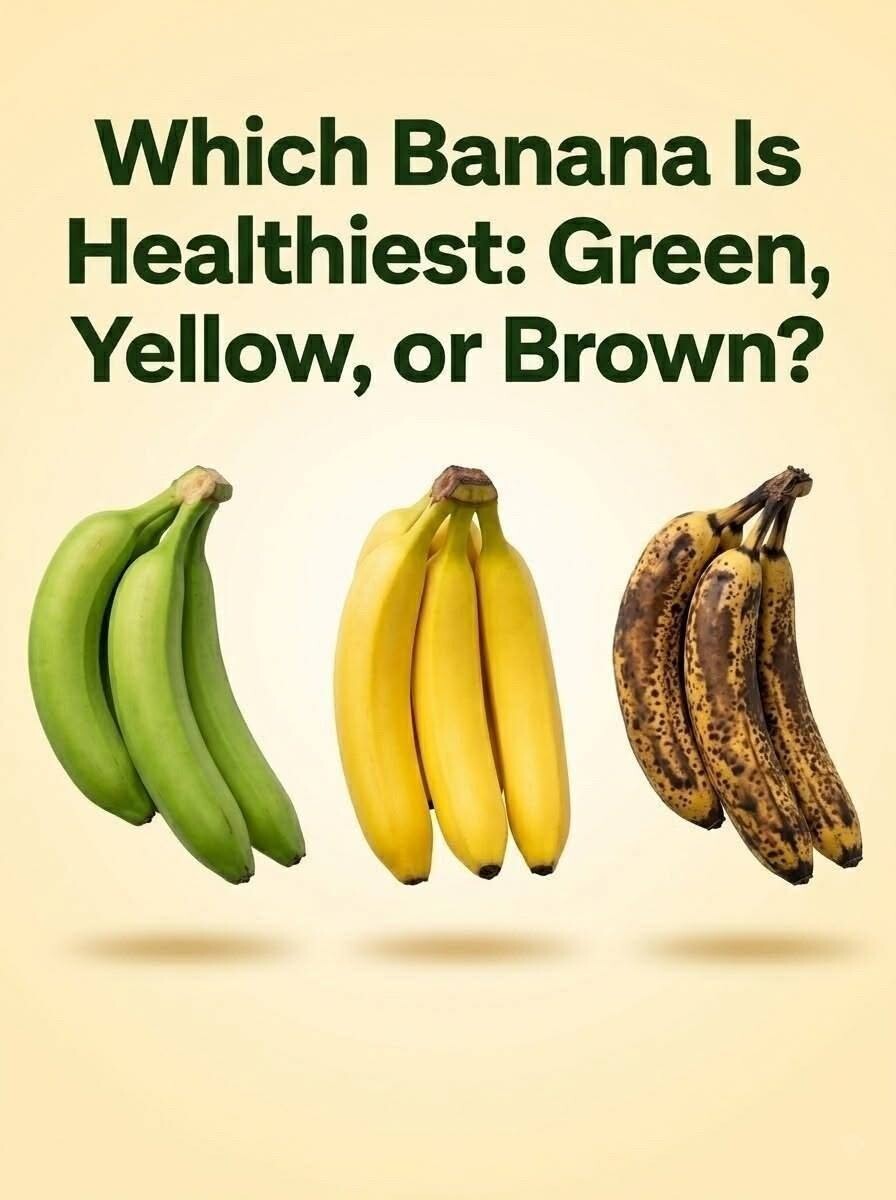
Bananas are one of the most popular, convenient, and nutrient-dense fruits on the planet. Packed with essential minerals like potassium, magnesium, and vitamin B6, they serve as a go-to snack for athletes, busy professionals, and families alike. However, if you have ever stood in your kitchen watching a bunch of bananas transition from firm bright green to vivid yellow and eventually to speckled brown, you might have wondered: how does ripening actually affect their health benefits?
The truth is that as a banana ripens, its biochemical composition changes dramatically. The starch-to-sugar ratio shifts, antioxidant levels peak, and digestive digestibility transforms. In this ultimate nutritional guide, we will break down the health profile of green, yellow, and brown bananas so you can choose the exact stage of ripeness that best matches your personal health, fitness, and diet goals.
The Science of Ripening: How Bananas Change Over Time
When bananas are harvested, they are packed with complex starches. As the fruit produces natural ethylene gas during the ripening process, enzymatic reactions convert those long-chain starch molecules into simple, easy-to-digest sugars like glucose, fructose, and sucrose.
The Starch-to-Sugar Shift
-
Unripe (Green) Stage: Composed of up to 70% to 80% complex starch, a large portion of which is resistant starch and dietary fiber.
-
Ripe (Yellow) Stage: The starch content drops dramatically to under 10%, while free sugar content rises significantly.
-
Overripe (Brown) Stage: Complex starch falls below 1%, leaving behind high concentrations of simple sugars and easily accessible antioxidants.
Because of this profound transition, there is no single “healthiest” banana for everyone—the best choice depends entirely on your specific digestive needs, blood sugar targets, and activity levels.
Stage 1: The Green (Unripe) Banana – Best for Gut Health and Blood Sugar Control
Unripe green bananas may be firm and slightly tart, but they offer exceptional benefits for metabolic and digestive wellness.
| Nutritional Feature | Key Health Impact |
| High Resistant Starch | Acts as a prebiotic fiber to feed beneficial gut bacteria |
| Low Glycemic Index (GI) | Prevents rapid spikes in blood glucose levels |
| Increased Satiety | Keeps you feeling full for longer periods |
| Lower Free Sugar | Ideal for low-sugar or low-carbohydrate eating plans |
Benefits of Resistant Starch
Resistant starch behaves similarly to soluble dietary fiber. It resists digestion in the stomach and small intestine, traveling down to the large intestine where beneficial gut microbes ferment it into short-chain fatty acids like butyrate. Butyrate plays a vital role in supporting colon health, reducing internal gut inflammation, and enhancing overall metabolic function. For individuals managing type 2 diabetes or insulin resistance, green bananas offer steady, sustained energy without dramatic blood sugar spikes.
Stage 2: The Yellow (Ripe) Banana – Best for Quick Energy and Daily Nutrition
Bright yellow, fully ripe bananas represent the perfect balance of taste, texture, and nutritional accessibility.
High Antioxidants and Easy Digestibility
As bananas turn yellow, the conversion of starch to natural sugars makes them vastly easier on the stomach. The digestive system processes a yellow banana with minimal effort, making it an ideal pre-workout snack for runners, weightlifters, and endurance athletes who need rapid glycogen replenishment.
Furthermore, as the green chlorophyll degrades, antioxidant levels—including vitamin C, dopamine, and carotenoids—increase significantly. Yellow bananas provide an immediate boost of accessible energy alongside potassium to support proper muscle contraction and fluid balance.
Stage 3: The Brown-Spotted (Overripe) Banana – Best for Antioxidants and Easy Digestion
When bananas develop dark brown flecks or turn deep brown, many consumers mistakenly assume they have gone bad and toss them out. However, overripe bananas boast unique nutritional advantages of their own!
+-------------------------------------------------------------------+
|                        NUTRITIONAL FACT                           |
| Brown-spotted bananas contain maximum concentrations of active    |
| antioxidants and easily absorbable simple carbohydrates!          |
+-------------------------------------------------------------------+
Elevated Antioxidant Levels
Research indicates that as a banana reaches its fully ripe, brown-spotted state, its overall antioxidant capacity reaches its peak. Polyphenols and antioxidant compounds become more bioavailable as cellular walls break down.
Gentle on Delicate Stomachs
Because virtually all complex starches have broken down into simple sugars, brown bananas require almost zero digestive effort. They are extremely gentle on sensitive gastrointestinal tracts, making them ideal for people recovering from stomach upset or intense physical fatigue. Furthermore, their intense natural sweetness makes them perfect for healthy baking without adding refined white sugar.
Comparison Guide: Which Banana Fits Your Health Goals?
Use this quick guide to choose the right banana for your lifestyle demands:
| Health Priority | Ideal Banana Stage | Why It Works |
| Managing Diabetes / Blood Sugar | Green / Slightly Green | High resistant starch slows sugar absorption |
| Pre-Workout Athletic Fuel | All-Yellow | Rapid, easily accessible carbohydrate energy |
| Gut Microbiome Support | Unripe Green | Prebiotic fiber nourishes healthy gut bacteria |
| Post-Workout Recovery | Yellow with Brown Spots | Fast glycogen replenishment + potassium |
| Healthy Sugar-Free Baking | Deep Brown / Overripe | Natural fructose eliminates need for added sugar |
Financial, Medical, and Lifestyle Considerations
Incorporating nutrient-dense whole foods like bananas into your daily routine offers far-reaching advantages for health and financial well-being:
-
Lowering Long-Term Medical Costs: Consuming daily sources of potassium and dietary fiber supports blood pressure regulation and digestive health. Proactive nutrition helps lower long-term risk for cardiovascular conditions, reducing personal health and medical expenses over a lifetime.
-
Smart Grocery Budgeting: Bananas are one of the most affordable fruits per pound available in grocery stores. Maximizing their full lifecycle—eating green ones early, yellow ones mid-week, and baking with brown ones—eliminates food waste and keeps grocery costs low, leaving extra money for long-term investment, retirement, or education funds.
-
Insurance and Preventive Care: Embracing low-glycemic, high-fiber eating habits supports healthy metabolic markers, aligning with preventive care guidelines emphasized by major health insurance providers.
Fascinating Facts About Bananas
-
Botanically a Berry: In botanical terms, a banana is actually classified as a berry because it comes from a single ovary and has a soft outer skin and fleshy middle!
-
Naturally Radioactive: Bananas naturally contain small amounts of the isotope Potassium-40, making them very mildly radioactive—though you would need to eat millions in a single sitting for it to have any effect!
-
The Cavendish Dominance: Almost all bananas exported to North America and Europe belong to a single cultivar known as the Cavendish, which replaced the sweeter Gros Michel variety after fungal disease devastated crops in the mid-20th century.
Conclusion
Every stage of a banana’s lifecycle offers distinct nutritional perks. Green bananas act as gut-healing powerhouses with high prebiotic fiber and low sugar impact; yellow bananas deliver balanced daily energy and rich vitamins; and brown bananas provide peak antioxidant power and easy digestion. By understanding how ripening changes the fruit, you can tailor your banana consumption to perfectly match your health needs!
Frequently Asked Questions (FAQ)
Do green bananas cause constipation?
For some individuals, eating raw green bananas in large quantities can cause temporary gas, bloating, or constipation due to the high concentration of firm resistant starch. Drinking plenty of water helps your digestive tract handle prebiotic fiber smoothly.
Does the calorie count change as a banana ripens?
No. The total calorie count remains almost identical whether a banana is green, yellow, or brown. What changes is the type of carbohydrate—shifting from complex resistant starch in green bananas to simple sugars in brown ones.
Can people with diabetes eat bananas?
Yes! Individuals with diabetes can safely enjoy bananas. Choosing slightly green or firm yellow bananas, pairing them with healthy fats or proteins (such as peanut butter or Greek yogurt), and monitoring portion size helps maintain stable blood sugar levels.
How can I slow down or speed up the ripening process?
To slow down ripening, separate bananas from the bunch and store them in the refrigerator (the peel will darken, but the inside remains firm). To speed up ripening, place bananas inside a brown paper bag with an apple or avocado to trap natural ethylene gas.
Are brown bananas safe to eat?
Yes, brown bananas with speckled skins are perfectly safe, highly sweet, and nutritious. However, if a banana shows signs of mold, leaks liquid, or has a sour, fermented smell, it should be discarded.
