
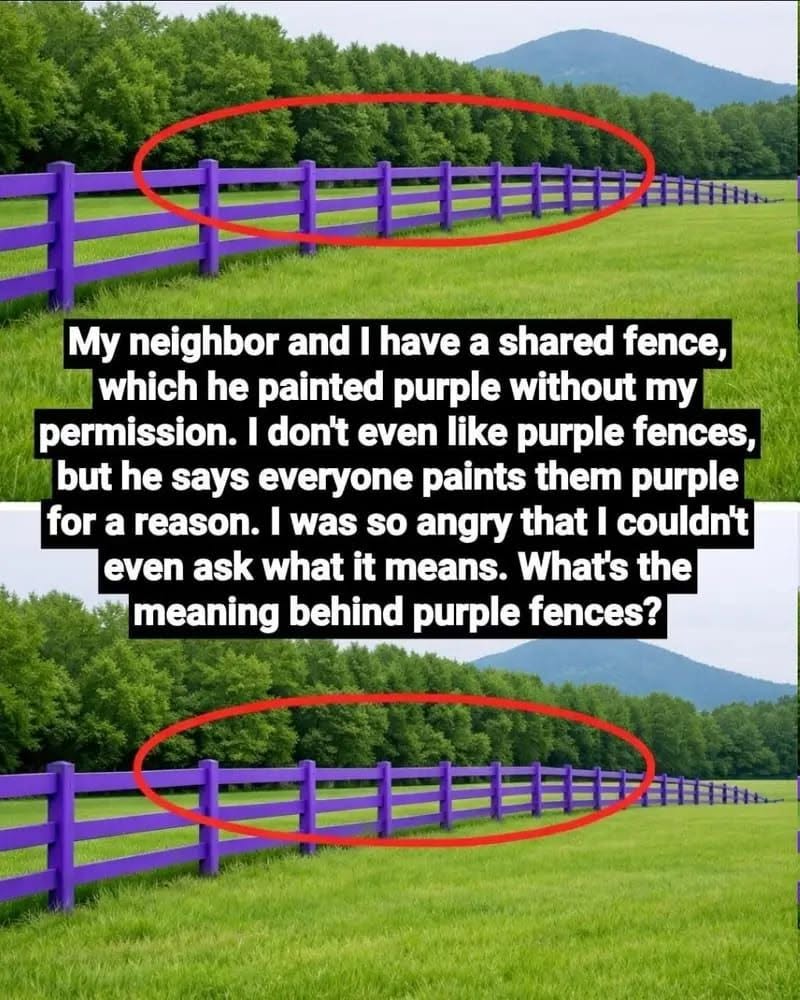
What Does a Purple Fence Mean? The Secret Meaning Behind Property MarkingsIf you have ever taken a drive through rural country roads, agricultural areas, or wooded suburban borders, you may have noticed property posts or wooden fences painted a distinct, vivid shade of purple. While it might look like a bold aesthetic choice or an eccentric DIY home improvement project, purple paint on a fence carries a serious, legally binding warning. Known across many regions as the “Purple Paint Law,” this colorful boundary marking serves a vital purpose for landowners, hunters, and local law enforcement alike. Understanding local property laws, boundary line markings, and trespass regulations protects both property owners and outdoor enthusiasts from legal disputes. In this comprehensive real estate and legal guide, we explore the exact meaning behind purple fences, how the Purple Paint Law works across various states, the advantages of using paint over traditional posted signs, and essential advice for resolving neighbor property disputes. The Legal Meaning of Purple Fence PaintIn over 20 states across the United States, purple paint applied to posts, trees, or fence rails serves as a legally recognized “No Trespassing” sign. When a landowner paints fence posts or tree trunks purple along their land boundary, it marks private property and gives formal legal notice that unauthorized entry, hunting, fishing, trapping, or trespassing is strictly prohibited. Under state statutes, crossing a purple painted boundary carries the exact same legal penalties as ignoring a traditional metal or plastic “No Trespassing” sign. Why Purple Was Chosen as the National Standard ColorHigh Visibility in Nature: Bright purple stands out clearly against natural woodland colors like brown bark, green leaves, gray stone, and winter snow.Colorblind Accessibility: Purple was selected because it remains easily distinguishable for individuals affected by red-green colorblindness.Weather Resistance and Durability: Specialized exterior purple paint holds up against intense sunlight, heavy rainfall, and harsh weather far better than printed paper or plastic signs.The Purple Paint Law: History and Benefits for LandownersThe legal concept originated in Arkansas in 1989 as a practical alternative to physical trespassing signs. Over the past several decades, state after state passed similar legislation, including Texas, Florida, Missouri, North Carolina, Pennsylvania, and Illinois.Landowners widely favor purple paint markings over traditional posted signs due to several distinct practical advantages.Key Advantages of Marking Boundaries with Purple PaintVandal-Proof and Theft-Resistant: Metal and plastic “No Trespassing” signs are frequently stolen, shot at, torn down by weather, or damaged by wildlife. Paint cannot be easily ripped off or stolen.Cost-Effective Long-Term Solution: Purchasing a single bucket of durable, exterior-grade purple fence paint is vastly cheaper than buying dozens of aluminum boundary signs to cover large rural acreage.Low Maintenance: Once applied correctly according to state code dimensions, high-quality purple paint can last over a decade without requiring frequent maintenance or re-application.Legal Requirements: How Landowners Must Apply Purple MarkingsTo carry full legal authority as an official “No Trespassing” warning, landowners must apply purple paint according to specific statutory guidelines outlined in local state codes.While regulations vary slightly by state, general statutory requirements typically mandate:1. Vertical Stripe DimensionsThe paint mark must consist of a vertical line at least 8 inches long and 1 inch wide.2. Height Above Ground LevelThe bottom of each purple mark must sit between 3 feet and 5 feet above ground level, making it clearly visible at eye height for pedestrians, hunters, and vehicle drivers.3. Spacing Along Boundary LinesPurple marks must be placed no more than 100 feet apart in wooded areas, or 1,000 feet apart in open pastures and field borders, ensuring that anyone approaching the property boundary can clearly see at least one warning mark.Navigating Shared Fences and Neighbor Property DisputesWhile painting a fence purple serves a practical legal purpose, issues arise when a fence is shared along a property line between two neighboring landowners. If a neighbor paints a shared fence purple without mutual consent, it can spark emotional frustration and legal uncertainty. How to Handle Shared Fence Boundary ConflictsDetermine Property Line Ownership: Review property surveys or hire a licensed surveyor to determine whether the fence sits directly on the boundary line or entirely within one neighbor’s legal parcel.Review Local Shared Fence Statutes: Many municipal codes specify that boundary fences are co-owned, requiring both property owners to agree on structural modifications, maintenance expenses, and paint colors. Maintain Open Communication: Discuss boundary security concerns calmly with your neighbor. In many cases, landowners paint fences purple simply to prevent unauthorized trespassing from outside hunters or motorized vehicles, without intending to offend adjacent neighbors. Consult a Real Estate Attorney: If property disputes escalate regarding shared boundaries or unauthorized modifications, seek legal counsel to review local property rights, boundary line agreements, and easement insurance protections.Frequently Asked Questions (FAQ)What states recognize the Purple Paint Law?Over 20 states enforce purple paint laws, including Texas, Arkansas, Missouri, Florida, Illinois, Indiana, Kansas, North Carolina, Pennsylvania, Tennessee, and Virginia. Always check your specific state’s environmental or natural resources statutes for local details.Does a purple fence mean you cannot enter at all?Yes. A purple-painted fence or boundary line carries the exact same legal weight as a “No Trespassing” sign. Entering the property without explicit permission from the owner is illegal and subject to criminal trespassing citations. Can a neighbor paint a shared fence without permission?In most jurisdictions, a fence located directly on a property line is considered shared property. Major alterations or color changes usually require mutual consent, unless local municipal laws state otherwise.
