
What Is This Vintage Metal Tool? The History and Uses of Antique Kitchen Gadgets
Unearthing mysterious, antique tools in attic boxes, flea markets, or estate sales often leaves people scratching their heads. Before modern electric appliances and plastic kitchenware took over, homes relied on cleverly engineered mechanical tools designed for specialized, single-purpose tasks. Among these fascinating historical relics is a vintage metal chute tool equipped with a spring-loaded wire mechanism—a classic invention designed to make specific food prep or household tasks effortless.
Understanding the history, design, and practical functionality of vintage tools not only solves fun historical mysteries but also highlights the ingenuity of early kitchen manufacturing. In this detailed antique history and home guide, we explore what this unusual metal device is used for, how vintage kitchen gadgets simplified daily life, essential care tips for collecting antique metalware, and why classic kitchen designs are making a major comeback.
Identifying the Vintage Metal Chute and Wire Tool
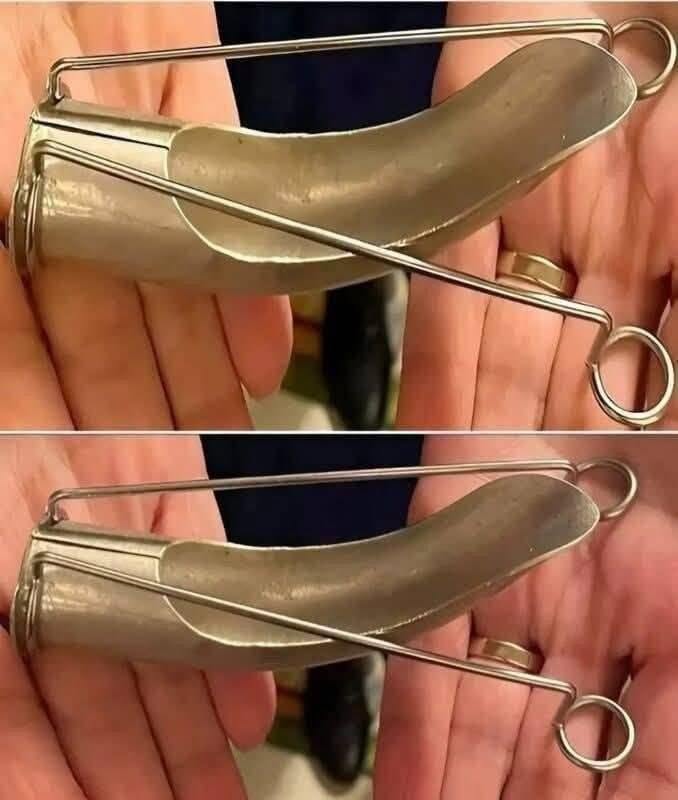
This unique metal object features a curved metal trough or chute paired with a spring-action wire frame ending in a finger ring loop.
While many mistake it for a vintage pea sheller, cherry pitter, or olive stoner, this specific style of tool was engineered as a vintage fruit pitter/corer or pea and bean gadget designed to guide and hold small rounded foods securely while removing seeds, pits, or pods cleanly into a container without crushing delicate produce.
Key Design Features of Vintage Metal Kitchenware
Curved Metal Chute: Serves as a smooth, angled trough to align fruits or vegetables precisely under the wire mechanism.
Spring-Loaded Wire Lever: Provides tactile leverage, allowing the user to press or slice through produce repeatedly using one hand.
Durable Alloy Construction: Crafted from stainless steel, nickel-plated brass, or aluminum to withstand moisture and frequent daily use.
The Evolution of Everyday Kitchen Gadgets
During the late 19th and early 20th centuries, patent offices were flooded with applications for specialized culinary gadgets. As home cooking became more refined and home canning became essential for food preservation, inventors sought to reduce manual labor.
Before modern automated processing, prepping bushels of fresh garden harvests meant hours of repetitive manual work. Tools like pitted fruit seeders, apple corers, green bean slicers, and handheld shellers revolutionized home food prep, allowing families to process fresh garden produce in a fraction of the time.
Why Vintage Kitchen Tools Were Built to Last
Solid Metal Craftsmanship: Unlike lightweight modern plastic tools that break under pressure, vintage gadgets were forged from heavy-gauge metals intended to last for generations.
Simple Mechanical Designs: Operating without electricity, gears, or complex motors, these mechanical tools relied on fundamental physics like levers and spring tension, making them virtually indestructible.
Ergonomic Functionality: Designed for long hours of food preservation work, the handles and finger loops were shaped to fit comfortably in hand and reduce wrist fatigue.
Restoring and Caring for Antique Metal Kitchenware
For collectors, antique enthusiasts, or home cooks who love using vintage tools, proper cleaning and maintenance preserve both value and functionality.
1. Removing Rust and Tarnish
If a metal tool has accumulated surface rust or tarnish over decades of storage, soak it in a mixture of equal parts white vinegar and warm water for 30 minutes. Scrub gently with a soft-bristle brush or fine steel wool, then dry completely immediately to prevent new rust spots.
2. Seasoning and Lubricating Moving Parts
Apply a food-safe mineral oil or vegetable-based oil to spring joints, wire hinges, and moving metal components. This prevents stiffness, protects against air oxidation, and ensures smooth spring movement.
3. Safe Food-Contact Guidelines
Before using any antique metal tool for actual food preparation, ensure it is free from lead-based solder or flaking plating. Nickel-plated brass and solid stainless steel gadgets are generally safe once thoroughly sanitized in hot soapy water.
The Resurgence of Manual Kitchen Tools in Modern Homes
In an era dominated by electric counter appliances, many home chefs are rediscovering the joy and simplicity of manual kitchen tools. Non-electric gadgets do not consume power, occupy minimal drawer space, and allow for precise tactile control during meal preparation.
Additionally, collecting and restoring vintage kitchenware serves as a rewarding hobby, connecting modern home cooks with culinary history and time-tested home traditions.
Frequently Asked Questions (FAQ)
How can you tell if a vintage metal tool contains lead?
Check for dull, soft grey solder joints along seam lines. You can also purchase rapid lead test swabs at home improvement stores to wipe the tool surface before using it with food.
Are vintage manual kitchen gadgets better than modern ones?
In terms of durability, yes! Vintage metal gadgets were built with solid metal construction that outlasts cheap modern plastic tools, though modern tools often focus on dishwasher compatibility.
Where can you find authentic vintage kitchen tools?
Estate sales, rural antique shops, flea markets, and online auction platforms are excellent places to discover unique historical kitchen devices and antique gadgets.
