

How to Improve Colon Health Naturally: Posture, Hydration, and Digestive Facts
Digestive wellness, bowel regularity, and gut health are essential pillars of overall physical vitality, immune function, and daily comfort. Across social media and online health forums, viral claims frequently promote drastic overnight “colon cleanses” promising to flush out massive amounts of trapped waste. While these extreme claims are often exaggerated marketing myths, maintaining a healthy, efficient digestive system is a genuine biological goal that impacts daily energy levels, bloating, and nutrient absorption.
Understanding how the human digestive tract processes food, the anatomical role of proper bathroom posture, and evidence-based dietary habits allows individuals to support natural bowel movements safely without relying on dangerous laxatives or extreme cleanses. In this comprehensive gastroenterology and wellness guide, we examine natural colon health, debunk common digestive detox myths, explore proper toilet positioning, and share practical lifestyle strategies to promote digestive regularity every day.
The Science of Digestion: How Your Colon Works Naturally
The colon (large intestine) plays a vital role in processing nutrients, absorbing water and electrolytes, and forming solid waste for elimination. Healthy gastrointestinal tracts do not require artificial “cleansing” routines or harsh detox drinks, as the liver, kidneys, and colon continuously filter and flush out metabolic waste on their own.
However, chronic stress, insufficient dietary fiber, poor hydration, sedentary habits, and improper toilet posture can slow down intestinal motility, leading to occasional constipation, abdominal discomfort, and persistent bloating.
Key Benefits of Natural Colon and Gut Care
Reduced Abdominal Bloating: Regular bowel movements prevent gas buildup and uncomfortable abdominal distension.
Enhanced Nutrient Absorption: A healthy intestinal lining ensures optimal processing of essential vitamins, minerals, and dietary nutrients.
Supported Immune System Function: Over 70 percent of the body’s immune cells reside within the gut microbiome, making digestive balance essential for immunity.
The Role of Toilet Posture: Why Squatting Improves Bowel Movements
One of the most effective, science-backed ways to ease bowel movements and reduce straining is optimizing physical posture during bathroom visits.
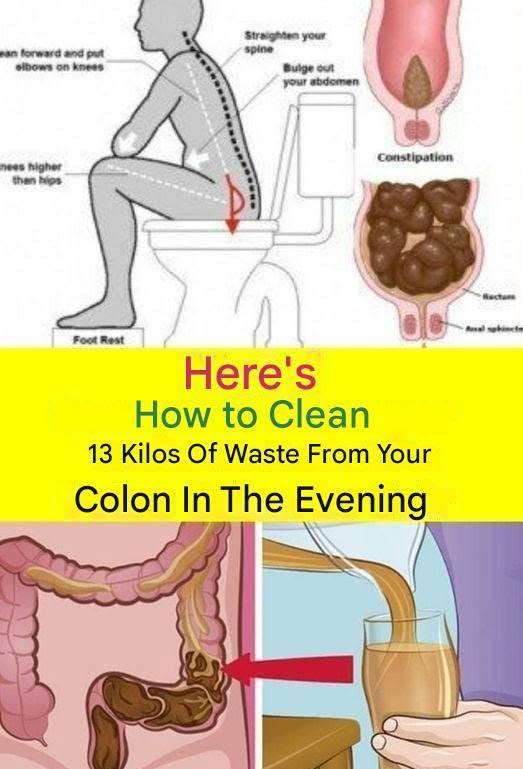
Standard modern toilets force users into a 90-degree sitting position, which partially chokes the rectum via the puborectalis muscle. In contrast, adopting a natural squatting posture (a 35-degree angle) fully relaxes the puborectalis muscle, straightening the anorectal canal and allowing waste to pass effortlessly without excessive straining or increased abdominal pressure.
Simple Posture Adjustments for Digestive Relief:
Use a Footstool: Elevate your feet on a small bathroom stool or footrest while sitting on the toilet to bring your knees higher than your hips.
Lean Forward Slightly: Rest your forearms or elbows on your knees while keeping your spine straight.
Avoid Straining or Holding Breath: Allow abdominal muscles to expand naturally and take steady, relaxed breaths rather than forcing muscle pressure.
Debunking the Myth of Massive “Trapped Colon Waste”
Viral health trends frequently assert that average adults carry 10 to 15 kilograms of “impacting toxic waste” stuck along their intestinal walls for months.
What Medical Experts Say:
Gastroenterologists confirm that the body does not hold onto hidden, solid layers of waste in healthy individuals. While severe chronic constipation can cause stool impaction that requires medical intervention, routine bowel movements naturally clear digestive waste without requiring aggressive colon flushes or unverified detox supplements.
Evidence-Based Habits to Cleanse and Nourish Your Digestive System
Supporting natural digestion involves adopting consistent daily lifestyle choices that encourage smooth intestinal motility.
1. Increase Soluble and Insoluble Fiber Intake
Fiber acts as a natural sweeping agent for the digestive system:
Soluble Fiber: Found in oats, chia seeds, apples, and psyllium husk; absorbs water to form a soft gel, making stools easier to pass.
Insoluble Fiber: Found in whole grains, nuts, and green vegetables; adds bulk to waste and speeds up movement through the intestines.
2. Prioritize Daily Hydration
Fiber requires water to function properly. Drinking 8 to 10 glasses of water daily keeps digested food soft and prevents dry, hard stools that trigger constipation and hemorrhoid irritation. Warm water or herbal tea in the morning can also stimulate natural peristalsis (intestinal contractions).
3. Incorporate Natural Probiotics and Prebiotics
Nourish your gut microbiome by consuming fermented foods rich in live active cultures—such as Greek yogurt, kefir, sauerkraut, and kimchi—alongside prebiotic foods like garlic, onions, and bananas to maintain healthy bacterial balance.
4. Maintain Daily Physical Activity
Regular aerobic movement—such as walking, swimming, or cycling—stimulates natural gut contractions and promotes healthy abdominal circulation, keeping bowel movements predictable and comfortable.
Digestive Health and Healthcare Coverage
Experiencing occasional digestive slowdowns is common, but persistent abdominal pain, unexplained weight loss, chronic constipation, or blood in stool require formal evaluation by a physician or gastroenterologist.
Reviewing your health insurance benefits ensures seamless access to diagnostic evaluations (such as routine colonoscopies or allergy panels), specialist consultations, and prescription medical treatments, keeping your long-term digestive wellness protected.
Frequently Asked Questions (FAQ)
Are commercial colon cleanses and laxative teas safe?
Overusing aggressive stimulant laxatives or commercial colon cleanses can cause severe dehydration, electrolyte imbalances, and bowel dependence. It is always safest to rely on high-fiber diets, proper hydration, and medical guidance.
How many times a day should a person have a bowel movement?
Normal bowel frequency varies from person to person, ranging from three times a day to three times a week. Consistency, lack of pain, and soft stool consistency are far more important indicators than exact daily counts.
Can using a toilet footstool really reduce constipation?
Yes. Elevating your feet straightens the anorectal angle, reducing the physical strain required to pass stools and helping prevent hemorrhoids and pelvic floor issues.
