
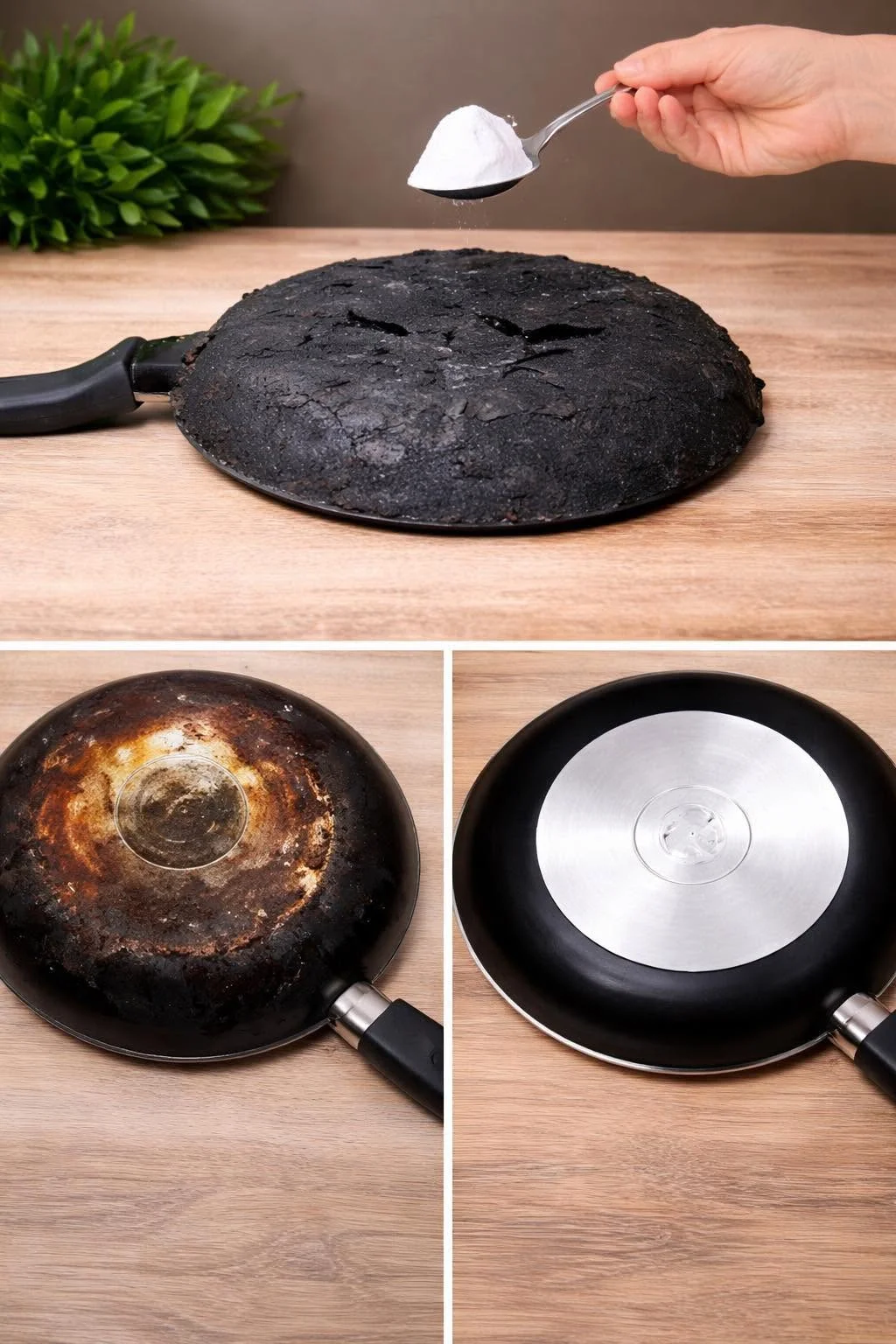
How to Restore Burned and Blackened Pans: Kitchen Cleaning and Cookware Care
Every home cook eventually faces the dreaded scenario of a severely burned, blackened, or grease-stained pan. Whether caused by a distracted moment at the stove or years of heavy use, layers of carbonized food and burnt grease can make pots and cookware look completely ruined. Fortunately, you do not have to throw away your favorite pans. With the right household cleaning techniques and a bit of patience, you can lift stubborn burned residue and restore your cookware to a brilliant shine.
Understanding the chemistry of cleaning, exploring effective household scrubbing methods, and learning proper cookware maintenance keeps your kitchen tools in top condition. In this comprehensive home cleaning, kitchen maintenance, and cookware care guide, we explore how to tackle stubborn burnt residue, clean cookware safely, and protect your pots and pans for years to come.
The Science of Cleaning Burned Cookware
When food burns onto the surface of a pan, it undergoes carbonization, forming a tough, stubborn layer of organic residue that resists plain water and ordinary dish soap:
-
The Power of Mild Abrasives: Gentle abrasive agents help physically lift carbonized crusts without scratching the underlying metal or non-stick coating.
-
Chemical Breakdown: Combining natural cleaning agents helps break down grease and soften baked-on food particles, making them much easier to wipe away.
Step-by-Step Guide to Restoring Burned Pans
Reviving a blackened pan involves a few straightforward, effective cleaning steps:
-
Create a Cleaning Paste: Mix baking soda with a small amount of water to form a thick paste, then apply it generously across the burned areas of the pan.
-
Allow Time to Penetrate: Let the mixture sit for 30 minutes to an hour so the cleaning agents can break down the stubborn grease and carbon bonds.
-
Gently Scrub and Rinse: Use a non-scratch nylon scrub pad or cloth to work away the softened residue in circular motions, then rinse thoroughly with warm water.
Cookware Maintenance and Kitchen Safety
Properly maintaining your kitchen equipment extends the lifespan of your pots and pans:
-
Avoid High Heat on Non-Stick Surfaces: Cooking on excessively high temperatures can damage protective coatings and cause oils to bake permanently onto the metal.
-
Clean Pans Promptly: Soaking pans shortly after use prevents food residues from drying out and hardening into difficult carbon crusts.
-
Choose the Right Tools: Use wooden, silicone, or plastic utensils to protect your cookware surfaces from unnecessary scratches and gouges.
Home Care, Property Maintenance, and Organization
Keeping an organized and well-maintained kitchen makes cooking and cleaning a much more enjoyable experience. Properly storing clean cookware, maintaining your sink and countertops, and using safe household cleaning products protects your home environment.
Reviewing your household maintenance routines or home care supplies ensures you are always prepared to handle everyday kitchen challenges efficiently.
Frequently Asked Questions (FAQ)
Can baking soda ruin the finish of my cookware?
Baking soda is a mild, natural abrasive that is generally safe for stainless steel, cast iron, and ceramic pans. However, you should check manufacturer guidelines before using abrasives on delicate specialty coatings.
What is the best way to clean burnt grease off the bottom of a pan?
Applying a paste of baking soda and hydrogen peroxide or water, letting it sit for an hour, and scrubbing gently with a non-scratch pad is one of the most effective ways to lift burnt grease from exterior pan bottoms.
