
The Truth About Natural Teeth Whitening: Can Rice Powder Whiten Your Teeth?
A bright, pearly-white smile is one of the most sought-after features in personal grooming. With professional whitening treatments often proving costly, home remedies using common pantry staples like rice flour or ground rice powder have gained massive popularity across social media platforms.
In this complete guide, we examine how DIY teeth whitening remedies work, dental safety truths about abrasive hacks, and proven, budget-friendly ways to maintain a healthy, bright smile.
How DIY Rice Whitening Remedies Claim to Work
Home remedies that use finely ground rice or natural powders focus primarily on surface stain removal:
1. Mild Mechanical Abrasion
Finely ground rice acts as a mild abrasive scrubbing agent. When brushed gently against tooth surfaces, coarse particles help scrub away external surface stains caused by coffee, tea, red wine, or tobacco.
2. Absorbent Starch Properties
Rice starch naturally absorbs surface oils and impurities. Proponents suggest that combining ground rice with water or lemon juice helps lift superficial discoloration sitting on top of the enamel.
Important Dental Safety Precautions and Myths
While natural hacks are tempting, protecting your tooth enamel must remain the top priority:
-
Beware of Hard Abrasives: Overusing coarse homemade powders can wear down tooth enamel over time. Once tooth enamel thins, the yellowish layer underneath (dentin) becomes more visible, making teeth appear more yellow rather than whiter.
-
Avoid Acidic Additions: Mixing raw powders with harsh acid like lemon juice or vinegar weakens enamel and can lead to sensitivity or cavities.
-
Target Surface Stains, Not Deep Discoloration: Natural scrubbing powders only affect extrinsic (surface) stains and cannot alter the natural intrinsic shade of your teeth.
Smart Financial and Budget-Friendly Oral Hygiene Tips
Achieving a bright, confident smile doesn’t require high-end clinical whitening kits:
-
Use Hydrogen Peroxide Rinses: Diluted over-the-counter 1.5% to 3% hydrogen peroxide mixed in equal parts with water serves as an affordable, dentist-approved mouth rinse to gradually break down surface stains.
-
Switch to Whitening Toothpaste: Opt for ADA-approved whitening toothpastes containing safe micro-polishing particles and fluoride to protect enamel while removing daily buildup.
-
Rinse with Water After Dark Drinks: Protect your teeth by swishing with fresh water immediately after drinking coffee, tea, or soda to prevent pigments from settling into enamel pores.
Frequently Asked Questions (FAQ)
Is ground rice safe to brush on teeth every day?
No. Brushing with raw ground rice every day can be overly abrasive to dental enamel and delicate gum tissue. Limit any mild abrasive DIY paste to once a week or stick to tested toothpastes.
What is the most effective budget ingredient for surface whitening?
Baking soda (sodium bicarbonate) dissolved in water is one of the most widely researched, low-abrasion household ingredients proven to lift surface stains safely when used occasionally.
Why do DIY whitening photos look so dramatic?
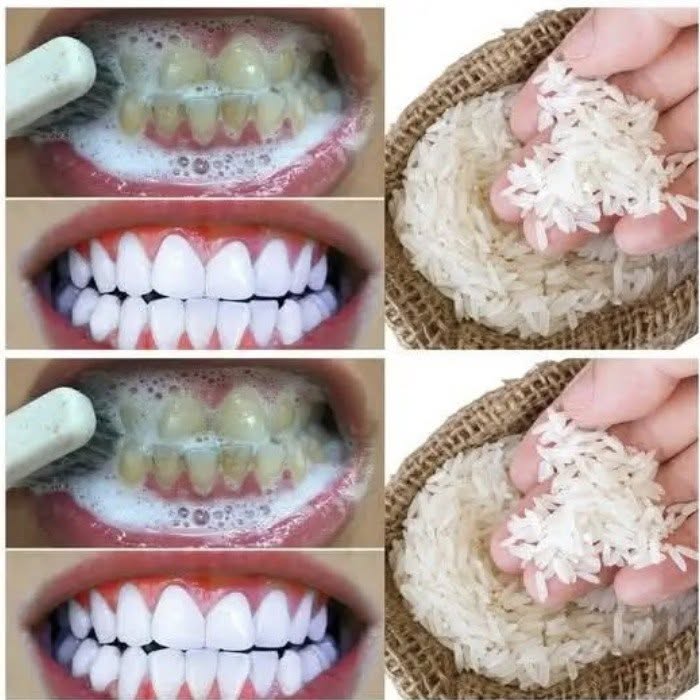
Viral images on social media often feature heavy lighting edits, white filters, or dental veneers to exaggerate the results of natural home remedies.
Final Thoughts
While gentle home habits can help polish away daily surface stains, keeping your enamel strong and healthy is the key to a lasting smile. By balancing smart DIY hacks with safe, budget-friendly dental care, you can enjoy a bright, healthy smile without risking enamel damage!
