
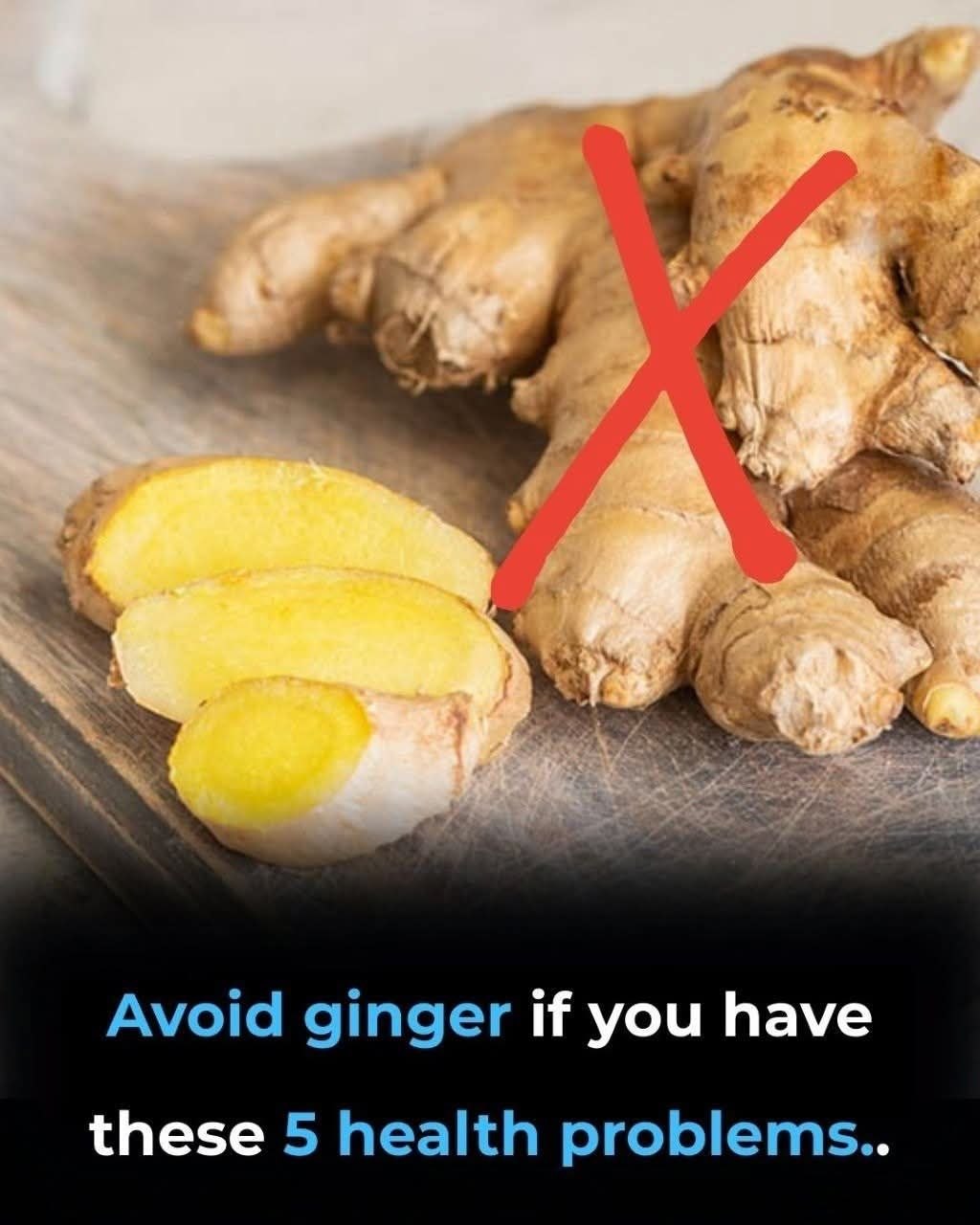
Avoid Ginger If You Have These 5 Health Conditions: Medical Facts & Side Effects
Ginger (Zingiber officinale) is celebrated globally as a natural superfood packed with anti-inflammatory compounds and antioxidants. However, health warnings frequently pop up online: “Avoid ginger if you have these 5 health problems..”
While moderate amounts of ginger in cooking are completely safe for most adults, high-dose supplements, concentrated extracts, or excessive daily intake can pose risks for individuals with specific medical conditions.
In this guide, we will break down the 5 health conditions where ginger caution is required, explain the underlying interactions, and share safe consumption limits.
5 Health Conditions That Require Caution with Ginger
1. Bleeding Disorders or Blood Thinner Medications
Ginger naturally contains salicylates and acts as a mild blood thinner by inhibiting platelet aggregation. People taking anticoagulant or antiplatelet drugs (such as warfarin, aspirin, or clopidogrel) or those with bleeding disorders like hemophilia should avoid high-dose ginger supplements due to increased bleeding risk.
2. Gallstones and Gallbladder Issues
Ginger stimulates bile production in the liver. For individuals with active gallstones or gallbladder disease, an increase in bile flow can trigger painful gallbladder contractions or blockages.
3. Diabetes and Blood Sugar Medications
Ginger can lower blood sugar levels and enhance insulin sensitivity. While generally beneficial, combining high doses of ginger with diabetes medications (like insulin or metformin) may cause hypoglycemia (dangerously low blood sugar).
4. High Blood Pressure (Hypertension) Medications
Large amounts of ginger can lower blood pressure by acting as a natural calcium channel blocker. When taken alongside prescribed antihypertensive drugs, it can cause blood pressure to drop unexpectedly low (hypotension).
5. Pregnancy (High Doses / Near Term)
While small doses of fresh ginger (under $1\text{g}$ per day) are widely recommended for morning sickness, excessive amounts or concentrated supplements during late pregnancy may increase the risk of uterine contractions or bleeding.
Ginger Interaction Matrix
| Health Condition / Concern | Primary Mechanism | Interaction Risk Level | Safe Intake Recommendation |
| Blood Thinners / Bleeding | Inhibits platelet aggregation | High: May increase bruising or bleeding | Avoid high-dose supplements; stick to culinary spice |
| Gallstones | Stimulates bile secretion | Moderate: May trigger gallbladder pain | Consult physician before regular supplement use |
| Diabetes (On Meds) | Lowers blood glucose | Moderate: Hypoglycemia risk | Monitor blood glucose closely |
| Hypertension (On Meds) | Calcium channel blocking effect | Moderate: Hypotension risk | Regular medical monitoring |
| Pregnancy | Uterine stimulation (in high doses) | Low to Moderate: Safe in small doses | Keep under $1,000\text{mg}$ raw ginger daily |
How to Enjoy Ginger Safely
If you do not have severe contraindications, follow these safety guidelines to gain ginger’s health benefits without adverse effects:
-
Stick to Standard Doses: Limit daily ginger intake to under $4\text{ grams}$ per day from all sources ($1\text{ gram}$ per day during pregnancy).
-
Prioritize Whole Food Sources: Fresh root tea or culinary spice carries a significantly lower risk of adverse reactions compared to concentrated extract capsules.
-
Consult Your Healthcare Provider: If taking prescription medications for blood pressure, blood thinners, or diabetes, discuss herbal supplement use with your doctor.
Conclusion
Ginger remains a highly beneficial root, but it is not entirely risk-free. Recognizing how active botanical compounds interact with prescription drugs and existing health conditions helps ensure safe, effective wellness choices.
Frequently Asked Questions (FAQ)
Can ginger cause acid reflux or heartburn?
Yes. While ginger relieves nausea in small amounts, consuming more than $4\text{ grams}$ daily can relax the esophageal sphincter, triggering heartburn or stomach upset.
Is drinking ginger tea every day safe?
For most healthy individuals, drinking 1–2 cups of freshly steeped ginger tea daily is entirely safe and provides mild anti-inflammatory benefits.