
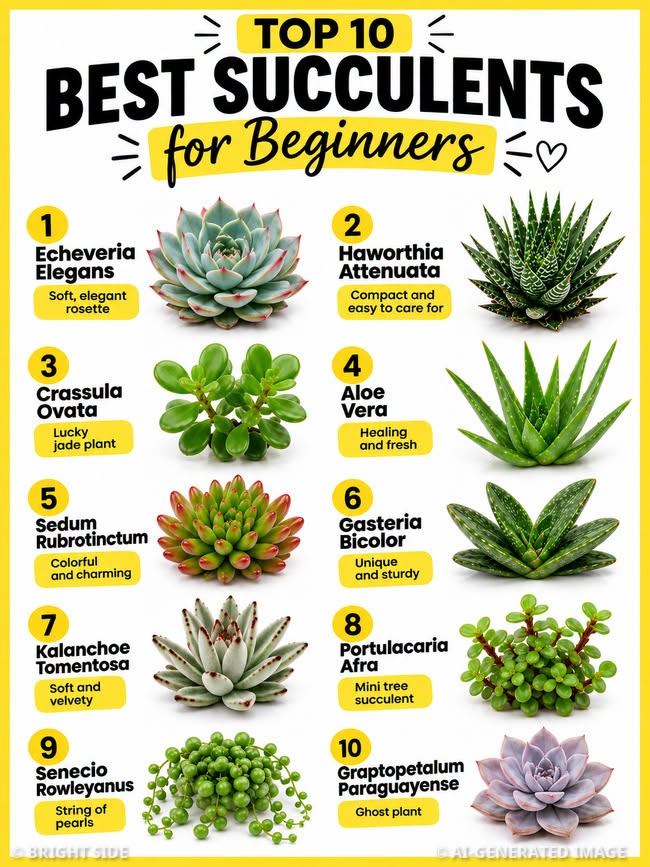
Succulents have taken the home decor and indoor gardening world by storm. With their stunning geometrical shapes, vibrant colors, and reputation for being nearly indestructible, these desert beauties are the perfect entry point for aspiring plant parents. However, while succulents are generally low-maintenance, keeping them vibrant, healthy, and thriving indoors requires an understanding of their specific light, watering, and soil needs.
Whether you want to add a touch of greenery to your home office, decorate a sunny windowsill, or start a full container garden, choosing the right varieties makes all the difference. In this comprehensive guide, we will break down the top 10 best succulents for beginners, explore essential care guidelines, and provide practical tips for long-term plant health.
Why Succulents Are Perfect for Indoor Gardening
Succulents are specialized plants that store water in their fleshy leaves, stems, or roots. This adaptation allows them to survive in arid environments and forgiving indoor conditions where busy schedules might lead to occasional missed waterings.
Primary Benefits of Growing Indoor Succulents
-
Exceptional Resilience: Succulents tolerate dry indoor air and require far less frequent watering than traditional foliage houseplants.
-
Compact Space Requirements: Most indoor succulents grow slowly and maintain a compact footprint, making them ideal for small apartments, dorm rooms, and desk setups.
-
Aesthetic Variety: From cascading strings of pearls to velvety rosettes and architectural spears, succulents offer endless structural diversity.
-
Air Quality and Stress Reduction: Incorporating indoor plants into your living space enhances focus, boosts mood, and adds natural tranquility to daily routines.
Detailed Profile: Top 10 Beginner-Friendly Succulents
Here is an in-depth breakdown of the 10 best succulent varieties featured in our visual guide, along with their distinct visual characteristics and care highlights.
1. Echeveria Elegans (Mexican Snow Rose)
Known for its soft, elegant rosette form, Echeveria Elegans features pale silvery-blue leaves with translucent edges. It thrives in bright, direct sunlight, which enhances its delicate pink tinting along leaf margins.
2. Haworthia Attenuata (Zebra Plant)
Compact and exceptionally easy to care for, this plant displays dark green triangular leaves adorned with white, raised horizontal stripes. Unlike many sun-hungry succulents, Haworthia tolerates medium indirect light, making it perfect for office desks.
3. Crassula Ovata (Jade Plant)
Often called the “lucky jade plant,” this classic succulent features rich green, oval-shaped leaves on woody, tree-like stems. It is long-lived, highly adaptable, and considered a symbol of financial prosperity and good fortune in many cultures.
4. Aloe Vera
Renowned for its healing, gel-filled leaves and fresh aesthetic, Aloe Vera is a functional household staple. It produces upright, fleshy green spears with soft serrated edges and thrives on sunny windowsills.
5. Sedum Rubrotinctum (Jelly Bean Plant)
Colorful and charming, this variety displays plump, bean-shaped leaves that turn bright red at the tips when exposed to full sun. It propagates effortlessly from fallen leaves, making it a favorite for container arrangements.
6. Gasteria Bicolor
Featuring tongue-shaped, thick leaves with mottled white spots, Gasteria Bicolor is a unique and sturdy choice. It grows slowly and performs exceptionally well in low-to-medium indoor light conditions.
7. Kalanchoe Tomentosa (Panda Plant)
Soft and velvety to the touch, this plant features grayish-green oval leaves covered in fine silver hairs, with brownish-chocolate spots lining the tips. Its tactile texture makes it a favorite among collectors.
8. Portulacaria Afra (Elephant Bush)
Often called a mini tree succulent, Portulacaria Afra features reddish-brown stems packed with small, round emerald leaves. It resembles a miniature bonsai tree and grows vigorously in bright light.
9. Senecio Rowleyanus (String of Pearls)
Famous for its cascading vines of small, round pea-like beads, String of Pearls creates a stunning visual statement in hanging baskets or raised shelves. It requires bright indirect light and careful watering practices.
10. Graptopetalum Paraguayense (Ghost Plant)
This captivating succulent displays thick, pale gray or opalescent rosettes that shift color from pink to lavender depending on sunlight exposure. It is extraordinarily hardy and copes well with temperature changes.
Master Care Blueprint: Soil, Water, and Sunlight
While each variety has unique traits, all succulents share foundational growth requirements. Overwatering remains the number one mistake made by new plant owners.
1. The “Soak and Dry” Watering Method
Never water succulents on a strict calendar schedule. Instead, follow the soak-and-dry rule:
-
Pour water thoroughly into the soil until it drains out of the bottom holes.
-
Allow the soil mix to dry out 100% completely before watering again.
-
When in doubt, wait another few days. Wrinkled, soft leaves indicate the plant needs water, whereas mushy, yellow leaves indicate overwatering.
2. Well-Draining Soil and Pot Choice
Succulent roots rot quickly if kept in soggy soil. Always use a specialized cactus and succulent gritty potting mix containing perlite, pumice, or coarse sand. Ensure your containers feature drainage holes—terracotta pots are ideal because their porous material allows soil to breathe and dry efficiently.
3. Light Requirements
Most succulents need at least 4 to 6 hours of bright light daily. South- or west-facing windows provide the best natural exposure. If leaves begin to stretch apart along an elongated stem (a process known as etiolation), your plant is signaling that it needs more direct light.
Practical Lifestyle Benefits of Houseplant Care
Nurturing an indoor succulent collection offers holistic benefits that extend past mere decor, supporting wellness, home value, and mindful lifestyle habits.
-
Promoting Mindful Breaks: Taking a few minutes to inspect, prune, and care for plants provides a refreshing screen-free mental pause during work hours.
-
Enhancing Interior Value: Well-placed greenery elevates interior aesthetics, adding warmth and high-end staging value to real estate spaces.
-
Educational Opportunities for Families: Growing plants with children teaches valuable lessons in biology, environmental science, and daily personal responsibility.
Interesting Facts About Succulents
-
Crassulacean Acid Metabolism (CAM): Succulents utilize a special type of photosynthesis called CAM. They open their pores at night to absorb carbon dioxide, minimizing water loss during scorching day temperatures.
-
Natural Sunscreen: The powdery, chalky coating on leaves like Echeveria is called farina or epicuticular wax. It acts as a natural sunscreen and waterproof barrier.
-
Longevity: Jade plants can live for over 50 to 70 years, often passed down through generations as family heirlooms.
Conclusion
Starting an indoor plant collection does not require a green thumb—just the right plant selection and basic care knowledge. By choosing hardy beginner varieties like Echeveria, Haworthia, Jade, or Aloe Vera, you can enjoy vibrant, low-stress greenery that enhances your living space. Remember the golden rule of succulent care: prioritize bright light, use gritty soil, and when in doubt, hold off on watering!
Frequently Asked Questions (FAQ)
How often should I water my indoor succulents?
For most indoor environments, succulents need water every 2 to 3 weeks during the active spring/summer growing season, and even less frequently (once every 4 to 6 weeks) during winter dormancy. Always verify that the soil is fully dry before watering.
Can succulents survive in rooms without windows?
Succulents require bright light to maintain their compact shapes and colors. In windowless rooms or dark offices, you must supplement them with a full-spectrum LED grow light running 8 to 12 hours a day.
Why is my succulent losing leaves?
If lower leaves dry up, shrivel, and drop naturally, it is part of normal growth. However, if leaves become translucent, yellow, mushy, and fall off at the slightest touch, the plant is experiencing root rot caused by overwatering.
