
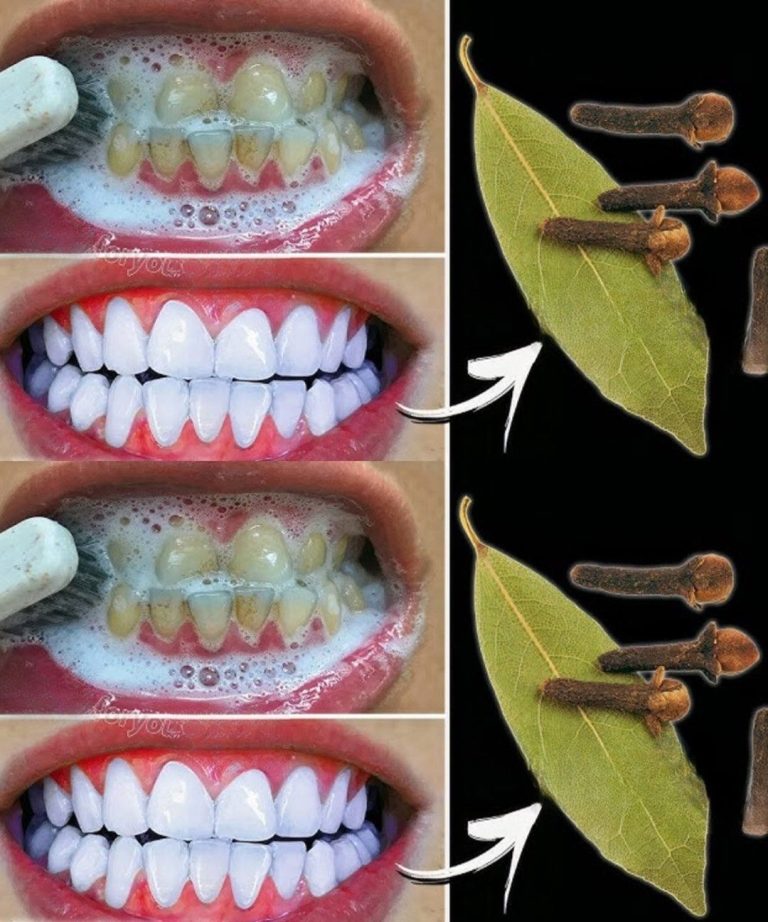
Viral social media graphics frequently promise miraculous visual transformations, claiming that simple kitchen spices—like cloves (Syzygium aromaticum) and bay leaves (Laurus nobilis)—can instantly turn severely stained teeth into bright white smiles. Pictures showing yellowed teeth instantly transforming into polished white smiles spark curiosity about home remedies versus professional dental treatments.
While natural spices offer documented antibacterial and soothing benefits for oral health, understanding dental enamel science helps separate internet claims from safe, effective teeth whitening.
Active Compounds in Cloves and Bay Leaves
Both cloves and bay leaves have rich histories in traditional medicine and oral hygiene practices due to their active biochemical properties.
1. Eugenol in Cloves
Cloves are famous for containing high concentrations of eugenol, a chemical compound widely recognized for its natural anesthetic, anti-inflammatory, and antimicrobial properties. Dentists have long used eugenol-based preparations to soothe temporary toothaches and reduce oral bacteria.
2. Essential Oils in Bay Leaves
Bay leaves contain essential oils such as cineole and eugenol, which provide mild antibacterial protection against oral pathogens that cause plaque and bad breath.
Evaluating Whitening Claims vs. Dental Reality
It is vital to distinguish between maintaining oral hygiene and removing deep structural tooth stains:
| Popular Claim | Dental Reality | Recommended Evidence-Based Approach |
| Instant Whitening |
Spices do not contain peroxide bleaching agents needed to alter enamel color |
Use dentist-approved whitening gels or professional treatments |
| Plaque & Tartar Removal |
Whole spices cannot dissolve hardened tartar buildup on enamel |
Schedule professional dental cleanings with scaling tools |
| Fresh Breath & Antibacterial Care | Clove and bay leaf compounds help eliminate odor-causing bacteria | Use as natural mouth rinses alongside regular daily brushing |
| Pain Relief |
Clove oil (eugenol) temporarily numbs minor toothache discomfort |
Consult a dentist promptly to address underlying decay or infection |
Practical Tips for Safe and Effective Oral Hygiene
To maintain a healthy, bright smile while avoiding enamel damage, follow these proven dental habits:
-
Brush Twice Daily with Fluoride Toothpaste: Brushing for two minutes twice a day removes surface stains and strengthens enamel against cavities.
-
Limit Acidic Home Remedies: Avoid abrasive DIY scrubs (like charcoal or coarse spice mixtures) that can wear down protective enamel and expose yellowish dentin beneath.
-
Floss Daily: Flossing removes plaque, food debris, and bacteria from between teeth where toothbrush bristles cannot reach.
-
Rinse After Stain-Causing Drinks: Drink water after consuming coffee, tea, red wine, or dark berries to minimize surface discoloration.
-
Visit Your Dentist Regularly: Professional cleanings every six months remove hardened calculus and keep your gums healthy.
Fascinating Facts About Dental History and Spices
-
Ancient Toothpaste: Ancient Egyptians used a mixture of crushed rock salt, mint, dried iris flower, and pepper as one of the world’s earliest tooth powders.
-
Clove Dentistry: Clove oil was recorded as an oral pain remedy as early as the 10th century in traditional Chinese and Ayurvedic medicine.
-
Enamel Strength: Tooth enamel is the hardest substance in the human body, even harder than bone, consisting of 96% minerals.
Dental Insurance, Health Coverage, and Financial Planning
Maintaining optimal oral health is an essential component of overall physical well-being. Leaving dental decay, gum disease, or severe discoloration unmanaged can lead to complex and costly dental procedures over time.
Securing comprehensive dental and health insurance ensures affordable access to preventive checkups, routine cleanings, and professional whitening procedures. Pairing good oral hygiene with smart health insurance planning protects both your smile and your long-term finances.
Conclusion
Cloves and bay leaves are wonderful natural spices that offer genuine antibacterial and soothing benefits for your mouth, but they cannot instantly bleach or whiten enamel. By sticking to proven oral care habits and consulting dental professionals, you can safely enjoy a radiant, healthy smile.
Frequently Asked Questions (FAQ)
Can clove oil bleach my teeth?
No. Clove oil contains antibacterial eugenol, but it lacks peroxide compounds required to bleach intrinsic enamel stains.
Are DIY natural whitening pastes safe?
Be cautious! Abrasive pastes or acidic remedies (like lemon juice or baking soda scrubs) can permanently erode enamel and increase tooth sensitivity.
What is the most effective way to whiten teeth safely?
Professional dental whitening procedures or ADA-approved hydrogen peroxide whitening strips offer the safest and most effective results.
