
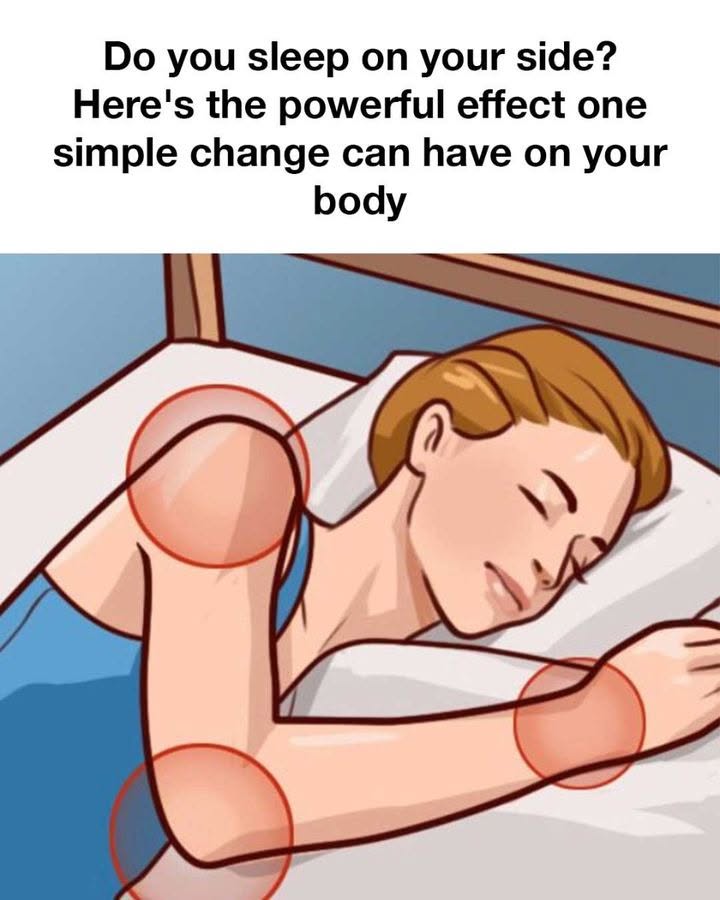

Do You Sleep on Your Side? Here is What One Simple Change Does to Your BodySide sleeping is by far the most popular sleep position in the world, chosen by over 60 percent of adults. While sleeping on your side offers numerous benefits—such as reduced snoring, improved digestion, and better spinal alignment compared to stomach sleeping—it can also create localized pressure points along your joints. Many side sleepers wake up experiencing persistent shoulder stiffness, lower back aches, hip discomfort, or tingling sensations in their arms and wrists. Fortunately, you do not need to completely change how you sleep to eliminate morning joint pain. Implementing one simple, evidence-based physical tweak can completely transform your spinal ergonomics, relieve shoulder pressure, and dramatically elevate your sleep quality. In this comprehensive health and wellness guide, we explore the science behind side sleeping ergonomics, the powerful body modification that restores alignment, and practical tips to ensure deep, restorative rest every night. The Physiology of Side Sleeping: Pressure Points and AlignmentWhen you lie on your side, your body weight concentrates unevenly along key structural points: your shoulder, elbow, hip, and knee joints. Without proper anatomical support, gravity forces your upper spine and hips out of neutral alignment. Over several hours of sleep, an unsupported side position causes the top knee to drop forward, pulling the lower spine into a twisted position. Simultaneously, the weight of your torso collapses the bottom shoulder, compressing nerves and blood vessels in the upper arm. This structural strain is precisely why many individuals wake up with joint stiffness or restricted circulation. Common Symptoms of Poor Sleeping PostureShoulder Impingement and Soreness: Caused by prolonged compression of the shoulder joint and surrounding rotator cuff tissues against the mattress. Lower Back Strain: Triggered by hip rotation when the top leg rests directly on the bed, pulling the lumbar spine out of its neutral curve.Nerve Compression and Tingling: Often felt in the hands, wrists, or elbows when arms are tucked tightly under pillows or bent at sharp angles. Morning Hip Stiffness: Results from direct pressure on the trochanteric bursa and surrounding hip tendons against firm mattress surfaces.The Game-Changing Fix: The Between-the-Knees Support TechniqueThe single most effective change a side sleeper can make is placing an ergonomically contoured pillow between their knees and ankles.While it may seem like a minor adjustment, inserting a supportive pillow between your legs instantly prevents your top leg from sliding forward and dropping toward the mattress. This maintains a perfectly level, neutral alignment from your hips straight down through your lumbar spine.How Proper Hip Alignment Protects Your Entire SpineRelieves Lumbar Tension: By elevating the upper leg, your pelvis remains square, preventing spinal twisting and reducing pressure on spinal discs.Distributes Joint Pressure: A dedicated knee pillow cushions bone-on-bone contact at the knee joints while balancing weight across the lower body.Reduces Shoulder Strain: When your spine is properly aligned from the base, your upper body relaxes naturally, taking significant load off your bottom shoulder. Optimizing Upper Body Position for Shoulder and Neck ReliefWhile stabilizing the hips is critical, adjusting your upper body alignment is equally essential for total comfort. As highlighted in anatomical sleep guides, shoulder and arm placement heavily impacts neck strain and blood circulation. 1. Strategic Pillow Height for Neck SupportYour neck pillow should fill the exact gap between your ear and the tip of your shoulder. If your pillow is too flat, your head tilts downward, straining neck muscles. If it is too thick, your neck bends unnaturally upward. A firm contour or memory foam pillow maintains a neutral cervical spine.2. Proper Arm and Elbow PlacementAvoid sleeping with your arm pinned under your head or crushed directly beneath your torso. Instead, hug a medium-sized pillow in front of your chest. Resting your top arm on a body pillow supports your upper shoulder, prevents the shoulder blade from collapsing forward, and keeps your elbows at a relaxed, comfortable angle. 3. Mattress Firmness ConsiderationsSide sleepers generally benefit from a medium-to-medium-soft mattress or a plush mattress topper. A mattress with targeted contouring allows your hips and shoulders to sink in just enough, relieving peak pressure points while keeping the spine straight. The Health Benefits of Proper Sleep ErgonomicsOptimizing your sleep position does more than just stop morning aches—it directly impacts your overall physical health, cognitive recovery, and long-term vitality.Key Long-Term Benefits Include:Enhanced Sleep Quality and Continuity: Minimizing tossing and turning allows your body to spend more uninterrupted time in deep, restorative REM sleep cycles.Improved Circulation and Lymphatic Drainage: Proper joint positioning prevents restricted blood flow, reducing morning swelling and numbness in the extremities. Better Health Outcomes: Quality rest supports immune function, cardiovascular health, and cognitive performance, making ergonomic adjustments a high-return investment in your personal wellness.Reduced Medical and Therapy Expenses: Preventing chronic postural pain reduces reliance on pain management products, physical therapy visits, or costly orthopedic interventions over time.Practical Steps to Transition to Ergonomic Side SleepingAdopting a new sleeping habit requires a short adjustment period. Here is how you can seamlessly transition your routine over the next week:Select the Right Gear: Choose a firm, contoured knee pillow and a supportive chest pillow. Memory foam materials offer excellent shape retention throughout the night.Build a Pillow Fort: Position your neck pillow, chest pillow, and knee pillow before getting into bed so proper support is immediately accessible.Be Consistent: Even if you kick the knee pillow away during the night at first, simply reposition it whenever you wake up. Within 7 to 10 days, your body will naturally adapt to the supported alignment.Frequently Asked Questions (FAQ)Which side is healthiest to sleep on?Sleeping on the left side is widely recommended by health professionals because it improves digestion, reduces acid reflux, and promotes optimal cardiovascular circulation.Can I use a regular bed pillow between my knees?Yes, a standard pillow works, but an ergonomically shaped, hourglass contoured knee pillow made of high-density memory foam provides far better stability and stays in place throughout the night.How do I stop my shoulder from hurting when sleeping on my side?Ensure your mattress has enough cushioning for your shoulder to sink in slightly, use a neck pillow that keeps your spine straight, and hug a chest pillow to prevent your top shoulder from collapsing forward.
