
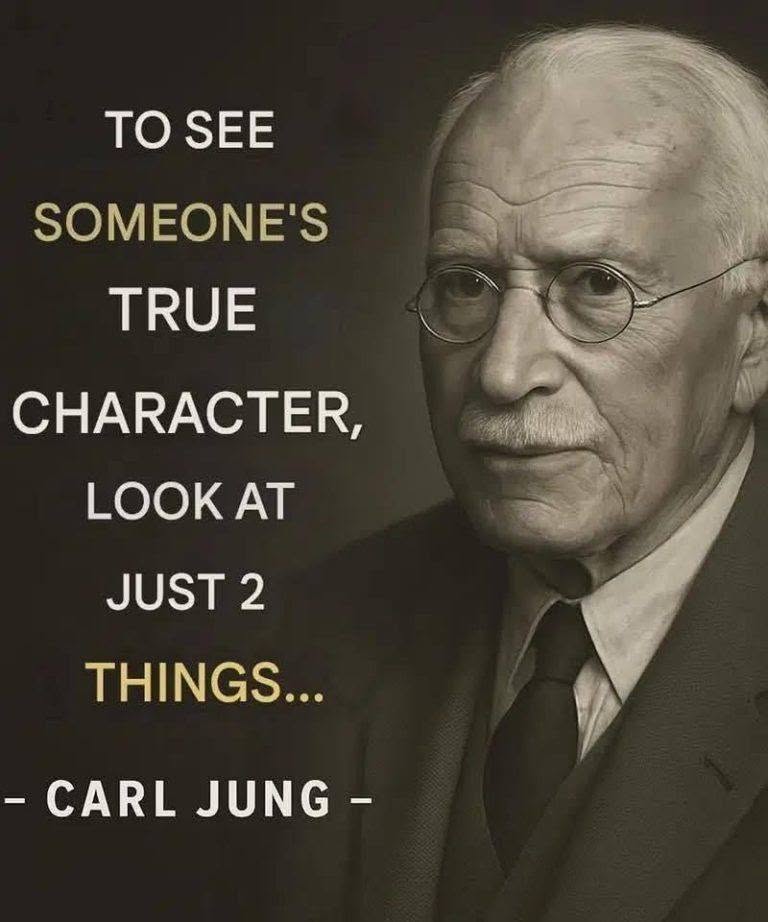
How to See Someone’s True Character: Key Psychological Principles by Carl Jung
Understanding human behavior, evaluating personal character, and navigating interpersonal relationships are central challenges in both personal and professional life. Renowned Swiss psychiatrist and psychoanalyst Carl Jung devoted his life to exploring the unconscious mind, psychological types, and human nature. A famous psychological insights framework suggests that to reveal a person’s true character, one must look past superficial charm, polite conversation, and outward social masks to evaluate two core behavioral dimensions: how they handle personal power and how they respond to adversity.
By examining how people act when they hold authority and how they behave when faced with stress, failure, or opposition, we gain profound insights into their authentic character. In this comprehensive psychology and personal development guide, we explore the core principles of character evaluation, Carl Jung’s perspective on human behavior, psychological projection, shadow work, and practical ways to cultivate deep emotional intelligence.
The Psychology of Human Character: Mask vs. True Self
Carl Jung introduced the concept of the Persona—the social mask individuals wear to adapt to societal expectations, professional environments, and cultural norms. While the persona helps people navigate daily social interactions smoothly, it rarely reveals who a person truly is deep down.
To evaluate genuine human character, psychological observers must look beyond polished social presentations. True character manifests in unguarded moments, unscripted reactions, and decisions made under pressure when social masks naturally slip away.
Key Benefits of Developing Character Evaluation Skills
Protected Emotional Well-Being: Recognizing behavioral red flags early protects individuals from toxic relationships, manipulation, and broken trust.
Stronger Personal and Professional Relationships: Identifying authentic integrity helps foster deep, lasting friendships, healthy romantic partnerships, and productive business alliances.
Enhanced Self-Awareness: Applying character assessment frameworks internally promotes personal growth, self-reflection, and moral accountability.
The 2 Key Tests of True Character
Psychologists and behavioral analysts emphasize two primary behavioral tests that reveal the true depth of an individual’s character:
1. How They Treat People When They Hold Power or Advantage
One of the clearest indicators of true character is how a person treats those who can offer them nothing in return. When individuals gain authority, wealth, physical strength, or social advantage, their true values surface.
Respect for the Vulnerable: Observe how someone treats service staff, subordinates, animals, or individuals in weaker positions. True integrity is marked by consistent kindness, humility, and empathy regardless of social status.
Handling Authority: Individuals with strong character use power to support, protect, and empower others. Conversely, weak character manifests as arrogance, entitlement, micro-management, and exploiting advantage for self-interest.
2. How They Act Under Stress, Adversity, or Inconvenience
Politeness and generosity come easily when life is going smoothly. However, adversity acts as a psychological pressure test, stripping away artificial persona layers and exposing core resilience.
Emotional Accountability vs. Blame: When things go wrong, individuals with high character accept personal accountability, stay calm, and focus on constructive solutions. Individuals lacking character frequently resort to blame-shifting, explosive anger, dishonesty, or playing the victim.
Integrity Under Temptation: Observe whether a person maintains their ethical boundaries when faced with personal loss, inconvenience, or the opportunity to take an unethical shortcut without getting caught.
Carl Jung’s Concepts: The Shadow and Projection
Carl Jung’s analytical psychology provides deeper context for why people act the way they do under pressure.
The Shadow Self
Jung defined the “Shadow” as the hidden, unconscious part of the personality containing repressed weaknesses, desires, and unacknowledged character traits. When individuals experience stress, unexpected conflict, or fatigue, the conscious ego loses control, allowing shadow traits—such as jealousy, resentment, or aggression—to emerge unexpectedly.
Psychological Projection
Jung noted that people often project their own unacknowledged flaws onto others. If someone constantly accuses others of dishonesty, greed, or disloyalty without evidence, they may be projecting their own internal insecurities and shadow traits onto the world around them.
Practical Steps to Cultivate High Integrity and Self-Awareness
Understanding character evaluation allows individuals to refine their own personal values and build emotional maturity.
1. Practice Active Self-Reflection
Regularly evaluate your own unguarded reactions. Ask yourself how you handle minor daily frustrations, traffic jams, unexpected delays, or disagreements with loved ones.
Establish Clear Personal Boundaries: Align your actions with explicit moral principles. Consistently practicing honesty, reliability, and fairness builds strong moral character over time.
Seek Therapy and Mental Health Resources: Working with licensed counselors or practicing journaling helps process unconscious emotional triggers, resolve past traumas, and integrate the shadow self constructively.
Mental Health, Counseling, and Personal Growth
Investing in personal development, emotional intelligence, and mental healthcare yields lifelong returns in relationships, career stability, and overall life satisfaction.
Exploring therapy services or utilizing mental health insurance benefits ensures access to professional guidance, helping individuals build emotional resilience, heal past psychological wounds, and navigate life transitions with confidence.
Frequently Asked Questions (FAQ)
Can a person’s true character change over time?
Yes. While core personality traits remain relatively stable, human character evolves through intentional self-awareness, life experience, moral growth, therapy, and conscious effort.
What is the difference between personality and character?
Personality refers to outward traits, behavioral styles, and social preferences (e.g., introversion vs. extroversion). Character represents moral identity, ethical integrity, and fundamental values.
How can you tell if someone is wearing a false social mask?
Look for inconsistencies between their words and actions. Pay attention to how they talk about people when those individuals are not present, and observe whether their behavior changes based on who is watching.
