
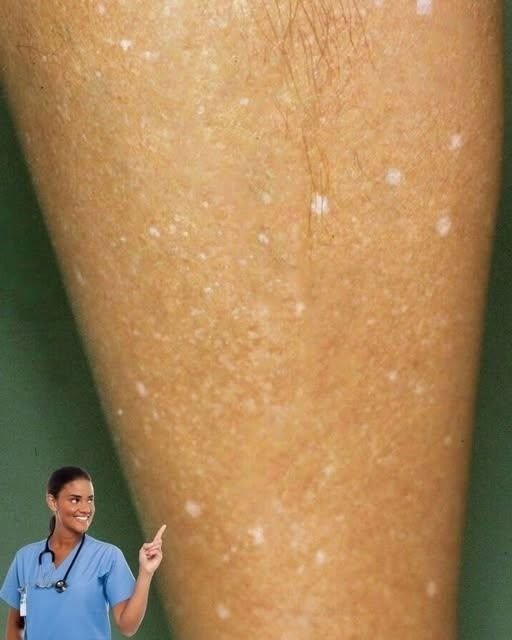
Tiny White Spots on Your Skin? Causes, Treatment, and Sun Safety FactsDiscovering small, flat white spots scattered across your shins, forearms, or shoulders is a common experience that often causes concern. These small macules—frequently measuring 1 to 3 millimeters across—can seem to appear out of nowhere, particularly as skin ages or after periods of intense sun exposure. While seeing unexpected pigmentation shifts on your skin can spark worries about vitiligo, fungal infections, or skin damage, dermatologists reassure that these spots are usually a benign, extremely common condition known as Idiopathic Guttate Hypomelanosis (IGH). Understanding the physiological causes of skin depigmentation, differentiating harmless spots from serious dermatological conditions, and adopting robust sun protection habits are essential steps for long-term skin health. In this comprehensive dermatology and skincare guide, we explore why these white spots develop, key medical treatment options, effective home care protocols, and daily sun safety practices. What Is Idiopathic Guttate Hypomelanosis (IGH)?Idiopathic Guttate Hypomelanosis (IGH) is a benign, non-contagious skin condition characterized by small, smooth, porcelain-white spots that primarily appear on sun-exposed areas of the body, such as the lower legs, forearms, upper back, and shoulders. The medical term breaks down its nature clearly: Idiopathic: The exact precise trigger is unknown, though heavily tied to genetics and cumulative sun exposure. Guttate: “Tear-drop” or “drop-like” in physical shape and small size. Hypomelanosis: A localized loss or reduction of melanin (skin pigment). Unlike fungal infections or systemic skin conditions, IGH spots do not itch, burn, scale, or spread rapidly, nor do they carry any risk of developing into skin cancer. Key Features of IGH SpotsLocation: Commonly found on the anterior shins, outer forearms, and upper back—areas with highest lifetime UV exposure. Appearance: Flat, smooth, porcelain-white macules ranging from 1 to 5 millimeters in diameter. Asymptomatic Nature: They do not cause physical discomfort, pain, or inflammation. Primary Causes of White Spots on the SkinWhile the precise mechanism varies, several biological and environmental factors contribute to localized skin depigmentation: 1. Cumulative UV Radiation ExposureChronic, long-term exposure to ultraviolet (UV) light from sunlight or tanning beds damages skin cells over time. UV radiation gradually reduces the number and efficiency of functional melanocytes (pigment-producing cells) in specific micro-areas of skin, causing localized loss of color. 2. Natural Skin Aging (Senile Hypomelanosis)As part of the natural aging process, melanocyte activity decreases across the epidermis. This age-related reduction in pigment production makes IGH far more prevalent in individuals over the age of 40, though it can appear earlier in fair-skinned adults with high sun exposure. 3. Genetic PredispositionGenetics plays a significant role in determining skin vulnerability. Individuals with a family history of IGH or fair skin complexions are statistically more likely to develop these harmless white spots as they age. 4. Other Potential Causes of White Skin SpotsIt is essential to distinguish IGH from other skin conditions that present with hypopigmentation: Tinea Versicolor: A superficial fungal infection that causes scaly, itchy, discolored spots across the chest and back. Vitiligo: An autoimmune condition where the immune system attacks melanocytes, creating larger, expanding white patches across symmetrical body parts.Pityriasis Alba: A mild form of eczema causing pale, dry, slightly scaly patches commonly seen on children’s cheeks and arms. Medical and Cosmetic Treatment Options for IGHBecause IGH spots are completely harmless, medical treatment is generally unnecessary from a health standpoint. However, for individuals seeking to reduce the appearance of spots for aesthetic reasons, several dermatological procedures and topical therapies can help: Common Dermatological Therapies:Topical Retinoids: Applying prescription-strength retinoid creams (like tretinoin) can stimulate cell turnover and support melanocyte activity over extended use. Topical Calcineurin Inhibitors: Medications such as pimecrolimus or tacrolimus may assist in repigmentation for specific individuals. Cryotherapy (Light Liquid Nitrogen): Micro-targeted, mild cryotherapy can stimulate remaining surrounding pigment cells to regenerate localized color. Microdermabrasion or Chemical Peels: Exfoliates outer epidermal layers, encouraging fresh skin cell growth and smoothing skin texture. Fractional Laser Resurfacing: Uses precise light energy to promote skin renewal and stimulate pigment cell migration. Daily Prevention and Essential Sun Safety PracticesPreventing new white spots from forming depends on protecting your skin barrier from cumulative UV damage. Recommended Sun Protection Protocol:Apply Broad-Spectrum Sunscreen Daily: Use a water-resistant sunscreen with SPF 30 or higher every morning on exposed arms, legs, chest, and face, reapplying every two hours during outdoor activities. Wear Sun-Protective Clothing: Opt for tightly woven fabrics or UPF 50+ clothing, long sleeves, and wide-brimmed hats when spending extended time in direct sunlight.Seek Shade During Peak UV Hours: Limit direct sun exposure between 10:00 AM and 4:00 PM when solar radiation is strongest.Avoid Tanning Beds Entirely: Artificial UV rays from tanning booths accelerate skin aging, damage melanocytes, and significantly elevate skin cancer risks. Skincare, Dermatology, and Healthcare PlanningMaintaining a proactive approach to skin health involves routine dermatological check-ups. While small white spots are almost always benign, having a board-certified dermatologist perform annual full-body skin exams ensures that any suspicious moles, irregular pigmentation changes, or early skin lesions are detected early. Reviewing your health insurance benefits ensures seamless coverage for preventative dermatologist visits, skin cancer screenings, and specialized diagnostic procedures, protecting your long-term health and peace of mind. Frequently Asked Questions (FAQ)Can white spots from IGH be reversed completely?While full repigmentation can be difficult, treatments like topical retinoids, light cryotherapy, or laser therapy can improve skin texture and stimulate partial pigment recovery in many cases. Are IGH spots a form of skin cancer?No. Idiopathic Guttate Hypomelanosis spots are entirely benign. They do not turn into skin cancer and are strictly a cosmetic concern related to sun exposure and aging. Do IGH spots spread to other people?No. IGH is non-contagious and cannot spread to other people through physical contact, sharing clothes, or towels.
