
Brain Aneurysm Warning Signs: Symptoms You Should Never Ignore
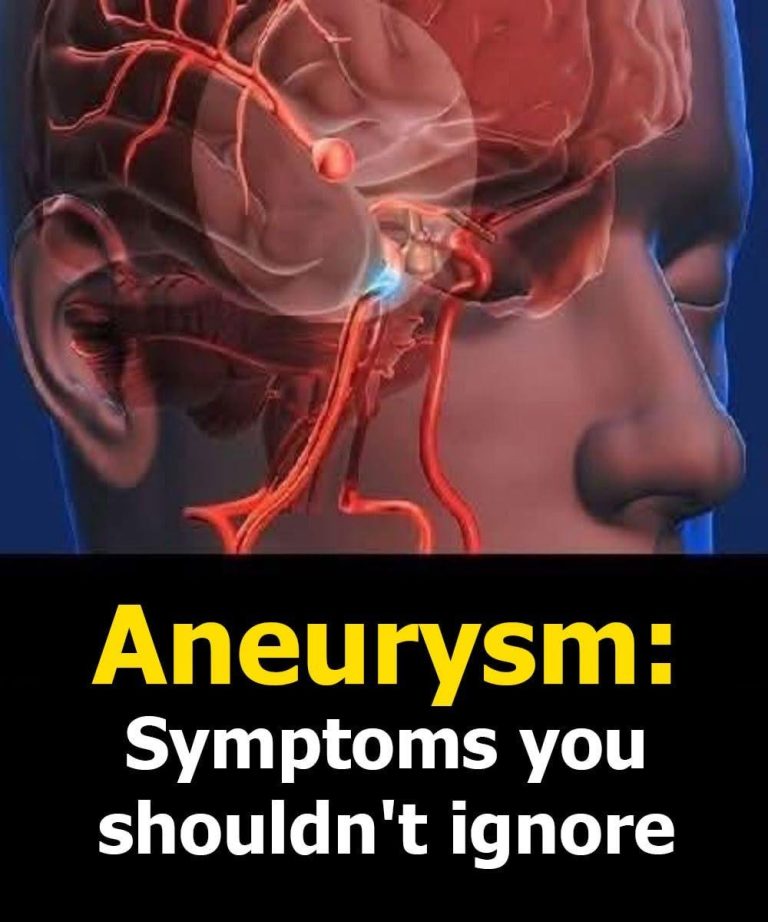
A brain aneurysm (also known as a cerebral or intracranial aneurysm) is a localized bulging or weakening in the wall of a brain artery. Often compared to a thin spot on a rubber balloon, a brain aneurysm can enlarge over time due to constant blood flow pressure. While many small unruptured aneurysms remain completely silent and asymptomatic throughout a person’s life, a ruptured aneurysm is a critical medical emergency requiring immediate, life-saving neurosurgical intervention.
Understanding the early warning signs, risk factors, diagnostic tools, and emergency protocols associated with brain aneurysms can save lives. In this comprehensive medical, neurology, and health guide, we explore the distinct warning symptoms of unruptured and ruptured brain aneurysms, essential lifestyle prevention steps, and how to navigate critical healthcare resources.
What Is a Brain Aneurysm? Anatomy and Risk Factors
Arteries in the brain are responsible for supplying oxygen-rich blood to delicate neural tissues. When a weakened segment of an arterial wall expands outward under blood pressure, it forms an aneurysm. Most brain aneurysms develop at branching points of major arteries located at the base of the brain (the Circle of Willis).
Key Risk Factors Associated with Aneurysms:
Uncontrolled High Blood Pressure (Hypertension): Chronic high blood pressure places continuous stress on arterial walls, accelerating localized weakening.
Cigarette Smoking: Tobacco smoke damages blood vessel linings and promotes inflammation, significantly increasing aneurysm growth and rupture risks.
Family History and Genetics: Individuals with immediate family members who experienced brain aneurysms, or those with genetic disorders like Polycystic Kidney Disease, carry higher baseline risks.
Age and Gender: Brain aneurysms are most frequently diagnosed in adults over 40, with a higher prevalence among women due to hormonal factors.
Ruptured vs. Unruptured Aneurysms: Recognizing the Symptoms
Symptoms of a brain aneurysm depend heavily on whether the bulge is unruptured and pressing on surrounding tissues, or if it has ruptured and caused a subarachnoid hemorrhage (bleeding around the brain).
Critical Symptoms of a Ruptured Brain Aneurysm (Emergency Alert)
A ruptured brain aneurysm releases blood into the space surrounding the brain, creating an immediate, severe health crisis. Seek emergency medical services (call 911) instantly if someone experiences:
A Sudden, Excruciating “Thunderclap” Headache: Frequently described by patients as the “worst headache of my life,” arriving at peak intensity within seconds.
Sudden Stiff Neck and Facial Pain: Severe stiffness in the back of the neck accompanied by sensitivity to bright light (photophobia).
Nausea and Explosive Vomiting: Triggered by rapid increases in intracranial pressure.
Blurred or Double Vision: Sudden vision changes, drooping eyelids, or dilated pupils.
Loss of Consciousness or Seizures: Confusion, weakness on one side of the body, fainting, or sudden neurological collapse.
Subtle Warning Signs of an Unruptured Brain Aneurysm
An unruptured aneurysm may produce subtle “warning leak” symptoms or exert physical pressure on surrounding brain nerves:
Pain Above or Behind One Eye: Persistent localized throbbing behind an eye socket.
Dilated Pupil or Drooping Eyelid: Unilateral facial nerve compression causing asymmetrical facial features.
Numbness or Weakness: Mild tingling or reduced feeling on one side of the face.
Sudden Changes in Vision: Diplopia (double vision) or difficulty focusing.
Diagnostic Testing and Modern Medical Treatments
When a brain aneurysm is suspected, specialized neuro-imaging allows physicians to locate, measure, and evaluate the bulge precisely:
Common Diagnostic Tools:
CT Scan (Computed Tomography) and CTA: Quick emergency scans to detect blood leakage around the brain.
MRI and MRA (Magnetic Resonance Angiography): Detailed imaging used to evaluate unruptured aneurysms and tissue health.
Cerebral Angiogram: An invasive, highly detailed catheter X-ray providing exact visual maps of brain blood vessels.
Treatment Options:
Endovascular Coiling: A minimally invasive procedure where tiny platinum coils are threaded into the aneurysm via a leg catheter, stopping blood flow into the bulge.
Surgical Clipping: A traditional neurosurgical procedure where a small metal clip is placed across the neck of the aneurysm to seal off blood flow.
Observation and Lifestyle Monitoring: Very small, unruptured aneurysms may be monitored periodically while managing blood pressure strictly.
Healthcare Coverage, Emergency Preparedness, and Prevention
Managing cardiovascular and neurological health requires proactive medical oversight. Maintaining healthy blood pressure through balanced nutrition, low sodium intake, regular cardiovascular exercise, and smoking cessation significantly reduces arterial degradation.
Additionally, ensuring robust health insurance coverage provides crucial financial protection in the event of emergency medical care, intensive care unit (ICU) stays, complex neurosurgery, or specialized rehabilitation therapies.
Frequently Asked Questions (FAQ)
What triggers a brain aneurysm to rupture?
While many ruptures occur without a clear trigger, sudden spikes in blood pressure caused by extreme physical exertion, intense emotional stress, or heavy lifting can cause a weakened vessel wall to give way.
Can stress cause a brain aneurysm?
Chronic stress contributes to long-term high blood pressure, which weakens blood vessels over time. However, stress alone does not directly create an aneurysm without underlying arterial wall weakness.
Is a brain aneurysm the same as a stroke?
A ruptured brain aneurysm is a specific type of stroke known as a hemorrhagic stroke. It occurs when a blood vessel bursts, unlike an ischemic stroke, which is caused by a blocked
