
Understanding Ocular Parasites: Demodex Mites, Eye Health, and Prevention
Introduction
Eye health is an essential component of overall physical well-being, yet many microscopic organisms inhabit our skin and eyelashes without ever being noticed. Among these tiny residents are Demodex mites, specialized microscopic creatures that naturally live in or near hair follicles. While they are usually harmless in small numbers, an overpopulation can lead to noticeable discomfort, irritation, and medical concerns requiring professional attention. Understanding these microscopic organisms helps demystify everyday ocular hygiene and promotes better long-term eye health.
The Biology of Demodex Mites
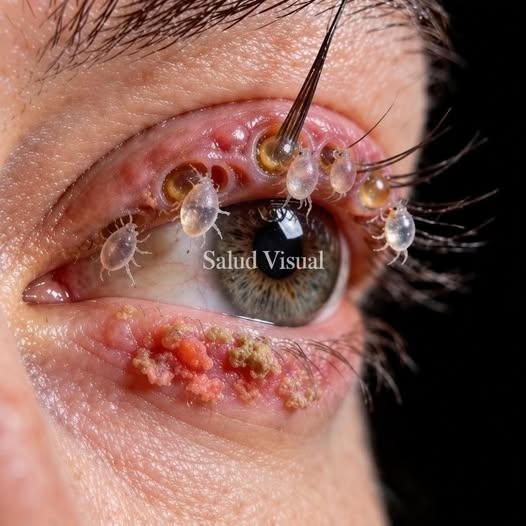
Demodex mites are tiny arachnids that feed on dead skin cells, sebum, and oils secreted by glands around the eyes and face. Under normal circumstances, humans coexist with these mites peacefully. However, when populations multiply rapidly, they can block eyelash follicles, cause localized inflammation, and lead to dry, itchy, or irritated eyelids.
From a health and medical perspective, persistent eyelid irritation can sometimes require professional intervention from optometrists or ophthalmologists. Proper diagnosis ensures that treatments—ranging from specialized eyelid cleansers to prescribed topical medications—are applied effectively. Managing these conditions early prevents complications that might otherwise affect daily comfort and vision quality.
Common Symptoms of Ocular Mite Overgrowth
Chronic Itching and Burning
A persistent itchy or burning sensation along the lash line, especially upon waking up in the morning, is a frequent sign of mite accumulation.
Eyelid Inflammation and Redness
Swelling, redness, and crusting around the base of the eyelashes can indicate blepharitis linked to Demodex activity.
Flaking and Lash Loss
As mites burrow and feed near the roots, individual eyelashes may become brittle, sparse, or fall out prematurely.
Practical Tips for Maintaining Eyelid Hygiene
Keeping your eyes and eyelids clean is the most effective way to manage and prevent microscopic overgrowth:
-
Daily Eyelid Cleansing: Use gentle, doctor-recommended eyelid wipes or specialized tea tree oil cleansers to remove excess oils and debris from the lash line.
-
Proper Makeup Removal: Always remove all eye makeup completely before going to sleep to prevent trapping oils that mites feed on.
-
Wash Pillowcases Regularly: Frequently washing bedding and pillowcases in hot water helps eliminate trapped skin cells and oils.
-
Consult Eye Care Professionals: Schedule routine eye exams to catch early signs of blepharitis or dry eye syndrome before symptoms worsen.
Interesting Facts About Skin Micro-Organisms
-
Microscopic Residents: The human body hosts trillions of microorganisms, including bacteria, fungi, and mites, which form a complex ecosystem known as the microbiome.
-
Nighttime Activity: Demodex mites are nocturnal, typically migrating to the surface of the skin at night to mate before returning to the hair follicles by dawn.
-
Universal Presence: Studies show that nearly all adults harbor some level of Demodex mites, with prevalence rates increasing naturally with age.
Conclusion
While the idea of microscopic creatures living near your eyelashes can be unsettling, they are a normal part of human biology. Recognizing the signs of overgrowth and maintaining consistent eyelid hygiene protects your eye health and ensures lasting comfort. Staying informed empowers you to take proactive steps toward better personal care.
FAQ Section
What are Demodex mites?
Demodex mites are microscopic, worm-like arachnids that live in human hair follicles, particularly around the face, eyelashes, and eyebrows, feeding on dead skin cells and oils.
How do I know if I have too many eyelid mites?
Symptoms of an overgrowth include chronic itching, redness, inflammation, burning sensations, crusting at the base of the lashes, and occasional eyelash loss.
Can eyelid mites be treated at home?
Mild cases can often be managed with daily eyelid hygiene, specialized cleansers, and tea tree oil wipes, but persistent symptoms require evaluation by an eye care specialist.
