
The Psychology of Unique Baby Names: Trends, Naming Patterns, and Cultural Shifts
Introduction
Choosing a name for a child is one of the most significant decisions parents make, shaping identity, social perception, and personal expression throughout life. In recent years, naming conventions have shifted dramatically away from traditional, ultra-common monikers toward unique, rare, and invented names that stand out. Understanding how naming trends evolve provides a fascinating glimpse into modern culture, sociology, and digital media influence.
The Evolution of Naming Trends
Throughout history, baby names followed predictable cyclical patterns, often honoring family members, historical figures, or religious saints. However, modern parents increasingly view a name as a form of personal brand or artistic expression. The desire for individuality has driven a surge in rare names, vintage revivals, and unique spellings.
From a broader sociological and educational perspective, distinctive names can influence social interactions, classroom dynamics, and professional introductions. While some studies suggest that unique names can foster a strong sense of individuality, others highlight potential challenges children might face with pronunciation or spelling in formal environments.
Factors Driving Rare Name Popularity
Pop Culture and Media Influence
Television shows, films, books, and viral internet content frequently introduce audiences to uncommon names, instantly propelling obscure choices into national or global popularity charts.
The Search for Exclusivity
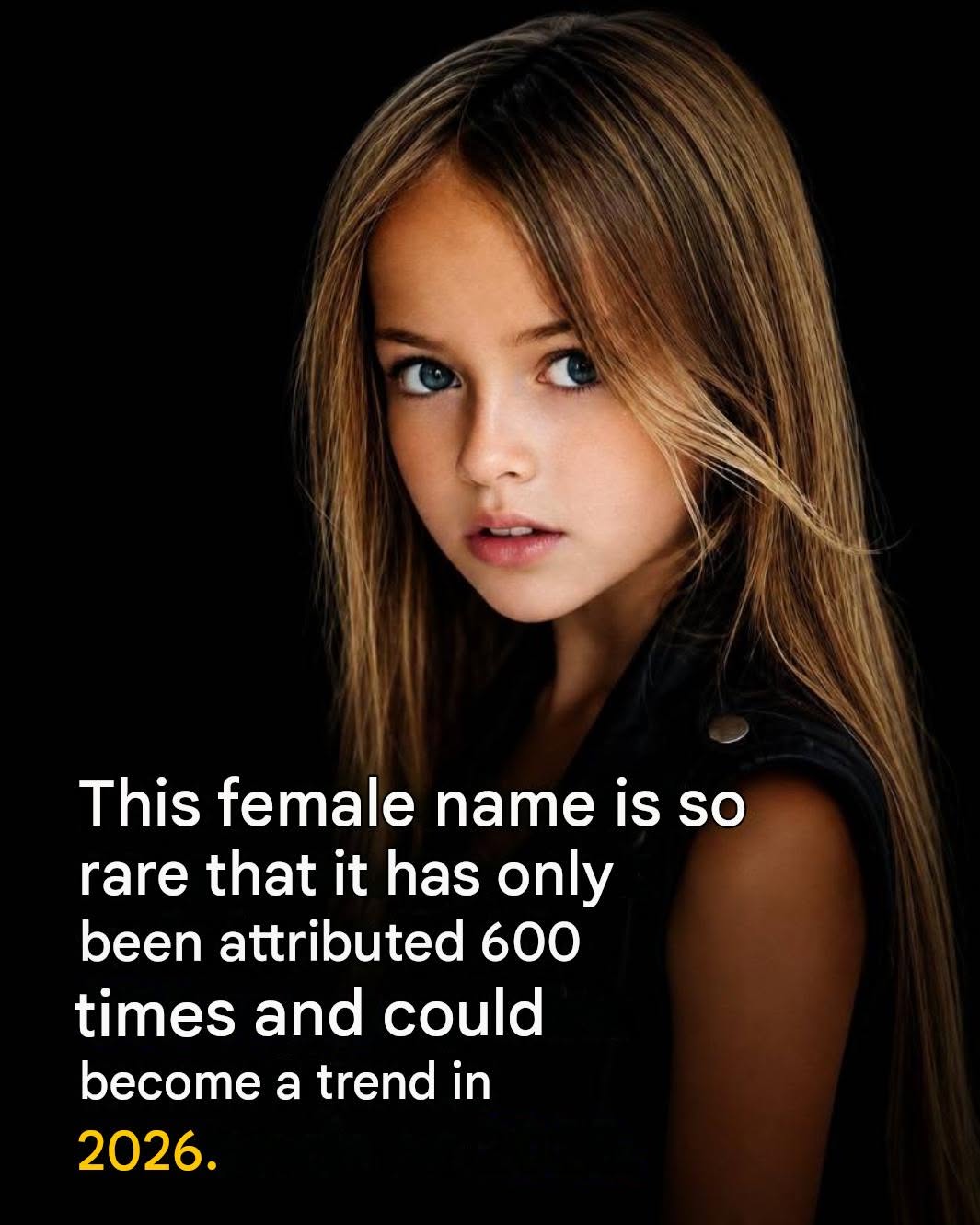
Many modern parents actively search government registries, historical archives, and international databases for names attributed to only a few hundred people to ensure their child has a truly unique identity.
Cultural Blending and Globalization
As multicultural communities expand, parents blend linguistic traditions, creating novel phonetic combinations that break traditional cultural boundaries.
Practical Tips for Choosing a Unique Name
If you are exploring rare names for a future family member or conducting linguistic research, consider these practical guidelines:
-
Pronunciation Check: Ensure the name is relatively intuitive to pronounce so the child does not spend a lifetime correcting others.
-
Initials and Acronyms: Check what the initials spell out to avoid unintentional humor or awkward monograms.
-
Future-Proofing: Consider how the name sounds across different life stages, from a playful toddler to a corporate executive.
-
Check Registry Data: Look up national statistics or registry records to see how many people share the name globally.
Interesting Facts About Naming Conventions
-
The Power of Sound: Phonetic studies indicate that certain vowel and consonant sounds are universally perceived as warm or powerful, subconsciously influencing how names are received.
-
Legal Restrictions: Some countries enforce strict government lists of approved baby names to protect children from potentially embarrassing or burdensome monikers.
-
Trend Forecasting: Data analysts use social media engagement, search engine queries, and registry filings to accurately predict which rare names will surge in popularity each year.
Conclusion
The fascination with rare and emerging names reflects our ongoing desire for originality and distinction. Whether a name is chosen for its melodic sound, cultural roots, or extreme rarity, it remains a powerful cornerstone of personal identity. Balancing uniqueness with practicality ensures that a name is both a proud badge of individuality and a gift of ease for the future.
FAQ Section
Why are rare baby names becoming so popular?
Modern parents increasingly value individuality and self-expression, leading them to seek out uncommon, vintage, or globally inspired names rather than traditional choices.
Can a rare name negatively impact a child?
While most children grow to love their unique names, overly complex spellings or difficult pronunciations can occasionally lead to miscommunications in school or professional settings.
How can I find out how many people share a specific name?
Government statistical agencies, national registry offices, and specialized genealogy databases maintain public records detailing historical name frequencies and distributions.
