
The thyroid gland acts as the body’s metabolic control center, producing hormones that regulate energy production, weight, heart rate, and temperature. Because thyroid disorders—such as hypothyroidism, hyperthyroidism, and Hashimoto’s thyroiditis—affect millions of people worldwide, interest in natural dietary solutions has surged.
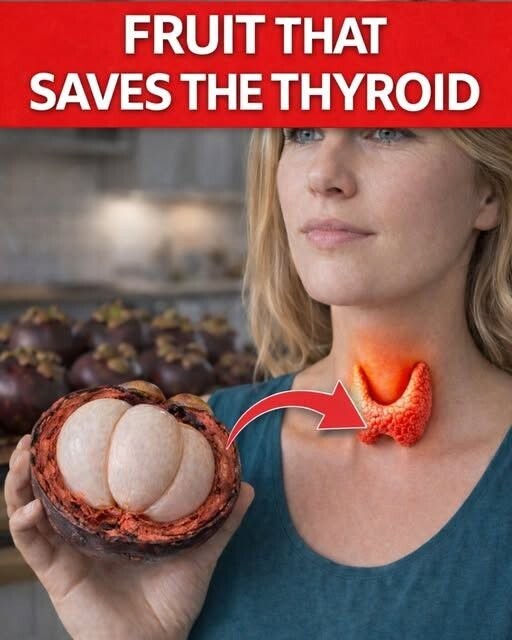
Viral social media posts often showcase exotic fruits like mangosteen alongside bold claims that they can “save” or cure the thyroid. While fruits rich in antioxidants provide general nutritional support, managing endocrine health requires an understanding of real dietary science versus social media hype. In this guide, we break down what mangosteen offers, essential nutrients for thyroid health, and evidence-based ways to support your endocrine system naturally.
The Science of Mangosteen: Superfood or Hype?
The fruit featured in viral thyroid posts is mangosteen (Garcinia mangostana), a tropical fruit native to Southeast Asia known for its dark purple rind and soft, white segments.
What Mangosteen Provides:
-
Rich in Xanthones: Mangosteen contains a unique class of polyphenolic compounds called xanthones, which demonstrate strong antioxidant and anti-inflammatory properties in laboratory settings.
-
Cellular Protection: Antioxidants help neutralize oxidative stress and free radicals throughout the body, including the thyroid gland.
-
Essential Vitamins: It offers a source of vitamin C, folate, and dietary fiber, supporting general immune function and gut health.
What the Claims Get Wrong:
There is no clinical medical evidence proving that mangosteen can “save,” regenerate, or single-handedly cure thyroid conditions. Thyroid health depends on specific micronutrients—such as iodine, selenium, zinc, and tyrosine—none of which are found in high concentrations in mangosteen alone.
Key Nutrients Essential for Thyroid Function
Instead of relying on a single fruit, a truly thyroid-supportive diet focuses on essential minerals and vitamins:
+-------------------------------------------------------------------+
|                     THYROID NUTRITION BASIS                       |
| Thyroid hormones rely on specific micronutrients (Iodine,         |
| Selenium, Zinc) to synthesize and convert active hormones T3 & T4!|
+-------------------------------------------------------------------+
1. Iodine
Iodine is the essential building block for thyroid hormones ($T_3$ and $T_4$). Sources include iodized salt, seaweed, eggs, and dairy products.
2. Selenium
Selenium protects the thyroid gland from oxidative stress during hormone production and aids in converting $T_4$ into active $T_3$. Excellent sources include Brazil nuts, sunflower seeds, and seafood.
3. Zinc and Iron
These minerals support hormone synthesis and cellular receptor sensitivity. Found in lean meats, legumes, pumpkin seeds, and spinach.
Dietary Claims vs. Scientific Evidence
| Claim / Topic | Scientific Fact | Recommended Action |
| Mangosteen Cures Thyroid Disease | Unsupported (Antioxidants support health, but do not cure medical disorders) | Enjoy mangosteen as part of a balanced, varied diet |
| Iodine-Rich Foods Support Thyroid | Supported (Essential for $T_3$ and $T_4$ hormone synthesis) | Consume moderate iodine through seafood, dairy, or iodized salt |
| Selenium Protects Gland Tissue | Supported (Reduces autoantibodies in autoimmune thyroid issues) | Eat 1–2 Brazil nuts daily to meet basic selenium needs |
| Goitrogens Harm All Thyroid Patients | Partially Myth (Raw cruciferous vegetables affect iodine absorption only in massive quantities) | Cook broccoli, cabbage, and kale to reduce goitrogenic effects |
Financial, Health, and Lifestyle Advantages
Taking a balanced approach to endocrine and thyroid health provides major long-term benefits:
-
Preventive Metabolic Care: Supporting hormone balance optimizes metabolic efficiency, preventing long-term complications and minimizing out-of-pocket medical costs and routine specialist treatments covered by health insurance.
-
Sustained Daily Vitality: Proper thyroid function prevents chronic fatigue, mood fluctuations, and brain fog, maintaining daily productivity and professional performance.
-
Smart Wellness Spending: Focusing on accessible whole-food sources rather than expensive niche supplements keeps grocery budgets efficient, preserving financial resources for long-term investment, retirement, or education goals.
Conclusion
Exotic fruits like mangosteen provide excellent antioxidant protection and delicious flavor, but they are not magic cures for complex endocrine conditions. Protecting your thyroid requires a comprehensive lifestyle approach: getting key micronutrients like iodine and selenium, reducing chronic stress, and working alongside healthcare professionals for proper diagnostics!
Frequently Asked Questions (FAQ)
Can eating mangosteen replace thyroid medication?
No. Synthetic or natural thyroid hormone replacements (like levothyroxine) provide hormones your body is unable to make. Dietary changes or superfruits cannot replace prescribed endocrine medication.
Which fruits are best for thyroid health?
Berries (blueberries, strawberries), apples, oranges, and avocados are great choices. They provide antioxidants, fiber, and essential vitamins without causing sharp blood sugar spikes.
Are raw cruciferous vegetables dangerous for hypothyroidism?
Cruciferous vegetables (like broccoli, cauliflower, and kale) contain goitrogens, which can interfere with iodine uptake if eaten raw in extremely large quantities. Normal cooked portions are safe and healthy for people with thyroid conditions.
What are the main symptoms of an underactive thyroid (hypothyroidism)?
Common signs include persistent fatigue, unexplained weight gain, dry skin, hair thinning, sensitivity to cold temperatures, joint pain, and sluggish digestion.
