
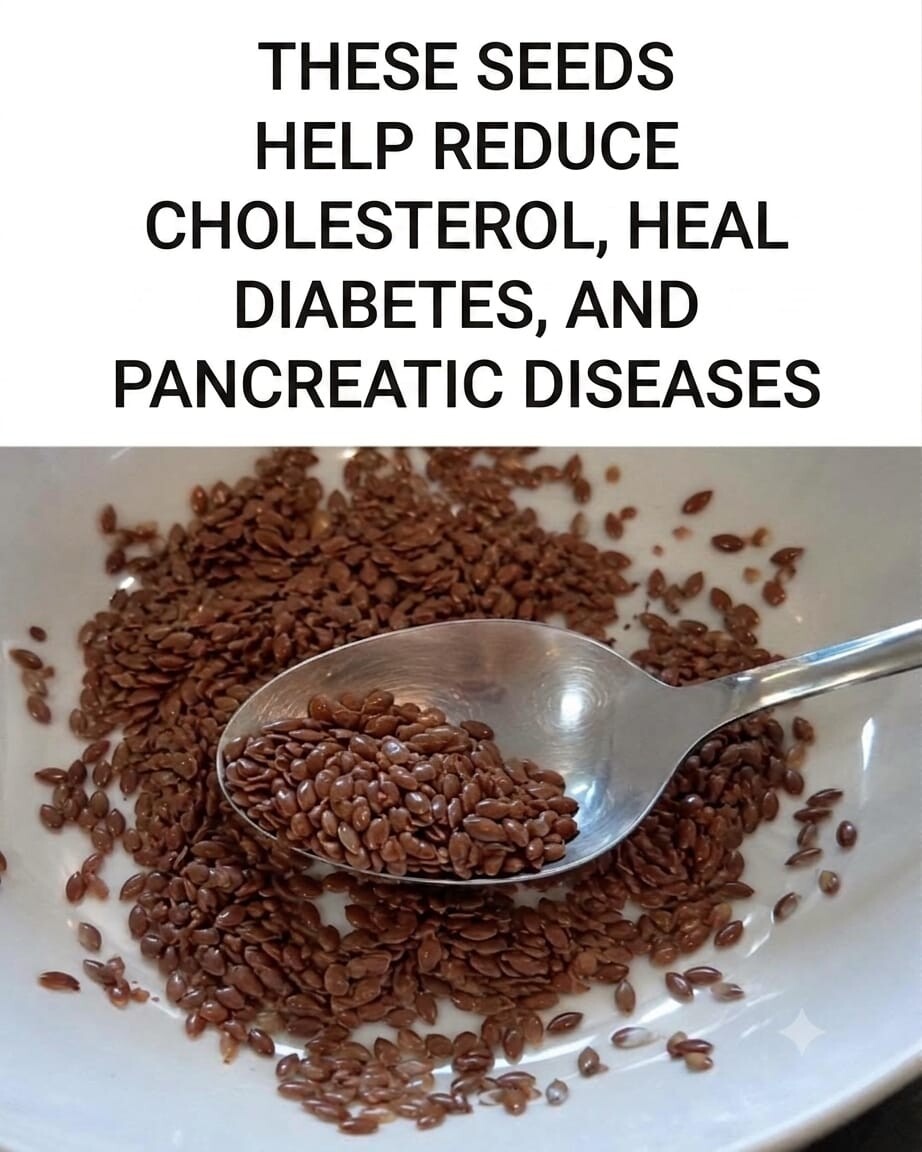

The pancreas plays an essential role in digestion and metabolic regulation, producing vital enzymes to break down food and releasing insulin to maintain balanced blood sugar levels. When pancreatic function is compromised—whether due to poor dietary habits, chronic stress, or underlying health conditions—it can lead to fatigue, digestive discomfort, and metabolic imbalances such as diabetes.
While social media graphics often promote specific seeds or superfoods as miracle cures that can “heal diabetes,” true pancreatic health depends on consistent, evidence-based lifestyle habits. In this comprehensive wellness guide, we break down four natural strategies to protect your pancreas, support sustainable energy levels, and clarify the real science behind dietary claims.
The Truth About Flaxseeds and Pancreatic Health
The seeds shown in viral health posts are flaxseeds (linseeds), known for their rich nutritional profile containing alpha-linolenic acid (an omega-3 fatty acid), soluble fiber, and lignans.
What Science Supports:
-
Cholesterol Support: The soluble fiber in flaxseeds binds to bile acids in the digestive system, helping lower LDL (“bad”) cholesterol levels.
-
Blood Sugar Management: High fiber content slows carbohydrate digestion, helping prevent rapid blood sugar spikes after meals.
-
Antioxidant Action: Lignans provide antioxidant benefits that help reduce systemic inflammation throughout the body.
What the Claims Get Wrong:
While flaxseeds are a valuable addition to a balanced diet, claims that they can single-handedly “heal” or “cure” medical conditions like type 1 or type 2 diabetes or chronic pancreatic diseases are medically inaccurate. Metabolic disorders require comprehensive medical management, prescribed treatment plans, and overall dietary adjustments.
4 Natural Ways to Protect Your Pancreas & Boost Energy
To support long-term pancreatic function and maintain steady energy throughout the day, focus on these fundamental health habits:
+-------------------------------------------------------------------+
|                        PANCREATIC WELLNESS                        |
| Sustainable energy comes from consistent metabolic support—not    |
| quick-fix superfoods or unverified single-ingredient cures!       |
+-------------------------------------------------------------------+
1. Adopt a Fiber-Rich, Low-Glycemic Diet
Focus on complex carbohydrates, vegetables, legumes, and whole seeds (like flax or chia). Foods low on the glycemic index prevent drastic blood glucose spikes, reducing the workload placed on the pancreas to produce insulin.
2. Limit Refined Sugars and Processed Fats
Diets high in added sugars and saturated fats increase the risk of insulin resistance, fatty liver, and elevated triglycerides—a primary risk factor for acute pancreatitis.
3. Stay Hydrated and Moderate Alcohol Consumption
Chronic alcohol intake is one of the leading causes of pancreatic inflammation (pancreatitis). Staying well-hydrated supports enzyme transport and overall digestive efficiency.
4. Engage in Regular Physical Activity
Moderate daily exercise improves insulin sensitivity in muscle tissue, allowing your body to process glucose more efficiently without overworking pancreatic beta cells.
Comparing Dietary Claims vs. Scientific Evidence
| Claimed Benefit | Scientific Fact | Recommended Action |
| Lowers Cholesterol | Supported (Soluble fiber binds cholesterol) | Incorporate ground flaxseeds into oatmeal or smoothies |
| Heals Diabetes | Unsupported (Helps manage blood sugar, but does not cure) | Use as part of a medically supervised diabetic meal plan |
| Cures Pancreatitis | Unsupported (Requires professional medical care) | Seek clinical evaluation for abdominal pain or digestive distress |
| Sustains Energy | Supported (Prevents sharp blood sugar crashes) | Pair healthy fats and fiber with balanced meals |
Financial, Health, and Lifestyle Advantages
Prioritizing metabolic wellness provides long-term health and financial stability:
-
Preventive Health Benefits: Maintaining healthy blood sugar and cholesterol levels lowers the risk of chronic cardiovascular and metabolic conditions, reducing long-term medical expenses and optimizing personal health insurance coverage.
-
Consistent Daily Productivity: Avoiding insulin spikes and blood sugar crashes ensures stable mental focus and energy, supporting professional performance and daily quality of life.
-
Smart Wellness Investments: Investing in affordable, whole-food staples like seeds, vegetables, and grains keeps grocery spending efficient, preserving capital for long-term investment, retirement, or education goals.
Conclusion
Protecting your pancreas and maintaining natural energy levels does not require miracle cures. By adding nutrient-dense ingredients like flaxseeds to a diet rich in whole foods, staying active, and avoiding excessive alcohol and refined sugars, you provide your body with the solid foundation needed for lasting metabolic health!
Frequently Asked Questions (FAQ)
Should flaxseeds be eaten whole or ground?
Ground flaxseeds are much easier for your body to digest. Whole seeds often pass through the digestive tract unabsorbed, preventing your body from accessing their beneficial omega-3s and nutrients.
Can diet alone reverse diabetes?
While lifestyle modifications—such as weight loss, a low-glycemic diet, and regular exercise—can place type 2 diabetes into remission for some individuals, it requires comprehensive management under medical supervision rather than relying on individual foods.
What are the main warning signs of pancreatic stress?
Symptoms of pancreatic issues can include persistent severe upper abdominal pain (often radiating to the back), nausea, unexplained weight loss, oily or floating stools, and jaundice.
How much flaxseed should I consume daily?
A standard daily intake is about 1 to 2 tablespoons (10 to 20 grams) of ground flaxseed, taken with plenty of water.
