
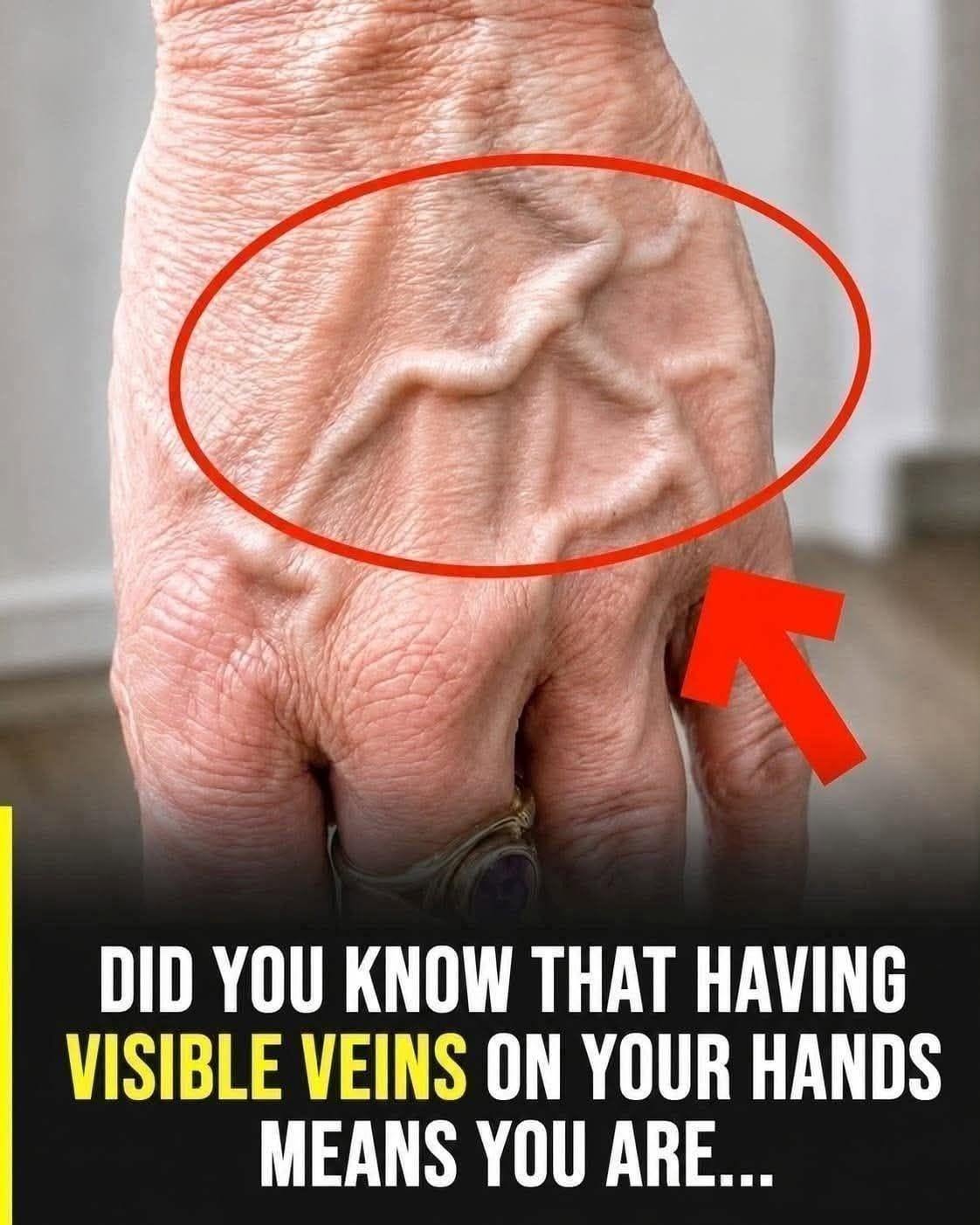
Prominent, bulging veins on the back of the hands are an extremely common sight, especially as people get older. Viral social media posts often use dramatic clickbait images—asking “Did you know that having visible veins on your hands means you are…”—to spark alarm and promote questionable circulation supplements or quick-fix creams.
In reality, prominent hand veins are rarely a sign of a dangerous cardiovascular condition. Instead, they are usually a harmless result of natural physiological changes, skin genetics, or everyday lifestyle factors. In this comprehensive guide, we break down what causes visible hand veins, when they are completely normal, and when to seek medical evaluation.
Why Do Hand Veins Become More Visible?
Several natural physical and physiological factors cause the veins on the back of your hands to bulge or look more pronounced:
1. Natural Aging and Thinning Skin
As we age, the skin on the back of the hands naturally loses elasticity and collagen, becoming significantly thinner. Additionally, the subcutaneous fat layer beneath the skin thins over time, making superficial veins far more visible against the bone and muscle structure.
2. Loss of Vascular Muscle Tone
Veins contain one-way valves that help push blood back up toward the heart. Over time, vein walls and valves gradually lose elasticity, causing blood to pool slightly in superficial vessels and making them appear raised or bulging.
3. Low Body Fat Percentage
Individuals with lower overall body fat have less tissue padding covering their blood vessels. As a result, veins on the hands, forearms, and feet naturally stand out more.
4. Heat, Exercise, and Physical Activity
-
Temperature: In warm weather, blood vessels dilate (vasodilation) to help cool the body down, causing veins to swell and pop out.
-
Exercise: Physical activity increases blood flow and systemic blood pressure, expanding vein walls and pushing them closer to the skin surface.
Causes of Visible Hand Veins Compared
| Primary Factor | Underlying Mechanism | Medical Concern Level | Action Recommended |
| Aging & Collagen Loss | Thinning skin & reduced fat padding | Harmless (Normal aging) | Use moisturizing sunscreen & hand care |
| Low Body Fat | Lack of subcutaneous tissue coverage | Harmless (Physiological) | Maintain balanced nutrition |
| Warm Weather / Exercise | Temporary vasodilation & blood volume expansion | Harmless (Temporary response) | Cool down and hydrate |
| Superficial Phlebitis / DVT | Localized vein inflammation or blood clot | High (If accompanied by severe pain/swelling) | Seek prompt clinical medical evaluation |
When Should You Consult a Doctor?
While prominent hand veins are almost always benign, you should seek a professional medical opinion if you experience any of the following warning signs:
+-------------------------------------------------------------------+
|                        MEDICAL ALERT CHECK                        |
| Seek immediate medical evaluation if hand veins are accompanied    |
| by sudden severe pain, redness, swelling, warmth, or bleeding!    |
+-------------------------------------------------------------------+
-
Sudden Onset with Pain or Swelling: If a vein becomes suddenly swollen, hard, red, or painful to the touch (signs of superficial thrombophlebitis).
-
Skin Changes or Ulcerations: Discoloration, breakdown, or sores forming on the skin surrounding the visible veins.
-
Asymmetrical Swelling: Significant swelling in only one hand or arm, which could indicate a venous blockage or lymphatic drain issue.
Financial, Health, and Daily Lifestyle Benefits
Understanding your vascular health provides clarity and helps protect long-term wellness:
-
Preventing Unnecessary Expense: Recognizing that prominent hand veins are usually harmless prevents wasting money on unproven “vein repair” supplements, protecting household funds for long-term investment, retirement, or family education goals.
-
Early Detection of Vascular Issues: Knowing true warning signs ensures timely clinical evaluation for genuine circulation problems, protecting overall health and minimizing advanced medical treatment costs covered under health insurance.
-
Peace of Mind & Confidence: Understanding the normal physiological aging process eliminates unnecessary health anxiety and allows you to focus on effective, evidence-based self-care.
Conclusion
Visible, raised veins on your hands are almost always a completely normal part of aging, thin skin, low body fat, or warm temperatures. Unless accompanied by sudden pain, redness, or swelling, they are a cosmetic reflection of your body’s natural anatomy rather than a medical emergency!
Frequently Asked Questions (FAQ)
Are visible hand veins a sign of high blood pressure?
No. Prominent hand veins are located in the superficial venous system, whereas high blood pressure (hypertension) affects the arterial system deep within the body. Having visible hand veins does not mean you have high blood pressure.
Can you get rid of visible hand veins for cosmetic reasons?
Yes. Cosmetic dermatologists and vascular specialists offer minimally invasive procedures—such as sclerotherapy, laser treatment, or dermal filler injections—to minimize the appearance of bulging hand veins.
How does dehydration affect hand veins?
Dehydration can actually make veins appear more pronounced or flattened depending on blood volume changes, but chronically poor hydration lowers overall skin fullness, making underlying structures like veins more noticeable.
Does lifting weights cause permanent bulging hand veins?
Weightlifting increases muscle mass and reduces subcutaneous fat, while temporarily expanding blood vessels during workouts. Over time, consistent resistance training makes veins naturally more visible, which is a sign of low body fat and strong vascular flow rather than disease.
