
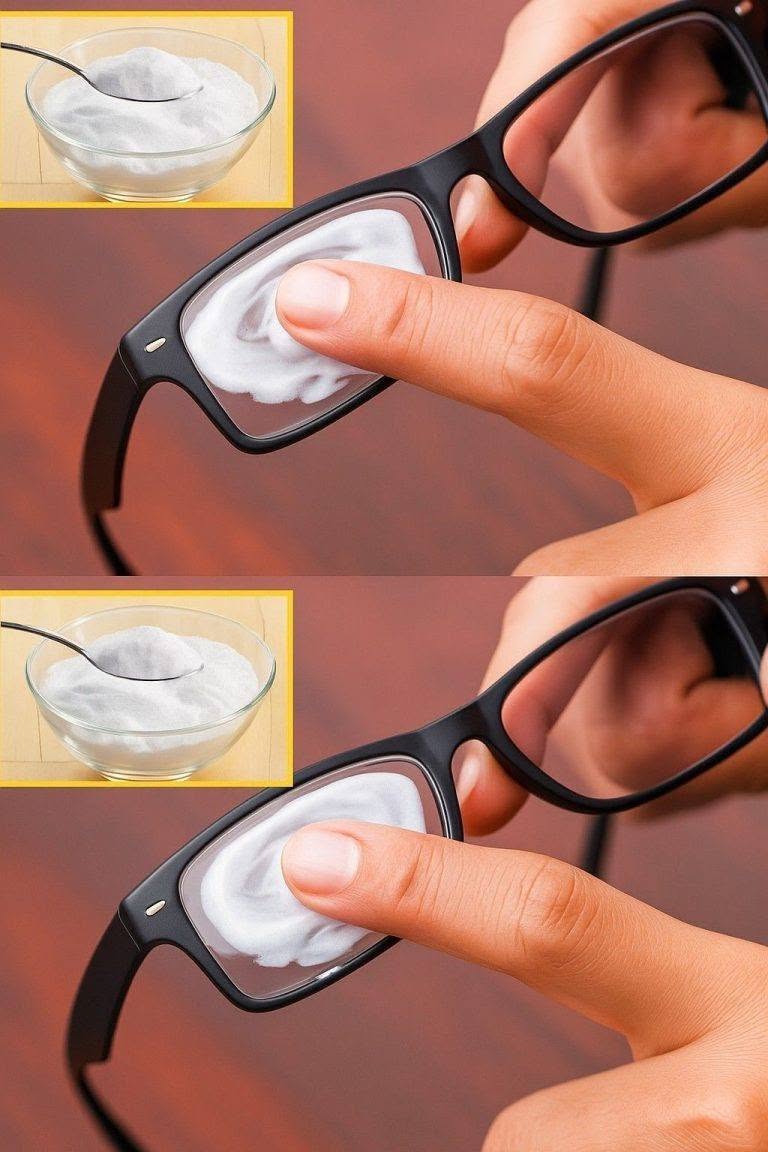
Scratched eyeglasses are a frustrating everyday problem. Whether caused by accidental drops, improper cleaning with shirt hems, or debris inside a protective case, small scuffs on your lenses can blur vision, cause light glare, and trigger eye strain.
A popular viral trick claims that rubbing a paste made of baking soda and water over your eyeglass lenses will buff out scratches in seconds. While baking soda is a beloved mild abrasive for kitchen counters and household grime, applying it to modern prescription lenses can actually destroy expensive lens treatments. In this optical guide, we break down why the baking soda hack fails, how modern lenses work, and safe ways to care for your glasses.
The Science of Modern Eyeglass Lenses
To understand why abrasive hacks damage glasses, it helps to look at how modern prescription lenses are constructed:
-
Plastic and Polycarbonate Materials: Modern lenses are almost exclusively made from lightweight plastics or impact-resistant polycarbonate rather than traditional heavy glass.
-
Specialized Coatings: Today’s lenses feature delicate microscopic surface coatings, including anti-reflective (AR) treatments, anti-scratch hard coats, blue-light filters, and UV blocking layers.
-
Abrasive Destruction: Baking soda consists of sharp sodium bicarbonate micro-crystals. Rubbing an abrasive paste onto coated plastic lenses wears off protective anti-glare coatings, creating widespread haze and micro-scratches rather than removing deep marks.
+-------------------------------------------------------------------+
|                        LENS COATING DANGER                        |
| Rubbing abrasive pastes onto plastic lenses strips away protective|
| anti-reflective coatings, leaving a cloudy, permanent haze!      |
+-------------------------------------------------------------------+
DIY Lens Hacks vs. Professional Care
| Method / Solution | How It Works | Lens Safety | Result Expectations |
| Baking Soda Paste | Abrasive crystal scrubbing | Dangerous (Strips anti-reflective coatings) | Permanent cloudiness & micro-scratches |
| Toothpaste (Abrasive) | Silica or calcium abrasive rubbing | Dangerous (Erodes soft plastic surface) | Swirling damage, ruined optical clarity |
| Microfiber & Lens Spray | Gentle surfactant lift with soft fibers | Optimal (Safe for daily cleaning) | Removes smudges, grease, and finger dust |
| Optical Lens Replacement | Fitting new prescription lenses in frames | Professional | Completely restores 100% clear vision |
Safe Daily Eyeglass Care Routine
Instead of risking permanent coating damage with DIY abrasive pastes, protect your eyewear with these optician-approved steps:
-
Rinse Before Wiping: Always rinse your glasses under lukewarm tap water to wash away abrasive dust particles before wiping the lenses.
-
Use Dedicated Lens Cleaners: Spray both sides of the lenses with a mild eyeglass spray or a drop of pH-neutral dish soap, avoiding harsh chemicals like window cleaners or alcohol-based solvents.
-
Wipe Only with Microfiber: Dry your lenses using a clean, lint-free microfiber cloth. Never use paper towels, tissues, or shirt fabrics, which contain coarse wood fibers that scratch plastic over time.
Financial, Health, and Daily Lifestyle Benefits
Taking proper care of your prescription eyewear protects both your wallet and your vision:
-
Preventing Eye Strain & Headaches: Clear, unmarred lenses reduce unwanted glare and distortion, preventing chronic eye fatigue, blurred vision, and tension headaches.
-
Avoiding Unnecessary Replacement Costs: Preserving protective lens coatings extends the lifespan of your glasses, preventing frequent out-of-pocket replacement expenses covered under vision insurance.
-
Smart Eyewear Investment: Protecting high-quality frames and specialized lenses ensures reliable daily performance, preserving household funds for long-term investment, retirement, or family education goals.
Conclusion
Baking soda paste will not remove scratches from modern eyeglass lenses—it will only strip away protective anti-glare coatings and leave your glasses permanently cloudy. To maintain crystal-clear vision, stick to gentle microfiber cloths and dedicated lens cleaners, and visit an optician when scratches interfere with your sight!
Frequently Asked Questions (FAQ)
Can any home remedy permanently fix deep scratches on lenses?
No. Once plastic or polycarbonate lenses are scratched, the physical material is permanently gouged. Buffing or scraping attempts only erode surrounding coatings and plastic, worsening optical distortion.
Why do my glasses look cloudy after trying baking soda or toothpaste?
The abrasive particles in baking soda and toothpaste scrub off delicate anti-reflective (AR) and anti-scratch surface coatings unevenly, creating a rough, light-diffusing haze across the lens surface.
What should I do if my scratched lenses cause eye strain?
If scratches sit directly in your line of sight or create distracting light glare, consult your optometrist or optician. Many vision insurance plans cover lens replacement options or warranty replacements within a specified timeframe.
What is the safest way to store glasses to prevent scratches?
Always place your glasses inside a hard-shell protective case when not in use. Never lay glasses face-down on hard surfaces or leave them loose in bags, pockets, or hot car dashboards.
