
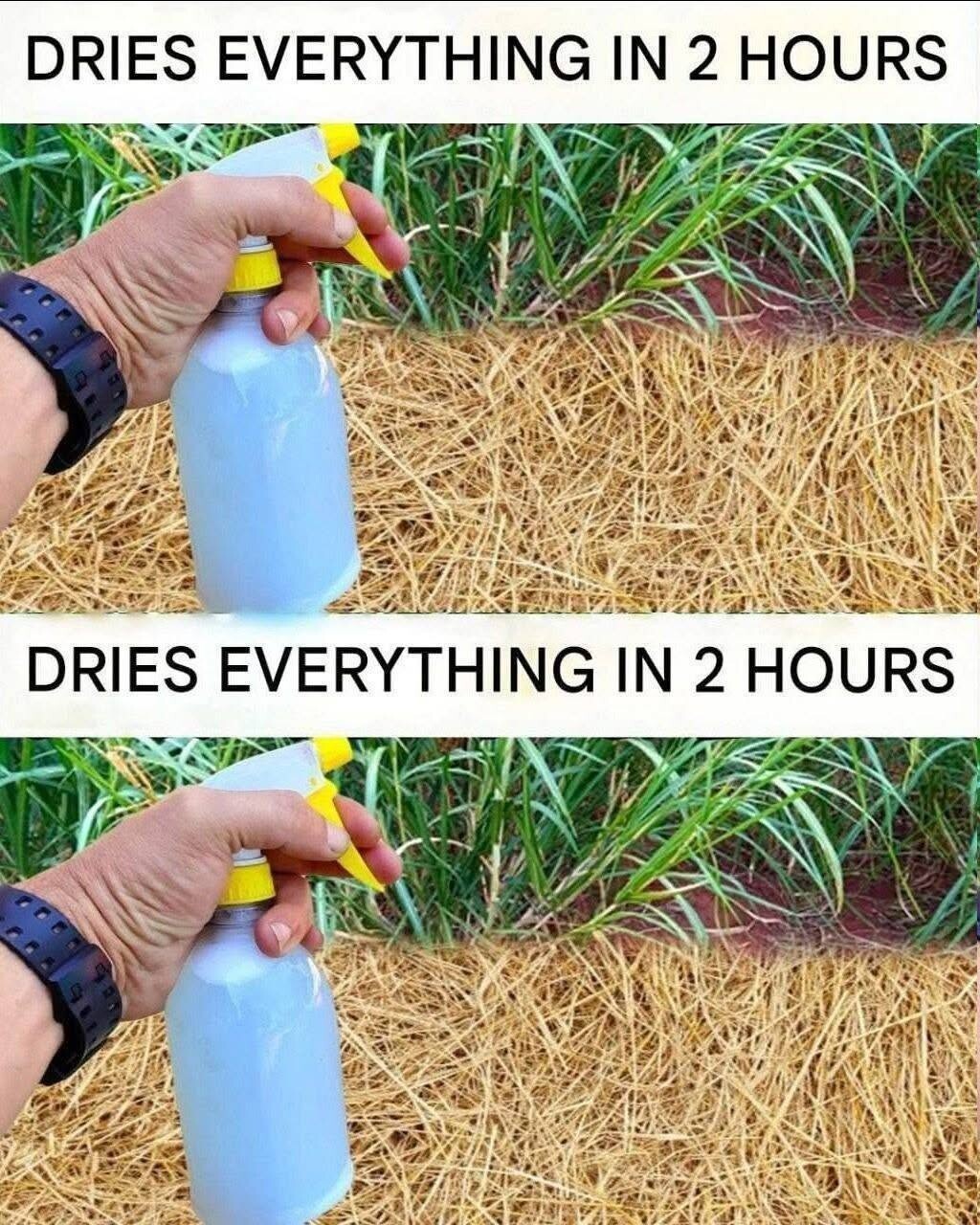
Maintaining a clean garden, driveway, or patio often feels like an endless battle against persistent weeds. Commercial chemical herbicides can be expensive and raise environmental concerns for pet owners and parents. As a result, DIY weed killers made from simple household staples—such as white vinegar, salt, and dish soap—have surged in popularity across social media platforms.
Viral posts often claim these DIY sprays can “dry out and kill weeds in just two hours.” But how effective are these natural remedies, and are there hidden risks to your soil health? In this complete gardening guide, we break down the classic homemade weed killer recipe, the science behind how it works, safe application methods, and long-term soil management strategies.
The Classic Homemade Weed Killer Recipe
The most popular natural weed killer mix relies on three inexpensive pantry items:
+-------------------------------------------------------------------+
|                     HOMEMADE WEED KILLER FORMULA                  |
| Combine 1 gallon white vinegar (5% or 30% acidity), 1 cup table   |
| salt, and 1 tablespoon liquid dish soap in a spray bottle.        |
+-------------------------------------------------------------------+
The Ingredients & How They Work:
-
White Vinegar (Acetic Acid): Acts as a contact desiccant. The acid breaks down the protective wax coating on plant leaves, causing rapid moisture loss and foliage breakdown under sunlight.
-
Table Salt (Sodium Chloride): Draws moisture out of plant tissues via osmosis and disrupts internal hydration, accelerating cell collapse.
-
Liquid Dish Soap: Serves as a surfactant. It reduces the surface tension of the liquid, allowing the spray to cling to smooth leaf surfaces rather than bead up and roll off.
How to Apply Homemade Herbicide Safely
Because non-selective home remedies burn all vegetation they contact, proper application technique is crucial to avoid killing prized garden flowers or grass:
-
Pick a Sunny, Warm Day: Apply the spray on a warm, clear day when temperatures are above 70°F (21°C) and full sunlight is expected. Sunlight accelerates the desiccation process.
-
Target Specific Areas: Use a focused spray nozzle on driveways, gravel pathways, paver cracks, and sidewalk edge gaps where total plant elimination is desired.
-
Avoid Desired Plants & Lawns: Keep the spray away from vegetable patches, flower beds, and turfgrass, as the acetic acid and salt will burn healthy greenery on contact.
Benefits, Limitations, and Soil Health Risks
Before replacing all commercial lawn products, consider the pros and cons of salt-and-vinegar solutions:
| Feature / Factor | Homemade Recipe | Commercial Herbicides |
| Speed of Action | Extremely fast (Visible browning within hours) | Varies (1 to 7 days) |
| Cost & Availability | Very low (Common kitchen ingredients) | Moderate to high |
| Root Impact | Low (Kills top growth; stubborn perennial roots remain) | High (Systemic formulas kill down to the root) |
| Soil Accumulation | High risk if overused (Salt sterilizes soil permanently) | Low residual soil impact for contact formulas |
Financial, Safety, and Eco-Friendly Advantages
Adopting smart, eco-conscious lawn and garden care methods provides lasting lifestyle and financial benefits:
-
Budget Savings: Preparing home alternatives costs a fraction of brand-name chemical herbicides, reducing monthly home maintenance expenses and freeing up capital for long-term investment, retirement, or education goals.
-
Family & Pet Safety: Using food-grade pantry products minimizes exposure to toxic chemical compounds, supporting household health and reducing immediate domestic medical hazards around children and pets.
-
Property Value & Curb Appeal: Keeping walkways, stone patios, and driveway borders clean preserves structural hardscaping and enhances home resale value covered under homeowner insurance policies.
Fascinating Gardening & Science Facts
-
Horticultural Vinegar Power: Standard grocery store white vinegar contains 5% acetic acid, which burns young weeds. Commercial “horticultural vinegar” contains up to 20% to 30% acetic acid—strong enough to require protective eyewear and gloves!
-
The “Salting the Earth” Myth: Ancient historical accounts mention salting captured land to render it sterile. While salt stops weeds fast, repeated use ruins soil structure and prevents future plant growth for years.
-
Boiling Water Trick: Pouring simple boiling water directly onto driveway crack weeds is a zero-chemical, instant way to destroy weed roots without leaving salt residue behind in the soil!
Conclusion
A simple mixture of white vinegar, salt, and dish soap offers a fast, cheap, and effective way to clear unsightly weeds from hardscapes like driveways and stone paths. However, because salt lingers in the ground and prevents future growth, use this solution selectively on non-planting zones to keep your soil healthy and fertile!
Frequently Asked Questions (FAQ)
Can I use homemade weed killer on my lawn?
No. The vinegar and salt mixture is a non-selective herbicide, meaning it will kill your turfgrass along with any weeds it touches.
Will vinegar kill weeds down to the root?
Vinegar is a contact herbicide that destroys top leaves and stems. While it kills young broadleaf annuals completely, deep-rooted perennial weeds (like dandelions) may regrow from surviving root systems.
Is salt safe for garden soil?
In small amounts on driveways, salt is fine. However, heavy salt application accumulates in the soil, raising salinity and making it impossible for desirable plants or flowers to grow in that spot.
How long does it take for vinegar weed spray to work?
Under direct sunlight and warm weather conditions, top foliage browning and drying typically begin within 2 to 4 hours of spraying.
