
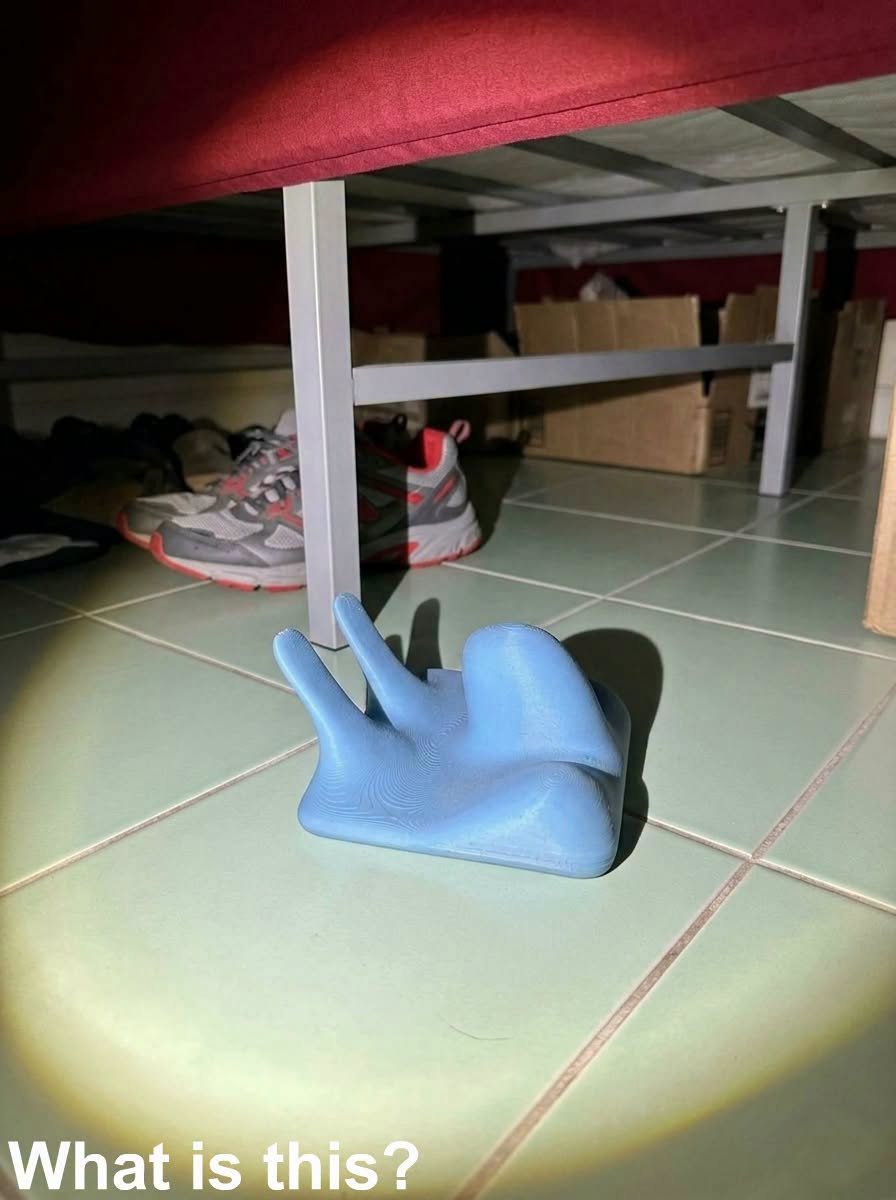
Decoding Mysterious Objects: The Fascinating World of 3D Printing and Home Discoveries
Introduction
Finding an unfamiliar item tucked away in a corner, hidden under furniture, or left behind by a previous occupant can instantly spark curiosity. In the modern age of digital fabrication and rapid prototyping, many of these strange items are products of desktop 3D printing. As hobbyists and creators design custom solutions for everyday problems, homes are increasingly filling up with unique plastic gadgets that leave visitors wondering about their true purpose. Understanding how these objects come to life sheds light on an evolving technological landscape.
The Rise of Custom Desktop Manufacturing
Gone are the days when manufacturing was exclusively reserved for massive industrial factories. Today, affordable desktop machines allow individuals to design and produce custom objects right in their living rooms or garages. Whether someone needs a specialized phone stand, a replacement part for a kitchen appliance, or an ergonomic tool, they can model it digitally and print it layer by layer using thermoplastic filaments.
From an economic and technological standpoint, this accessibility has transformed creative hobbies into micro-businesses. Enthusiasts frequently share their digital blueprints online across open-source communities, allowing anyone with a machine to replicate physical items anywhere in the world. This decentralized approach impacts various sectors, including technology, education, and consumer goods manufacturing.
Common Types of Mysterious Printed Gadgets
Specialized Organizers and Brackets
Many custom-printed items are designed to fit tight, specific spaces, such as mounting brackets for electronics under desks or custom slots for tools inside closets. Their unusual shapes often result from optimizing form to fit a very specific function.
Ergonomic and Comfort Aids
From posture-correcting footrests to customized hand grips and wedge supports, individuals often fabricate items to alleviate physical strain during daily routines or work tasks.
Novelty and Art Pieces
Abstract geometric sculptures, artistic miniatures, and whimsical household items are among the most common prints found around homes, often serving as conversation starters.
Practical Tips for Identifying Unknown Objects
If you stumble upon an unfamiliar gadget in your home or workspace, use these practical steps to figure out what it is:
-
Inspect the Texture and Layers: Look closely for the distinct horizontal lines characteristic of layered deposition modeling, which indicates it was produced on a printer rather than injection-molded.
-
Check for Symmetry and Usability: Test how it interacts with standard household items—does it hold a cable, prop up a device, or fit over a furniture leg?
-
Use Visual Search Tools: Take a clear photo of the object and run it through a reverse image search engine to match it with online design repositories like Thingiverse or Printables.
-
Ask the Creator: If you share a living space, consult family members or roommates who might have downloaded and tested the model.
Interesting Facts About 3D Printing Technology
-
Aerospace Applications: Major engineering firms and technology companies use advanced industrial printers to manufacture lightweight metal components for spacecraft and aircraft engines.
-
Medical Breakthroughs: Bioprinting research is actively exploring how to construct functional human tissue and prosthetics tailored precisely to individual patients.
-
Material Evolution: While early hobbyist machines only used basic plastics, modern filaments can incorporate wood fibers, carbon fiber, and even conductive metals.
Conclusion
Discovering an unusual object tucked away under a bed or on a shelf highlights the creative potential of modern manufacturing. What looks like a mysterious plastic sculpture is often a clever, custom-designed solution crafted by a hobbyist solving a very specific everyday problem. Embracing this curiosity encourages us to explore the intersection of technology, design, and daily life.
FAQ Section
How can I tell if an object is 3D printed?
You can usually identify a 3D-printed object by looking for faint, microscopic ridges or lines running horizontally along its surface, which are created as the machine deposits molten plastic layer upon layer.
Where do people find designs to print these objects?
Creators download open-source digital models from popular online repositories and community platforms where designers share free or paid CAD files.
Can custom printed objects withstand heavy stress or weight?
It depends on the plastic material used (such as PLA, PETG, or ABS) and the internal density settings chosen during the printing process, but many durable plastics can handle significant mechanical load
