
How to Make Your Peace Lily Bloom Continuously: Care Tips, Lighting, and Fertilizer Hacks
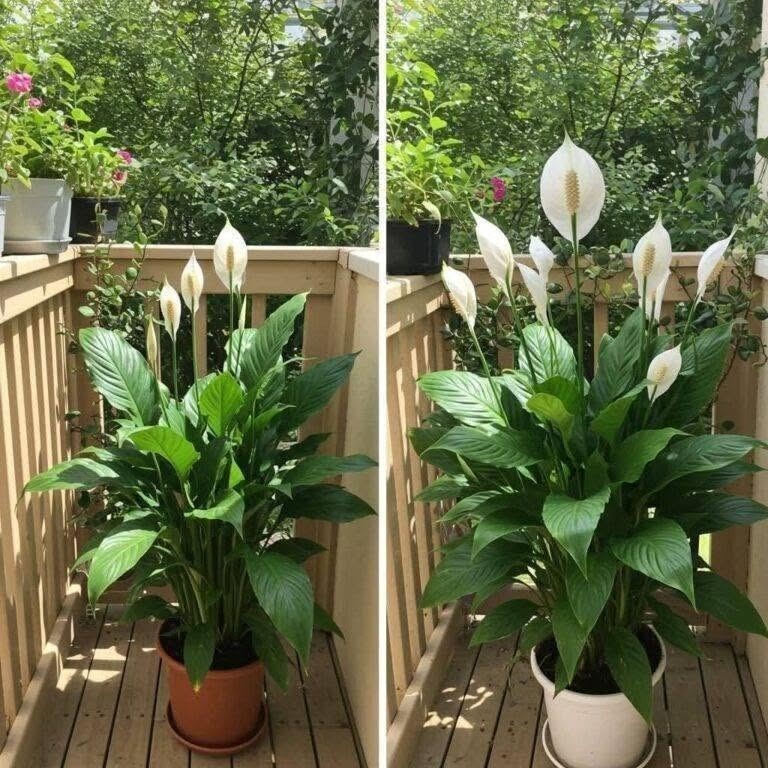
Peace Lilies (Spathiphyllum) are among the most popular house plants due to their striking dark green foliage and elegant white blooms (spathes). While they are famously easy to grow, many plant owners struggle to get their Peace Lily to flower consistently after its initial nursery bloom fades.
In this complete guide, we explore why Peace Lilies stop blooming, secret tricks to stimulate new flower growth, and budget-friendly houseplant maintenance tips.
Why Peace Lilies Fail to Bloom
If your Peace Lily is healthy and bushy but produces no white flowers, one of these environmental factors is usually responsible:
1. Lack of Adequate Bright, Indirect Light
While Peace Lilies can survive in low-light conditions, they will rarely bloom without sufficient light. To trigger flower production, the plant needs medium-to-bright indirect light for several hours each day.
2. Nutrient Deficiency
Over time, potting soil loses essential nutrients. Without adequate phosphorus and potassium, Peace Lilies expend energy solely on leaf growth rather than developing flower stalks.
3. Over-Potting or Excessive Root Space
Peace Lilies actually prefer being slightly root-bound. When planted in a container that is far too large, the plant focuses all its energy on expanding its root system rather than sending up flowers.
Step-by-Step Secrets to Encourage Maximum Blooms
Follow these simple plant care adjustments to encourage lush white flowers:
-
Optimize Light Placement: Move your Peace Lily to a spot near an east-facing window or a few feet away from a south/west window where it receives bright, filtered sunlight.
-
Feed with High-Phosphorus Fertilizer: Use a balanced indoor plant fertilizer diluted to half strength every 4 to 6 weeks during the spring and summer growing season. Look for formula ratios higher in phosphorus (the middle N-P-K number) to boost flowering.
-
Maintain Consistent Moisture: Water your Peace Lily when the top inch of soil feels dry to the touch. Avoid letting the plant completely droop or sit in soggy, waterlogged soil.
-
Prune Spent Flowers: Snip off old, browning flowers at the base of the stem to redirect energy into fresh flower buds.
Smart Financial and Budget-Friendly Plant Care Tips
Keeping indoor houseplants thriving doesn’t require expensive specialty fertilizers or tools:
-
Use Repurposed Rice Water: Save the water used to rinse rice in your kitchen; it is packed with trace minerals and starch that nourish soil microbes naturally.
-
Wipe Down Leaves Regularly: Dust buildup on large leaves blocks sunlight absorption. Clean leaves monthly with a damp cloth to maximize photosynthesis and bloom potential.
-
Dilute Household Epsom Salt: Mix 1 teaspoon of Epsom salt into a gallon of water once every few months to provide magnesium, which strengthens plant cell structures and flower growth.
Frequently Asked Questions (FAQ)
How often do Peace Lilies bloom?
With proper bright light and feeding, a healthy Peace Lily typically flowers in the spring and can continue producing blooms periodically throughout the summer and fall.
Are Peace Lily flowers real petals?
The white “flower” is actually a modified leaf called a spathe, which surrounds a small spike of tiny true flowers called a spadix.
Is the Peace Lily safe for homes with pets?
Peace Lilies contain insoluble calcium oxalate crystals, which are toxic to cats and dogs if ingested. Keep Peace Lilies placed safely out of reach of curious pets.
Final Thoughts
Unlocking consistent Peace Lily blooms comes down to giving your plant bright indirect light, consistent watering, and seasonal plant nutrition. By following these easy care hacks, you can enjoy a vibrant, lush plant brimming with elegant white blossoms year-round!
