
Mushroom-Shaped Hail Images Explained: Fact vs. AI-Generated Storm Hoaxes
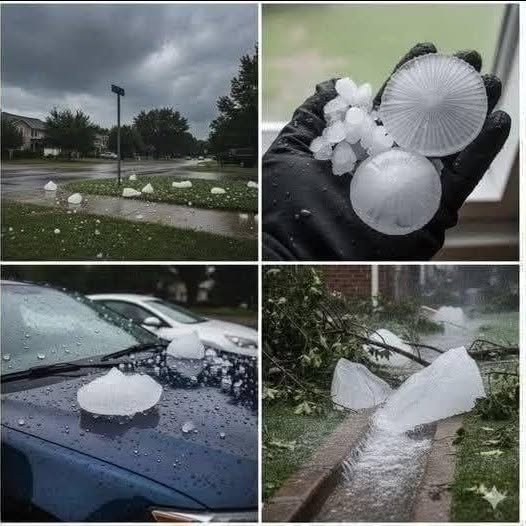
Viral weather photos frequently captivate social media users, especially when they depict extreme atmospheric phenomena. Recently, images showing giant, umbrella- or mushroom-shaped hailstones resting on cars, lawns, and gloved hands went viral across Facebook and Twitter. While giant hail is very real and highly destructive, these specific images are classic examples of AI-generated digital art.
In this complete guide, we explain how real hailstones actually form, how to spot AI-generated weather images, and practical, budget-friendly ways to protect your property during severe hail storms.
How Real Hail Forms vs. The AI-Generated “Mushroom” Hail
To understand why the mushroom hail images are fake, it helps to compare them with actual atmospheric physics:
1. How Real Hailstones Form
Hail forms inside severe thunderstorm updrafts where supercooled water droplets freeze upon contact with condensation nuclei. As strong updrafts push hailstones up and down through freezing cloud layers, they collect concentric layers of ice. Real giant hail typically appears lumpy, jagged, or covered in spiky protrusions (icicles) caused by rapid freezing during turbulent rotation.
2. Why Mushroom Shapes Don’t Form in Nature
The images circulating online feature smooth, perfectly symmetrical ridges resembling mushroom caps or lemon squeezers. Physics prevents hail from growing into thin, delicate umbrella skirts in mid-air because high-speed tumbling and violent wind shear in storm updrafts shatter delicate ice fringes long before they reach the ground.
4 Easy Ways to Spot AI-Generated Weather Photos
Digital image generators often leave subtle visual flaws when rendering complex physics like water and ice:
-
Examine Textures and Reflections: AI-generated ice often looks like polished glass, smooth plastic, or sculpted silicone rather than layered, cloudy natural ice.
-
Look at Hand and Glove Details: In AI images involving hands, check for distorted fingers, unnatural seams on gloves, or inconsistent textures.
-
Inspect Environmental Proportions: Notice how the “hailstones” resting on car hoods or sidewalks in AI images show no melting, no impact dents on thin metal, and unusual shadows relative to the ambient lighting.
-
Check Repetitive Patterns: AI models often duplicate exact geometric shapes—such as identical umbrella-shaped ridges—across multiple stones in the same frame.
Smart Financial and Budget-Friendly Hail Protection Tips
Preparing your property for severe hail season doesn’t require expensive garage construction or high-end equipment:
-
Use Heavy Moving Blankets for Vehicles: If you lack covered parking, draping thick padded moving blankets or old quilts over your windshield and car roof before a storm can absorb impact and prevent thousands in dent repair.
-
Secure Plywood or Thick Cardboard over Skylights: Covering vulnerable home skylights or basement windows with spare plywood panels shields glass against large hail strikes.
-
Trim Dead Tree Branches Regularly: Pruning dead or weak tree limbs near your house or driveway prevents costly storm damage caused by falling branches during high winds.
Frequently Asked Questions (FAQ)
What is the largest hailstone ever recorded?
The largest officially measured hailstone in United States history fell near Vivian, South Dakota, on July 23, 2010. It measured 8.0 inches in diameter and weighed nearly 2 pounds, featuring a rough, spiky surface rather than a smooth shape.
Why does real hail sometimes have spikes?
Spikes or lobes on giant hailstones form when water droplets collect on the ice faster than they can freeze. As the stone spins in strong updrafts, centrifugal force flings the wet slush outward into spikes, which then freeze solid in colder air layers.
Can severe hail break car windshields?
Yes, hail that reaches golf ball size (1.75 inches) or larger can easily crack or shatter vehicle windshields and dent body panels.
Final Thoughts
While AI technology makes it easy to create eye-catching weather images, real atmospheric phenomena are equally fascinating and require genuine storm readiness. Knowing how to spot AI images and implementing simple home protection hacks keeps you informed and your property safe during extreme weather events!
