
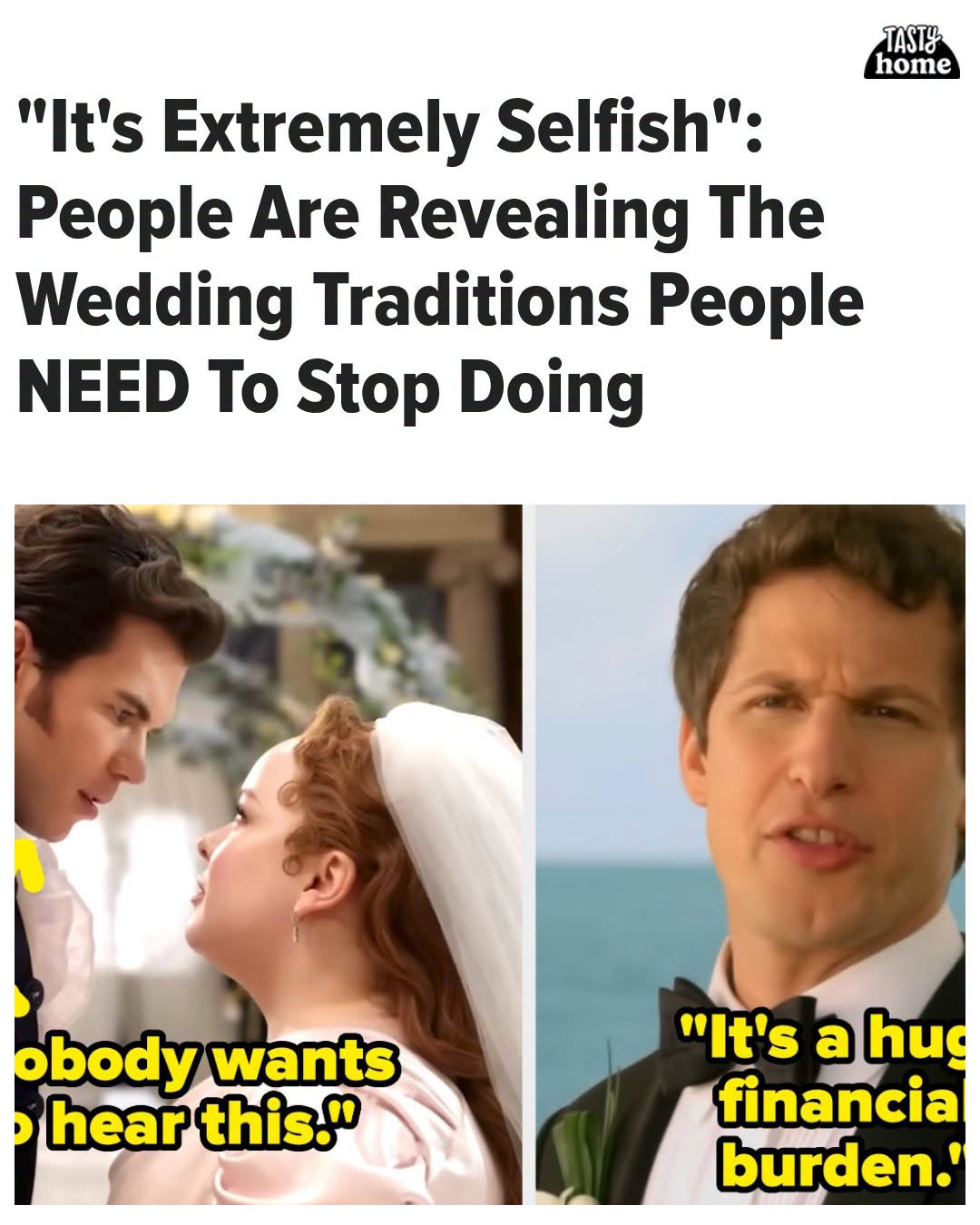
Weddings are deeply rooted in tradition, bringing families together to celebrate major milestones. However, as modern couples re-evaluate what truly matters on their special day, many long-standing customs are coming under intense scrutiny. From costly destination events to awkward reception rituals, people across social media are speaking out about customs they feel have become burdensome, outdated, or downright selfish.
In this deep dive, we explore the top wedding traditions people are ready to retire, examine the economic shifts behind modern celebrations, discuss smart financial planning strategies for big life events, and share practical advice for hosting memorable, guest-friendly celebrations.
Modern Grievances: Wedding Traditions Under Fire
As guest expectations evolve, several traditional elements of weddings are increasingly viewed as unnecessary stresses for both the couple and their attendees:
1. Mandatory Destination Weddings
The Criticism: While multi-day international celebrations offer breathtaking backdrops, requiring guests to travel long distances imposes massive travel expenses, vacation-day commitments, and logistical headaches on friends and family.
The Modern Alternative: Hosting localized celebrations or offering virtual live-stream options allows loved ones to participate without taking on heavy financial burdens.
2. Excessive Financial Demands on Wedding Parties
The Criticism: Expecting bridesmaids and groomsmen to pay thousands of dollars for custom outfits, multi-day bachelor/bachelorette trips, professional hair and makeup, and multiple gifts has turned being part of a bridal party into a costly obligation.
The Modern Alternative: Setting clear budgets early, keeping travel local, and covering wardrobe or styling costs for attendants makes participation enjoyable rather than stressful.
3. Long Gaps Between Ceremony and Reception
The Criticism: Extended multi-hour gaps between the wedding ceremony and the cocktail hour leave guests stranded in unfamiliar areas with little to do while the couple completes photo sessions.
The Modern Alternative: Taking wedding photos prior to the ceremony (a “first look”) streamlines the event timeline, keeping energy high and avoiding awkward delays.
4. Public Garter and Bouquet Tosses
The Criticism: Gathering single guests onto the dance floor for garter and bouquet tosses often feels outdated, uncomfortable, and unnecessary to modern attendees.
The Modern Alternative: Replacing physical tosses with an anniversary dance—where all married couples join the floor—honors long-lasting relationships in a warm, inclusive way.
Financial Realities: The Cost of Modern Weddings
Planning a wedding or attending multiple celebrations each year requires thoughtful long-term personal finance management.
1. Managing Personal and Guest Budgets
The rising costs of venues, catering, and travel mean couples and guests alike must handle their finances prudently. Managing high-interest credit cards, setting strict event budgets, and preventing impulse spending protect long-term financial health.
2. Strategic Asset Management and Life Planning
For couples starting their lives together, balancing wedding expenses with major financial goals—such as securing a home mortgage, growing a diversified investment portfolio, or contributing to retirement savings—ensures long-term stability beyond the wedding day.
3. Protecting Assets and Legal Structures
Planning a wedding often involves significant financial transactions, vendor contracts, and property consolidation. Couples frequently consult an experienced attorney specializing in legal services to draft prenuptial agreements, review vendor contracts, secure event insurance, or navigate commercial loan options for small business owners within the family.
Practical Tips for Planning a Stress-Free Modern Wedding
If you are planning your own wedding, keep these guest-centric practices in mind:
Prioritize Guest Comfort and Health: Ensure adequate seating, climate control, hydration, and accessible amenities to keep all attendees healthy, comfortable, and energized.
Keep Speeches Short and Engaging: Limit toasts to 2–3 minutes per speaker during dinner to maintain a smooth, enjoyable event flow.
Be Upfront About Expectations: Clearly communicate travel, accommodation, and dress code details well in advance to give guests plenty of time to plan financially.
Focus on Genuine Connections: Prioritize quality time with loved ones over lavish, viral decor trends that add high costs without enhancing guest experience.
Fascinating Facts About Wedding Customs
The White Dress Trend: Queen Victoria popularized the white wedding dress trend in 1840; prior to her wedding, brides simply wore their best existing dress regardless of color.
Origin of the Best Man: The historical role of the “best man” originated in Germanic tribes, where a trusted friend was brought along to assist in physically protecting the bride.
Tying the Knot: The common phrase “tying the knot” comes from ancient handfasting ceremonies, where a couple’s hands were bound together with cords to symbolize their union.
Conclusion
Weddings should be joyful celebrations of love, commitment, and community rather than sources of financial strain or awkward obligations. By letting go of outdated customs and prioritizing guest comfort, modern couples can create meaningful, memorable experiences that celebrate their union with authenticity.
FAQ Section
Why are destination weddings becoming controversial?
Destination weddings require guests to spend substantial amounts of money on flights, lodging, and time off work, which can place significant financial strain on friends and family.
How can couples make their wedding party experience affordable?
Couples can minimize costs by choosing affordable or flexible attire, hosting local bachelorette/bachelor gatherings, and offering to cover key expenses like hair, makeup, or ties.
What is a “first look” in wedding planning?
A “first look” is an intimate moment before the ceremony where the couple sees each other in their wedding attire and takes portraits, allowing them to join their cocktail hour immediately after the ceremony.
