
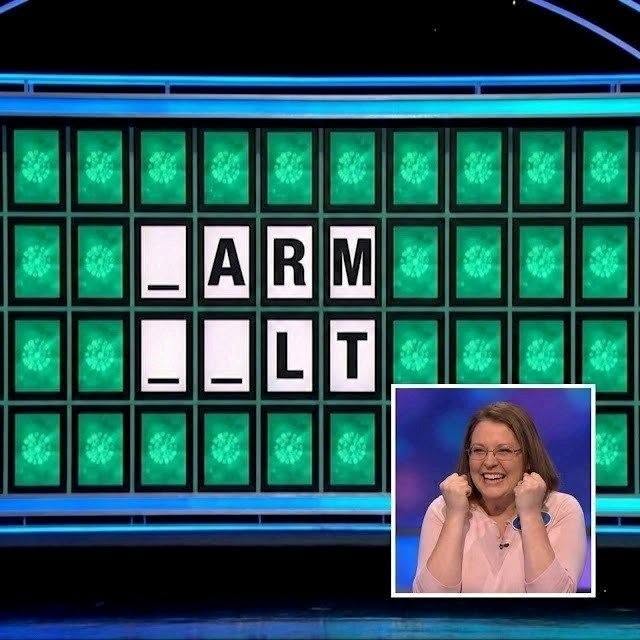

The Evolution and Cultural Impact of Television Game Shows and Entertainment Media
Television game shows have been a cornerstone of home entertainment for nearly a century. From the early days of radio broadcasts transitioning to living room televisions, competitive game formats have captivated audiences of all ages. Shows that challenge contestants with puzzles, trivia, word games, and problem-solving tasks offer a unique blend of suspense, education, and lighthearted fun.
Understanding the psychology behind why people love game shows, how media influences popular culture, and the role of entertainment in cognitive engagement provides a fascinating look into modern media consumption. Whether watching contestants solve a tricky puzzle on screen or playing along from home, these interactive formats continue to shape television history.
The History and Psychology of Game Shows
Game shows are uniquely designed to stimulate viewer engagement. Unlike scripted dramas or films, game shows introduce an element of genuine unpredictability. Contestants face real-time pressure, making split-second decisions that can lead to triumph or defeat.
Why We Love Competitive Media
-
Participatory Engagement: Viewers naturally try to solve puzzles or answer trivia questions alongside the contestants, turning passive watching into an active mental exercise.
-
The Thrill of Competition: Watching ordinary people win prizes or solve difficult challenges creates emotional resonance and excitement.
-
Cognitive Stimulation: Word games and puzzle-solving help keep the mind sharp, improving vocabulary, pattern recognition, and quick thinking.
The Role of Media and Technology in Modern Entertainment
The television industry has undergone a massive transformation with the advent of digital media, high-definition broadcasting, and online streaming. Game shows have successfully adapted to this digital landscape, utilizing interactive apps, social media integration, and viral video clips to reach global audiences.
+--------------------------+-------------------------------------------------------+
| Entertainment Medium     | Impact on Audience Engagement                         |
+--------------------------+-------------------------------------------------------+
| Traditional Television   | Brought families together for shared live viewing     |
| Digital Streaming        | Allowed on-demand access to classic and modern shows  |
| Social Media Platforms   | Enabled viral sharing of puzzle clips and highlights  |
| Interactive Apps         | Permitted viewers to play along in real time          |
+--------------------------+-------------------------------------------------------+
Practical Tips for Keeping Your Brain Sharp and Focused
Just like contestants on a game show need quick reflexes and sharp mental clarity, everyday individuals can benefit from cognitive training habits.
-
Play Word and Puzzle Games: Regularly solving crosswords, Sudoku, or word puzzles enhances cognitive flexibility and memory.
-
Get Adequate Rest: Quality sleep is vital for optimal brain function, reaction time, and problem-solving capabilities.
-
Stay Mentally Curious: Continuously learning new skills, reading books, and engaging in stimulating conversations keeps the mind active.
-
Maintain Physical Health: Regular exercise increases blood flow to the brain, supporting long-term neurological health and focus.
Fascinating Facts About Game Shows
-
The Golden Age of Radio: Many iconic television game shows actually began as radio programs in the 1930s before making the jump to television screens in the late 1940s and 1950s.
-
The Power of Word Puzzles: Word-based puzzle formats have proven to be the most enduring genre in television history, appealing to multi-generational audiences.
-
Global Franchises: Many successful game show formats are licensed internationally, adapting local cultures while maintaining core competitive gameplay mechanics.
Conclusion
Television game shows and interactive puzzles remain a beloved staple of global entertainment because they tap into our natural desire for competition, problem-solving, and community. By challenging our minds and providing wholesome entertainment, these programs continue to bring joy and excitement to millions of households worldwide.
Frequently Asked Questions (FAQ)
Why are game shows so popular across different generations?
Game shows appeal to all ages because they offer simple rules, fast-paced action, and the opportunity for viewers to play along from home, creating an inclusive viewing experience.
How do puzzle games benefit cognitive health?
Engaging in regular word and puzzle challenges helps stimulate neural pathways, improves vocabulary, enhances problem-solving speed, and supports mental agility.
When did television game shows first become popular?
Game shows surged in popularity during the 1950s—often referred to as the Golden Age of Television—following successful transitions from earlier radio broadcast formats.
Can watching game shows improve problem-solving skills?
Yes. Actively attempting to solve puzzles and riddles alongside contestants trains the brain to recognize patterns and process information more efficiently under pressure.
