
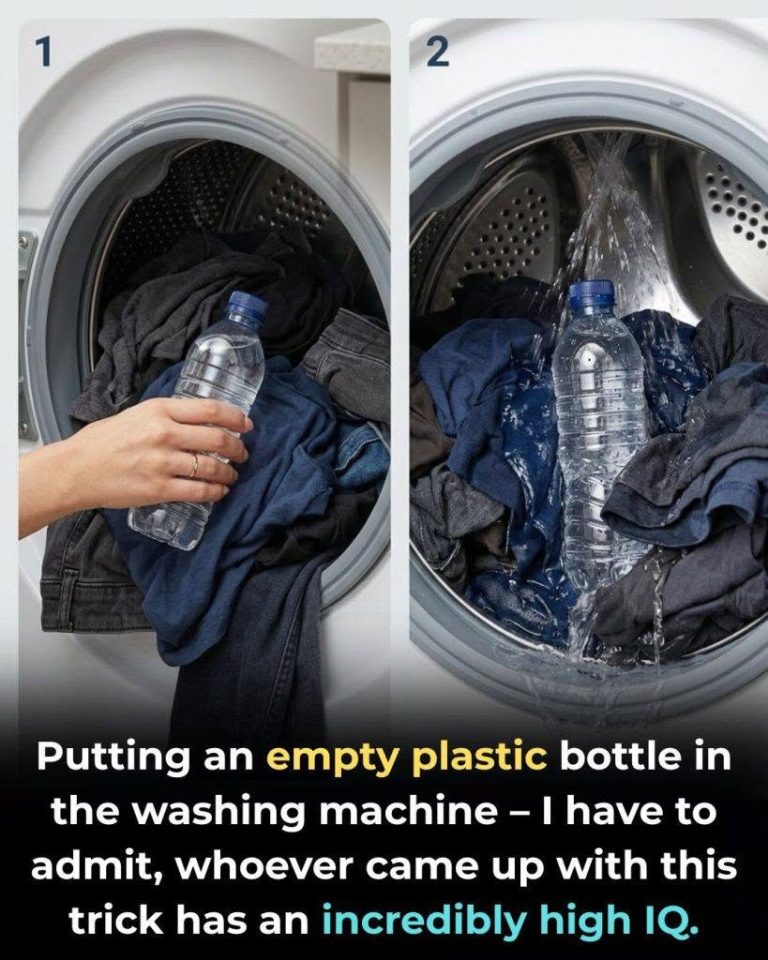
Viral internet life hacks often promise simple solutions to daily household chores, claiming to revolutionize how we cleaour clothes. One popular viral trend suggests tossing an empty plastic bottle into the washing machine drum alongside your laundry load. Captions often praise this trick as a high-IQ genius move for improving agitation, removing pet hair, or preventing tangled clothes.
While the idea of using household items to enhance cleaning power is appealing, examining how modern washing machines function helps separate viral myths from truly effective laundry maintenance.
Why People Put Plastic Bottles in the Washing Machine
Proponents of this social media trend claim that a floating, sealed plastic bottle performs several functions inside the drum during a cycle:
1. Extra Mechanical Agitation
The theory suggests that as the drum spins, the rigid plastic bottle bumps against fabrics, acting as a manual agitator to help dislodge ground-in dirt, sweat, and stains.
2. Lint and Pet Hair Collection
Some versions of the hack claim that friction created by the plastic surface generates static electricity or creates a barrier that helps trap loose pet hair, lint, and debris before it adheres to clothes.
3. Preventing Tangled Laundry
Another claim is that the bottle creates physical separation between long-sleeved shirts, pants, and bedding, preventing garments from twisting tightly around each other during high-speed spin cycles.
The Reality: Potential Risks and Appliance Concerns
While the bottle hack seems harmless, appliance technicians and laundry experts advise caution when placing hard plastic objects inside washing machine drums:
| Potential Risk | How It Happens | Safe Alternative |
| Damage to the Drum or Gaskets | Hard bottle caps can scratch stainless steel drums or tear rubber door seals | Use soft, wool dryer balls during drying cycles |
| Microplastic Contamination | Friction and heat can break down cheap plastic, releasing microplastics | Wash clothes with a microfiber-catching laundry bag |
| Noisy Spin Cycles | The bottle bouncing violently causes loud clattering and uneven balance | Load machine evenly with similar fabric weights |
| Ineffective Cleaning | Modern washing machines rely on water flow and detergent, not hard friction | Use correct detergent dosage and water temperature |
Proven Strategies for Cleaner, Lint-Free Laundry
Instead of relying on viral plastic bottle hacks, use these tested methods to improve laundry results and care for your garments:
-
Use Wool Dryer Balls for Drying: Wool balls gently separate clothes in the dryer, reduce static, shorten drying time, and soften fabrics naturally without harsh chemicals.
-
Clean Your Washer’s Lint Filter and Drain: Regularly clean out the pump filter located at the bottom of front-load washers to remove accumulated lint, hair, and small debris.
-
Incorporate Laundry Pet Hair Catchers: Specially designed silicone or mesh hair catchers float safely in the wash cycle to collect pet fur without damaging your drum or clothing.
-
Avoid Overloading the Machine: Leave enough space at the top of the drum so garments can circulate freely through water and detergent for optimal cleaning.
-
Run Monthly Maintenance Cycles: Wash your machine empty once a month with hot water and a dedicated washer cleaner or white vinegar to eliminate buildup and odorous bacteria.
Fascinating Facts About Washing Machine Technology
-
Centrifugal Force: Modern high-efficiency front-load washing machines spin at speeds up to 1,200 to 1,600 RPM, extracting water through extreme centrifugal force rather than harsh scrubbing.
-
The Invention of the Electric Washer: The first electric-powered washing machine, affectionately named “Thor,” was introduced to the public by the Hurley Machine Company in 1908.
-
Microfiber Filtration: Synthetic clothing sheds thousands of tiny plastic microfibers per wash; modern washing machine accessories and filters are increasingly designed to capture these before they enter wastewater systems.
Home Insurance, Appliance Warranties, and Maintenance Planning
Proper appliance care plays a vital role in preventing costly home disasters. Using unapproved objects inside your washing machine can potentially damage internal components, puncture drainage hoses, or compromise door gaskets.
Ensuring your major appliances are covered under active home warranties or comprehensive homeowners insurance protects your household against unexpected mechanical failures or water damage repairs. Pairing good home maintenance habits with financial planning offers peace of mind while preserving your home’s value.
Conclusion
While putting a plastic bottle in your washing machine makes for an intriguing social media post, proven laundry techniques and purpose-made accessories offer far safer and more effective cleaning results. By sticking to proper washing methods, maintaining your appliance, and protecting your clothing fabrics, you can enjoy fresh, clean laundry without risking damage to your washer.
Frequently Asked Questions (FAQ)
Does putting a plastic bottle in the washer really remove pet hair?
A plastic bottle offers minimal surface adhesion for fur; purpose-designed silicone pet hair catchers or dryer lint traps are significantly more effective at removing pet hair from fabrics.
Can a plastic bottle break my washing machine?
Yes. During fast spin cycles, hard plastic bottles or caps can chip the inner drum, tear front-load door seals, or cause uneven load balancing that strains the machine motor.
What is the best natural alternative for softening clothes?
Adding half a cup of distilled white vinegar to the fabric softener dispenser during the rinse cycle naturally softens clothes and dissolves detergent residue without leaving an odor.
