
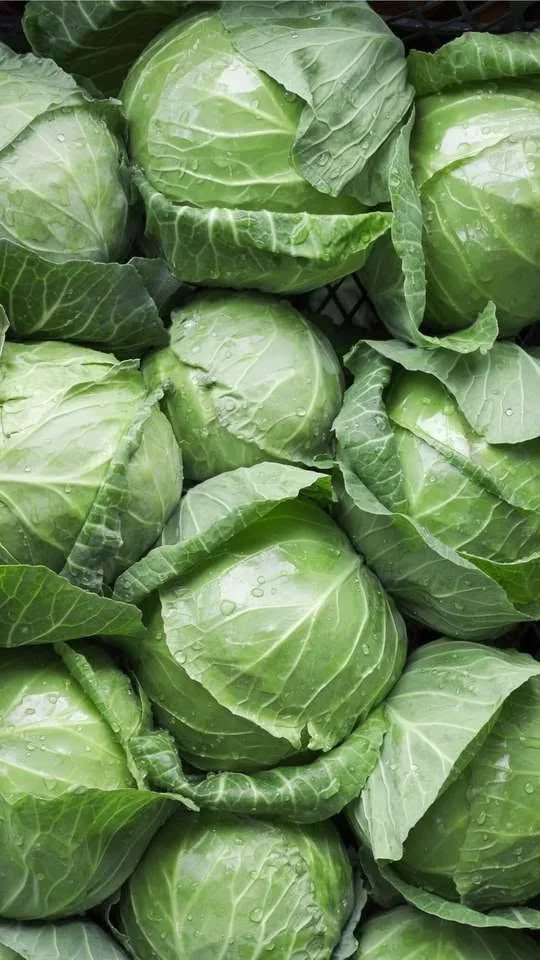
The Surprising Health Benefits of Cabbage: Nutrition, Gut Health, and Inflammation
Cabbage is often treated as a modest background ingredient in home kitchens, relegated to coleslaw bowls or occasional soups. However, this crisp, leafy cruciferous vegetable—a close relative of broccoli, kale, and Brussels sprouts—is a true nutritional powerhouse. Packed with essential vitamins, powerful antioxidants, and unique sulfur compounds, cabbage has been prized since ancient times for its exceptional medicinal and nutritional properties. Incorporating fresh or cooked cabbage into your weekly diet provides a cost-effective, delicious way to support long-term physical vitality.
Understanding how the bio-active nutrients in cabbage impact digestion, blood pressure, cardiovascular health, and tissue repair empowers individuals to make proactive dietary choices. In this comprehensive nutrition, wellness, and culinary guide, we explore the health benefits of cabbage, its role in gut health and anti-inflammatory care, essential cooking techniques, and practical ways to add it to daily meals.
The Nutritional Profile of Cabbage
Despite being extremely low in calories, green and red cabbage are densely packed with vital vitamins, minerals, and dietary antioxidants. A single cup of raw cabbage delivers a impressive array of daily nutrients:
Vitamin C: A potent antioxidant that boosts immune function, stimulates collagen production for healthy skin, and aids iron absorption.
Vitamin K: Essential for blood clotting mechanisms and bone density maintenance.
Dietary Fiber: Soluble and insoluble fibers that support gut microbiome health and maintain regular digestive transit.
Glucosinolates: Sulfur-containing organic compounds that break down into protective phytochemicals during digestion.
Folate (Vitamin B9): Crucial for cellular repair, red blood cell formation, and overall metabolic health.
Key Health Benefits of Eating Cabbage Regularly
Adding green or red cabbage to your regular meal routine yields science-backed advantages for systemic health:
1. Potent Anti-Inflammatory and Antioxidant Support
Chronic inflammation is linked to various health conditions, including heart disease, arthritis, and metabolic disorders. Cabbage contains powerful antioxidants, including sulforaphane, kaempferol, and anthocyanins (found abundantly in red cabbage). These compounds actively neutralize harmful free radicals, reduce oxidative damage, and soothe tissue inflammation throughout the body.
2. Enhanced Gut Health and Gastrointestinal Relief
Cabbage is exceptional for digestive wellness. Its insoluble fiber adds soft bulk to stool, promoting regular bowel movements, while its soluble fiber feeds beneficial gut bacteria like Bifidobacteria and Lactobacilli. Furthermore, cabbage juice has a long history in natural medicine for supporting the stomach lining and soothing gastric ulcers due to its rich glutamine content.
3. Cardiovascular Protection and Lower Blood Pressure
Maintaining healthy blood pressure and cholesterol levels is vital for heart health. Cabbage provides soluble fiber that binds to cholesterol particles in the digestive tract, facilitating their removal. Additionally, green cabbage is a natural source of potassium—an essential electrolyte that balances sodium levels and relaxes blood vessel walls, helping maintain optimal blood pressure.
4. Natural Support for Detoxification Pathways
The glucosinolates found in cabbage support liver function by enhancing Phase II detoxification enzymes. These enzymes help process and eliminate metabolic wastes and environmental toxins from the body efficiently.
Green vs. Red Cabbage: Which Should You Choose?
While both varieties offer remarkable health benefits, subtle differences can guide your meal planning:
Green Cabbage: Versatile, mild in flavor, and particularly rich in Vitamin K and folate. Excellent for fermenting into traditional sauerkraut or sautéing with garlic and olive oil.
Red Cabbage: Boasts up to 10 times more Vitamin A and twice as much iron as green cabbage. Its deep purple hue comes from powerful anthocyanin antioxidants, making it superior for heart health and anti-inflammatory benefits.
Healthy Ways to Prepare and Enjoy Cabbage
To maximize both flavor and nutrient retention, avoid overboiling cabbage, which can cause sulfur odors and leach away water-soluble vitamins:
Light Sautéing or Stir-Frying: Flash-cook shredded cabbage in healthy fats (like olive oil or avocado oil) with herbs and garlic to preserve crunch and nutrients.
Homemade Sauerkraut or Kimchi: Fermenting cabbage produces rich probiotic cultures that significantly bolster gut microbiome diversity and digestive health.
Raw Crunch in Salads: Shred raw red and green cabbage into colorful slaws dressed with olive oil and lemon juice for a refreshing, fiber-packed side dish.
Preventive Healthcare and Daily Nutrition
Building a lifestyle focused on whole, nutrient-dense plant foods like cabbage serves as a primary foundation for preventive healthcare. Managing cardiovascular risk factors, supporting gut health, and reducing chronic systemic inflammation through balanced nutrition protects long-term wellbeing.
Pairing healthy dietary habits with routine medical check-ups and diagnostic screenings ensures comprehensive health management. Reviewing your health insurance benefits can help guarantee access to preventative care visits, registered dietitian consultations, and routine wellness checks to keep your health goals on track.
Frequently Asked Questions (FAQ)
Does eating cabbage cause bloating or gas?
Because cabbage is high in dietary fiber and complex carbohydrates (raffinose), consuming large amounts quickly can cause temporary gas or bloating in sensitive digestive systems. Introduce cabbage gradually and stay well-hydrated to allow your gut microbiome to adapt.
Is raw cabbage healthier than cooked cabbage?
Both offer unique benefits! Raw cabbage preserves heat-sensitive Vitamin C and active enzymes, while light cooking makes dietary fiber easier to digest and increases the availability of certain antioxidants.
Can people with thyroid issues eat cabbage?
Cabbage contains goitrogens, which can interfe
