
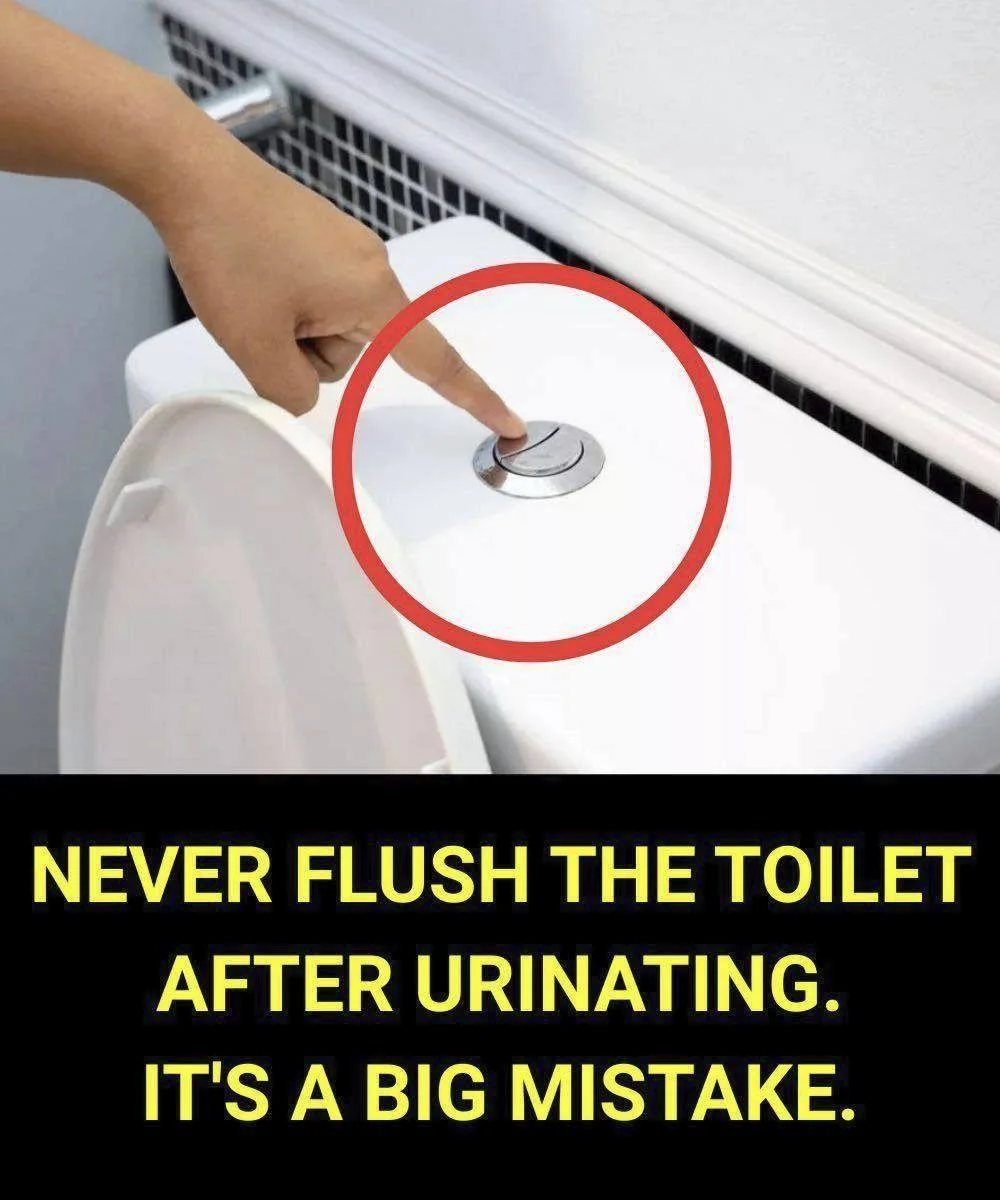
The phrase “if it’s yellow, let it mellow; if it’s brown, flush it down” has been touted for decades as a simple way to conserve household water. Proponents argue that skipping unnecessary flushes after urinating saves thousands of gallons of clean water each year and reduces municipal utility bills.
However, leaving urine standing in a toilet bowl presents noticeable drawbacks, from unpleasant odors and mineral buildup to potential plumbing issues. In this guide, we weigh the environmental benefits against the hygienic and home maintenance realities.
What Happens When You Don’t Flush?
Leaving urine in the bowl sets off a few chemical and biological reactions over time:
-
Ammonia Odor Production: Bacteria in the bowl begin breaking down urea, converting it into volatile ammonia gas that creates persistent bathroom odors.
-
Limescale and Uric Acid Buildup: Standing urine combined with hard water minerals forms crusty deposits inside the toilet trap and bowl, making cleaning significantly harder.
-
Toilet Plume Mitigation: Closing the toilet lid before flushing prevents aerosolized micro-droplets (toilet plume) from settling on nearby bathroom surfaces.
“Letting It Mellow” vs. Dual-Flush Technology
| Option | Water Consumption | Hygiene & Odor | Plumbing & Maintenance |
| Traditional Single Flush | 3.5 – 5.0 gallons per flush | High hygiene; clean water every time | Low risk of mineral buildup |
| Skipping Flushes (“Mellow”) | 0 gallons (until flushed later) | High odor risk; mineral ring formation | Higher risk of stubborn uric scale in pipes |
| Modern Dual-Flush Toilet | 0.8 – 1.1 gallons (Half flush) | High hygiene; effective waste removal | Minimal pipe scale; optimum efficiency |
+-------------------------------------------------------------------+
|                        WATER-SAVING FACT                          |
| Modern dual-flush buttons (pictured above) offer a "half flush"   |
| for liquid waste, saving up to 67% water without leaving waste!   |
+-------------------------------------------------------------------+
Financial, Health, and Home Maintenance Benefits
Smart water management habits protect both your household budget and plumbing infrastructure:
-
Preventing Bacterial Cross-Contamination: Flushing consistently while keeping the lid closed maintains proper bathroom hygiene, supporting family health and avoiding gastrointestinal issues.
-
Saving on Water Bills: Upgrading to high-efficiency dual-flush toilets cuts utility costs by hundreds of dollars annually, preserving household funds for investment, retirement, or family education goals.
-
Protecting Plumbing Fixtures: Preventing uric acid corrosion and hard water stains preserves porcelain finishes and extends internal seal life, avoiding costly plumbing repairs or insurance claims from leaks.
Conclusion
While skipping flushes might seem like a quick eco-friendly fix, standing urine creates odors and stubborn pipe scale over time. Utilizing a modern dual-flush toilet—or simply closing the lid before using the half-flush button—strikes the ideal balance between water conservation and a hygienic home!
Frequently Asked Questions (FAQ)
How much water does skipping a flush actually save?
Older toilets use between 3.5 to 5 gallons per flush, so skipping 3–4 flushes daily saves around 10–20 gallons per person per day. Modern high-efficiency toilets, however, use less than 1.28 gallons per flush, making skipping flushes far less impactful.
Can standing urine ruin your toilet?
Yes. Over time, uric acid reacts with hard water minerals to form rigid calcified deposits inside the toilet bowl and trapway, requiring harsh chemical acid cleaners to remove.
What do the two buttons on top of a toilet mean?
The smaller button delivers a “half flush” (reduced water volume) intended specifically for liquid waste. The larger button delivers a full flush with higher pressure for solid waste.
