
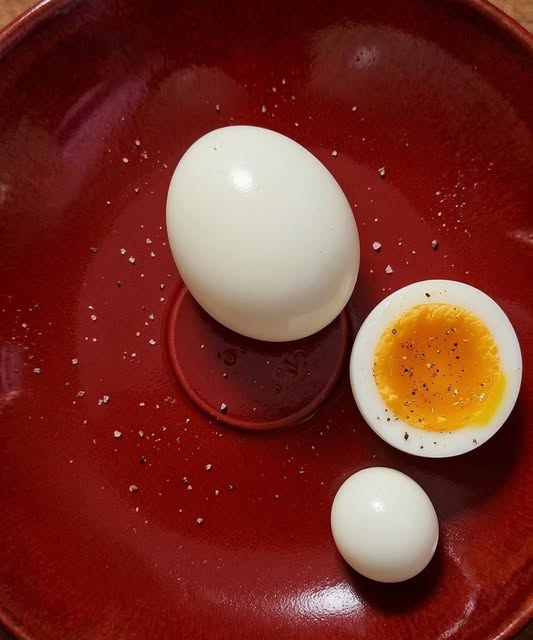
Boiling an egg seems like one of the simplest tasks in culinary arts, yet achieving the precise yolk consistency—from a liquid runny center to a soft jammy golden core—requires a fundamental understanding of food science, timing, and temperature control. Whether you are preparing breakfast, packing a protein-rich meal, or elevating a bowl of homemade ramen, mastering the boiled egg is an essential kitchen skill.
Beyond its culinary versatility, the humble egg is a powerhouse of nutrition. Packed with high-quality protein, essential vitamins, and healthy fats, it remains a cornerstone of balanced eating worldwide. This comprehensive culinary guide breaks down the precise timing, scientific principles, thermal techniques, and nutritional benefits behind boiling eggs perfectly every time.
1. The Science Behind Egg Proteins and Coagulation
To consistently achieve the ideal texture, it is helpful to understand what happens to an egg at a microscopic level during heating. An egg consists of two main parts: the egg white (albumen) and the egg yolk, both of which solidify at different temperatures.
Temperature Thresholds
-
The Egg White: Solidification begins around 140°F (60°C) and completely sets at approximately 180°F (82°C).
-
The Egg Yolk: The yolk begins to thicken at around 149°F (65°C) and sets firmly at 158°F (70°C).
Because the yolk sets at a lower temperature than the point where whites become rubbery, controlling steam and water temperature allows home cooks to isolate the yolk state while keeping the outer white tender and fully cooked.
2. Boiling Time Guide: From Soft-Boiled to Hard-Boiled
Timing is everything when boiling eggs. Using large eggs straight from the refrigerator placed into already boiling water, here is the exact cooking duration breakdown:
| Cooking Time | Yolk Consistency | White Texture | Ideal Culinary Use |
| 6 Minutes | Liquid, warm, runny | Soft, delicate | Dipping toast soldiers, ramen topping |
| 7 Minutes | Jammy, fudge-like, golden | Set, firm | Salads, avocado toast, snack |
| 8 Minutes | Soft-firm, creamy center | Tender, fully set | Egg salad, meal prep bowls |
| 10 Minutes | Firm, solid pale yellow | Very firm | Classic deviled eggs, travel snacks |
3. Step-by-Step Method for Flawless Peelability
One of the biggest frustrations in home cooking is dealing with eggshells that stick to the egg white during peeling. Following a precise routine ensures the shell slides off smoothly without destroying the delicate outer layer.
Step 1: Boiling Water Start
Always lower refrigerated eggs directly into gently boiling water rather than starting them in cold water. Hot water causes the proteins inside the shell to shock and coagulate rapidly, preventing them from fusing tightly to the inner shell membrane.
Step 2: The Ice Bath Plunge
Immediately transfer cooked eggs from boiling water into a large bowl filled with cold water and ice cubes. The sudden temperature shift shrinks the egg slightly inside the shell, creating a small space that makes peeling effortless. Let them rest in the ice bath for at least 5 to 10 minutes.
Step 3: Strategic Peeling Technique
Gently tap the wider bottom end of the egg on a flat surface first—this is where the air pocket resides. Crack the shell gently all around, then peel under a thin stream of cool running water to help lift the membrane off smoothly.
4. Nutritional Value and Health Benefits of Eggs
Eggs are widely recognized by health professionals and nutritionists as one of nature’s most nutrient-dense foods. Including whole eggs in a balanced diet delivers essential nutrients that support long-term wellness.
Key Nutrients Found in Eggs
-
High-Biological Value Protein: Contains all nine essential amino acids required for muscle repair and body tissue repair.
-
Choline: A vital nutrient for brain development, neural communications, and cognitive functioning throughout life.
-
Lutein and Zeaxanthin: Antioxidants located in the yolk that promote eye health and guard against age-related macular degeneration.
-
Healthy Fats & Vitamin D: Supports bone integrity and metabolic efficiency.
Navigating dietary wellness and metabolic health programs often includes calculating macronutrients, making simple foods like eggs a staple for clean nutrition.
5. Economic Value and Smart Grocery Budgeting
In times of fluctuating food pricing, eggs remain one of the most cost-effective sources of premium dietary protein available. Managing household food budgets requires strategic planning to maximize nutritional value while maintaining personal finance goals.
-
Meal Prep Savings: Boiling a batch of eggs on weekends offers instant, inexpensive snacks throughout the week, reducing reliance on costly processed foods.
-
Small Business Opportunities: Specialty poultry farming, organic egg production, and artisanal culinary ventures represent growing small business operations in regional agricultural markets.
-
Educational Culinary Programs: Cooking basic foods efficiently is a vital core component taught in basic culinary education courses to foster lifelong healthy habits.
6. How Visual Culinary Presentation Drives Engagement
The visual appeal of food—such as a brightly colored, rich jammy egg yolk seasoned with fresh sea salt and cracked black pepper—plays a massive role in modern food culture.
-
Digital Media Trends: High-contrast images featuring cross-section cuts of foods perform exceptionally well across digital platforms, driving high reader engagement and visual interest.
-
Technology in Modern Kitchens: Precision appliances like sous-vide machines, smart induction cooktops, and digital timers have made standardizing internal cooking temperatures easier than ever before.
7. Fascinating Facts About Eggs
-
Freshness Water Test: A fresh egg sinks to the bottom of a bowl of water and rests flat on its side. An old egg floats because the internal air cell expands over time as moisture evaporates through the porous shell.
-
Shell Color Does Not Affect Nutrition: Whether an eggshell is white, brown, or blue is determined strictly by the breed of the hen; the inner nutritional quality and flavor remain identical.
-
The Average Hen: A single laying hen produces roughly 250 to 300 eggs per year under healthy conditions.
Conclusion
Boiling an egg to perfection is a simple blend of culinary art and precise physical science. By dropping cold eggs directly into boiling water, timing the cook precisely according to your preference, and chilling them instantly in an ice bath, you eliminate guesswork and peeling frustration entirely. Add this reliable technique to your everyday meal routine to enjoy nutritious, beautifully prepared eggs every single time.
Frequently Asked Questions (FAQ)
Why do some hard-boiled egg yolks have a greyish-green ring around them?
The dark ring is caused by iron in the yolk reacting with sulfur in the white when an egg is overcooked or cooled too slowly. It is completely safe to eat, but avoiding overcooking and using an ice bath prevents it completely.
How long do boiled eggs last in the refrigerator?
Hard-boiled eggs, whether peeled or unpeeled, can be stored safely in a sealed container in the refrigerator for up to 7 days.
Why are fresh eggs harder to peel than older eggs?
Fresh eggs have a lower pH level, which causes the egg white to bind more tightly to the inner shell membrane. As eggs age slightly in the refrigerator, they absorb air, increase in pH, and become significantly easier to peel.
Is it better to steam or boil eggs?
Both methods yield identical results! Steaming eggs over boiling water offers slightly gentler heat and uses less water, making it an equally efficient method for precise egg cooking.
