
Understanding Heel Pain: Causes, Prevention, and When to Seek Medical Attention
Introduction
Foot discomfort is one of those modern ailments that many people tend to brush off as a minor inconvenience. After a long day of standing, walking, or engaging in intense physical activities, minor aches are often expected. However, when discomfort strikes the moment your feet hit the floor in the morning or flares up after a period of prolonged sitting, it can signal an underlying physiological issue that deserves closer inspection. Understanding the root causes of this phenomenon is crucial for long-term health and mobility.
Anatomy of the Foot and the Source of Discomfort
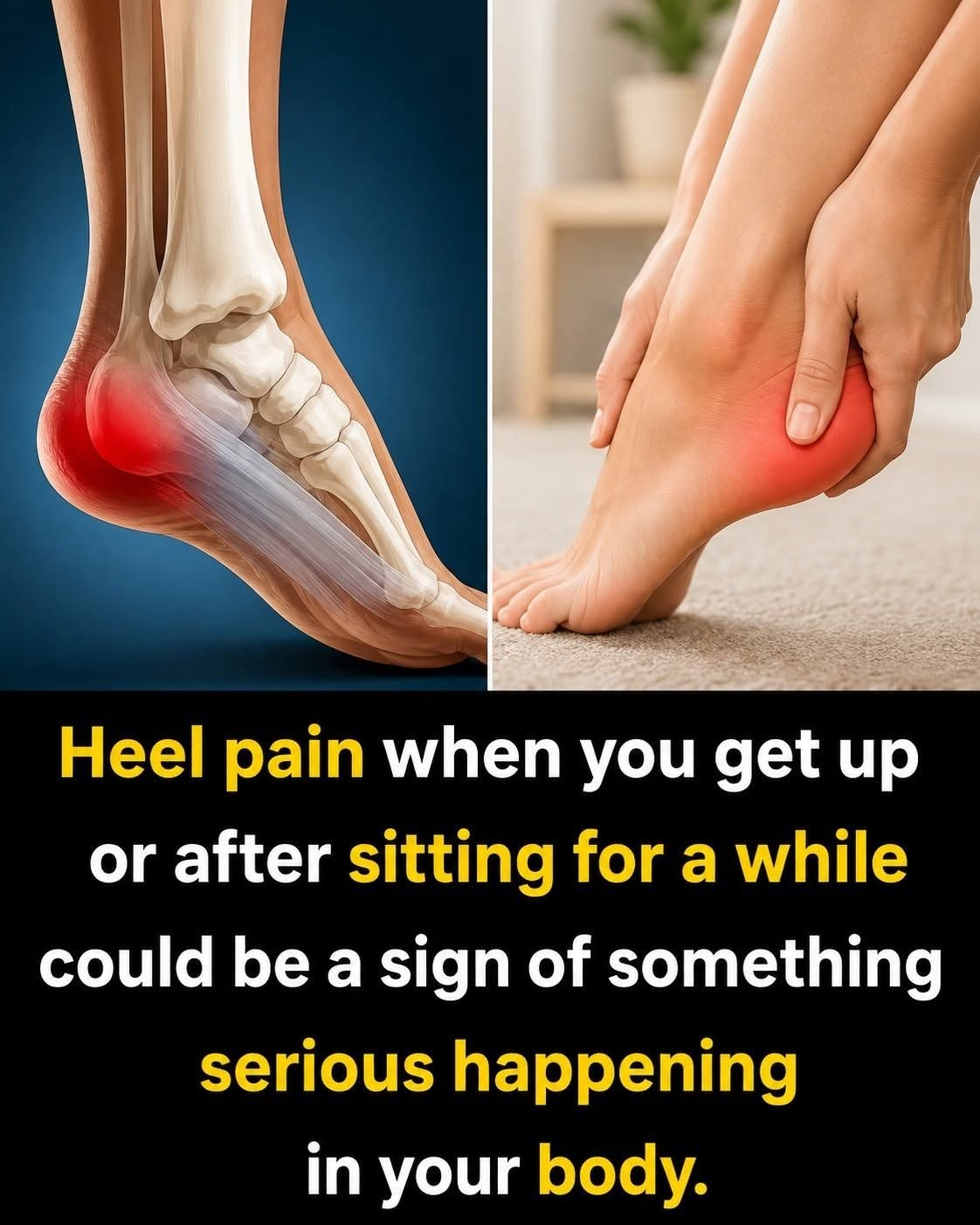
To comprehend why your heels might hurt after resting, it helps to look at the structural mechanics of the human foot. The foot is a complex network of bones, ligaments, tendons, and muscles designed to absorb shock and support body weight. Running along the bottom of the foot is a thick band of tissue called the plantar fascia, which connects the heel bone to the toes.
When you sit or sleep for extended periods, your muscles and connective tissues naturally shorten and tighten. Upon standing, sudden tension is placed on this un-warmed tissue, leading to sharp sensations. While this is frequently linked to common strain, persistent discomfort can sometimes intersect with broader health, medical, and insurance considerations if physical therapy or specialized interventions become necessary.
Common Underlying Triggers
Plantar Fasciitis
The most frequent culprit behind morning heel pain is plantar fascia inflammation. Micro-tears occur in the tissue due to excessive stretching or overloading. Over time, chronic irritation can lead to degenerative changes rather than simple acute inflammation.
Heel Spurs
Often associated with chronic strain, calcium deposits can build up on the underside of the heel bone. While spurs themselves are not always painful, the surrounding soft-tissue irritation can cause significant distress during weight-bearing activities.
Biomechanical Factors
Walking abnormalities, flat feet, high arches, or wearing unsupportive footwear can unevenly distribute weight across the foot structure, placing undue stress on the heel area during daily routines.
Practical Tips for Relief and Management
Managing and mitigating foot discomfort involves a combination of daily lifestyle adjustments and targeted care routines:
-
Stretching Before Standing: Perform gentle foot and calf stretches while still sitting in bed before taking your first steps to gradually lengthen the plantar fascia.
-
Supportive Footwear: Invest in shoes with proper arch support and cushioning, avoiding walking barefoot on hard surfaces like tile or hardwood floors.
-
Ice Therapy: Applying a cold pack or rolling your foot over a frozen water bottle for 10 to 15 minutes can help soothe localized irritation after activity.
-
Low-Impact Exercise: Maintain overall fitness through swimming or cycling rather than high-impact running until symptoms subside.
Interesting Facts About Foot Health
-
Daily Impact: The average person takes thousands of steps a day, meaning your feet endure cumulative forces equal to hundreds of tons over a lifetime.
-
Natural Shock Absorbers: The fat pad beneath your heel acts as a specialized hydraulic cushion that compresses with every step to protect the bone.
-
Early Indicators: Minor musculoskeletal imbalances in the lower extremities can sometimes alter your posture, subsequently influencing knee, hip, and lower back alignment.
Conclusion
Heel discomfort upon waking or after resting is your body’s way of signaling that local tissues are under stress. While many cases improve with proper rest, stretching, and supportive footwear, ignoring persistent symptoms can lead to chronic mobility limitations. Listening to your body early on ensures you can continue moving through life comfortably and actively.
FAQ Section
Why does heel pain feel worse with the very first steps in the morning?
During sleep or prolonged sitting, the plantar fascia heals in a shortened, contracted position. When you suddenly stand up, the tissue is abruptly stretched, causing micro-tears and sharp pain. Once you walk around a bit, the tissue warms up and loosens, which usually causes the pain to temporarily subside.
Can footwear choices really impact heel health?
Yes. Shoes that lack arch support, have thin soles, or lack proper heel cushioning fail to absorb impact effectively, forcing the plantar fascia and surrounding structures to absorb the shock of everyday movement.
When should I consult a healthcare professional about heel pain?
You should seek professional medical advice if the pain persists for more than a few weeks despite home care, if it severely limits your daily activities, or if you experience severe swelling, redness, or numbness in the foot
