
Understanding Leg Shapes & Posture Alignment: A Complete Guide to Joint Health
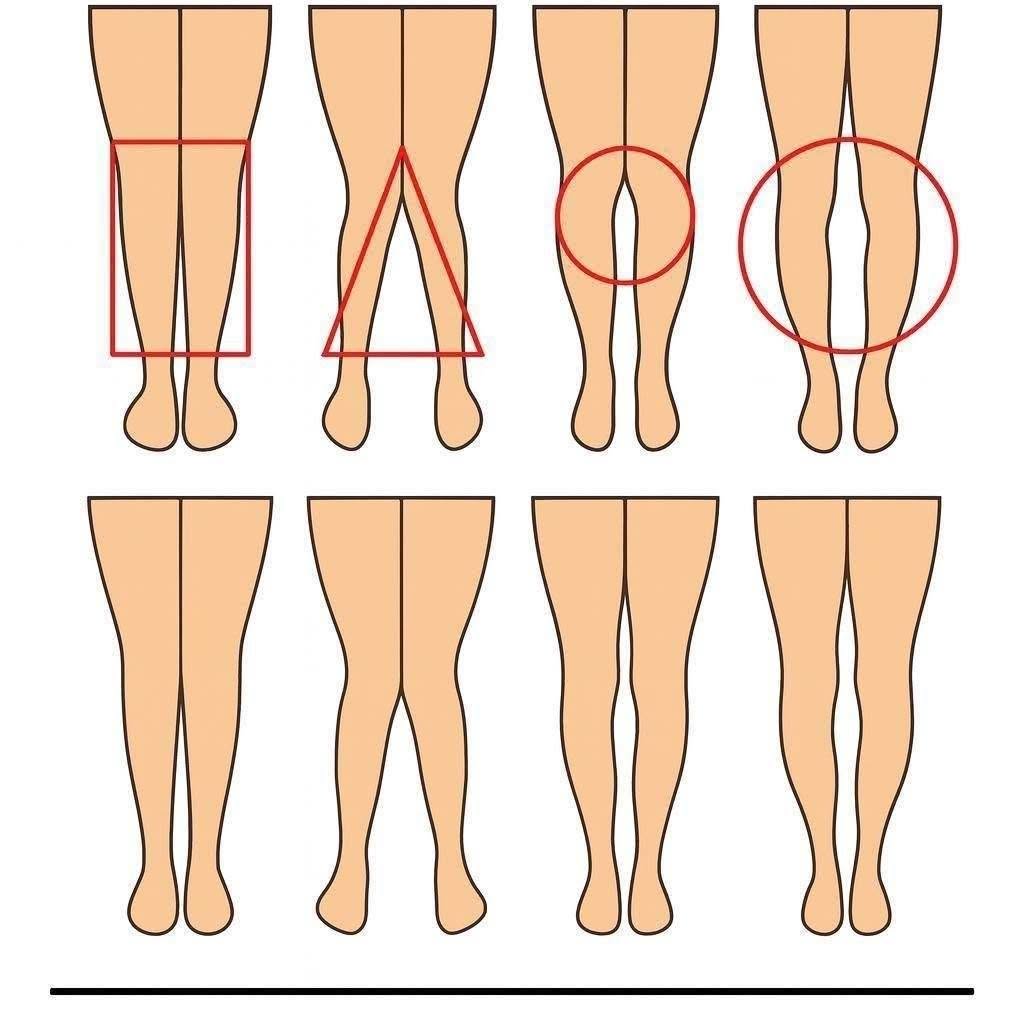
Leg shape and lower body alignment affect far more than aesthetic appearance—they directly influence gait, hip alignment, knee health, and overall posture. Variations in bone structure, joint angle, and muscle tone create distinct leg shapes, such as normal alignment, knock knees (genu valgum), bow legs (genu varum), and false bow legs.
In this complete guide, we break down the four primary leg shape types, how to self-assess your lower body alignment, and targeted exercises to support posture and joint stability.
The Four Primary Types of Leg Shapes
Understanding how your knees, ankles, and thighs align helps in identifying potential biomechanical imbalances:
1. Normal (Straight) Alignment
In standard leg alignment, the thighs, knees, calves, and inner ankles touch or come very close together when standing straight with feet together. Weight distribution across the knee joints and feet remains even.
2. Knock Knees (Genu Valgum)
Characterized by a triangular gap pattern above the ankles, knock knees occur when the knees touch or tilt inward toward each other while the inner ankles remain far apart.
3. Bow Legs (Genu Varum)
In bow-legged alignment, the knees curve outward away from each other, creating an oval or circular gap between the legs even when the inner ankles are touching together.
4. False Bow Legs (O-Type / Calves Gap)
In this variation, the knees and ankles touch normally, but an prominent gap exists between the lower calves due to muscle imbalance or lower leg curvature.
How to Assess Your Leg Shape and Alignment at Home
You can perform a quick visual self-assessment in front of a mirror:
-
Stand Straight: Stand bare-legged on a flat surface with your feet together and inner ankle bones nearly touching.
-
Observe Contact Points: Check where your legs naturally touch—ideally at the mid-thigh, knees, widest part of calves, and inner ankles.
-
Identify Gaps or Tilts: Note whether your knees touch before your ankles can (knock knees) or if a wide circular gap remains at the knee level (bow legs).
-
Check Foot Weight Distribution: Pay attention to whether your shoes wear down more on the inner edge (pronation) or outer edge (supination).
Smart Financial and Budget-Friendly Joint Health Tips
Promoting healthy joint alignment does not require expensive clinical equipment:
-
Incorporate Targeted Resistance Band Exercises: Simple, low-cost elastic bands allow you to perform clam shells, side-lying leg raises, and glute bridges at home to strengthen hip stabilizers.
-
Choose Supportive Everyday Footwear: Wearing shoes with proper arch support or basic orthotic insoles helps correct overpronation and reduces stress on knee joints.
-
Practice Regular Foam Rolling: Foam rolling tightness in the IT bands, hamstrings, and inner thighs improves muscle balance around the knee joints for zero added cost.
Frequently Asked Questions (FAQ)
Can leg shape be corrected through exercise?
While bone structure is genetic, targeted strengthening and stretching exercises can significantly improve muscle imbalances, posture, and alignment appearance.
Are knock knees or bow legs harmful over time?
Mild alignment variations are normal and common. However, severe misalignments can increase wear and tear on knee cartilage, potentially leading to joint discomfort or early osteoarthritis over time.
When should someone consult a physical therapist?
If leg alignment causes chronic knee, hip, or lower back pain, consulting a physical therapist or orthopedic specialist is recommended for a personalized evaluation.
Final Thoughts
Recognizing your unique leg shape is the first step toward improving lower body biomechanics and joint longevity. By combining supportive footwear, daily stretches, and targeted strengthening routines, you can maintain strong, healthy legs for years to come!
