
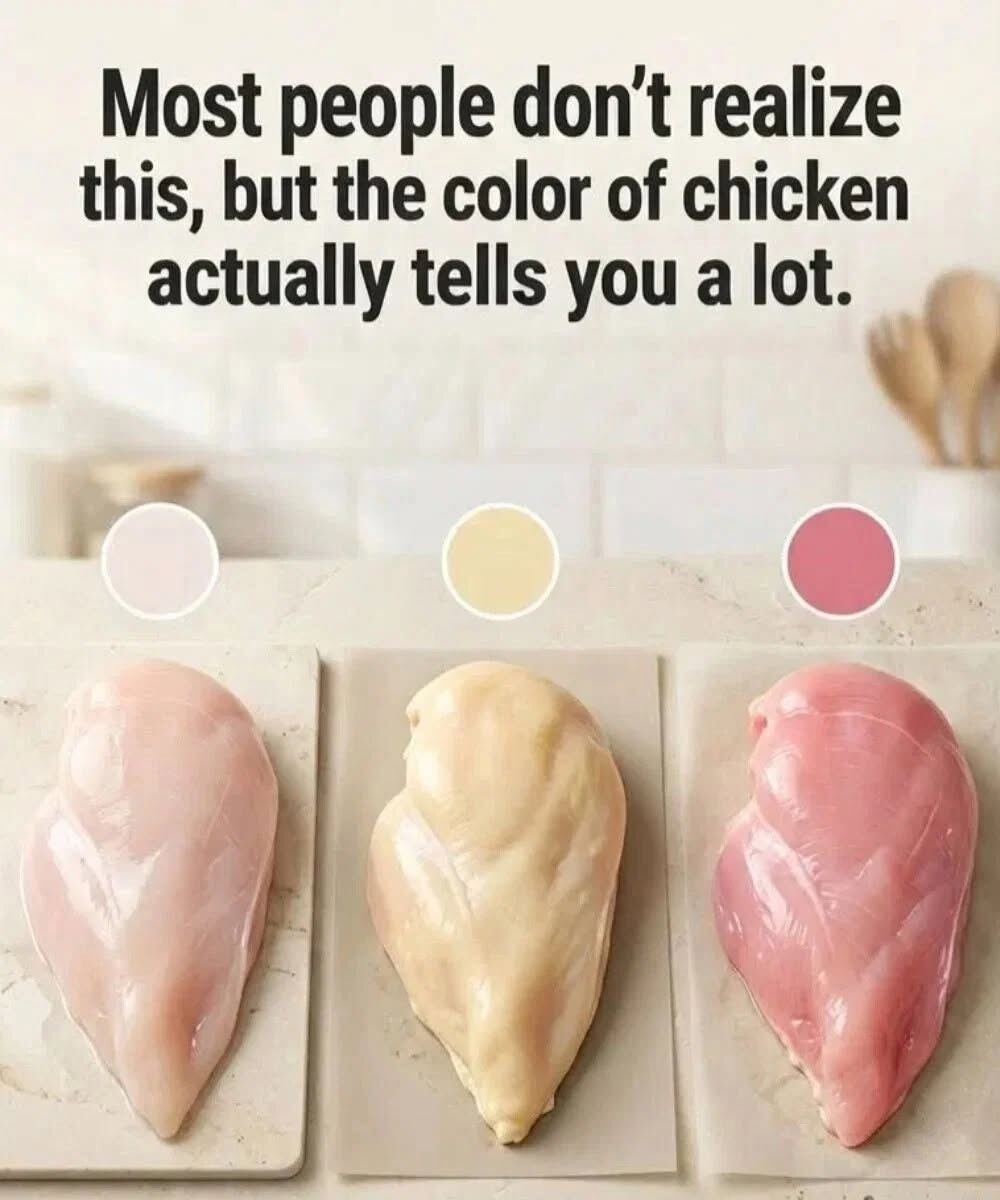
Chicken is one of the most widely consumed protein sources across the globe. Valued for its versatility, high protein content, and adaptability across various culinary traditions, raw chicken breast is a regular staple in home refrigerators and meal prep routines. However, if you have ever stood at the meat counter or opened a package of raw chicken at home, you may have noticed distinct variations in color—ranging from soft pale pink to yellow-tinged skin and deeper rosy red hues.
Understanding what causes these color differences is essential for both food safety and culinary quality. Does a yellow tint mean the chicken is spoiled? Does a deep pink color indicate higher quality? In this ultimate kitchen and food safety guide, we will break down the science behind raw chicken coloration, outline key signs of spoilage, explore safe storage habits, and share practical food preparation tips.
The Science of Raw Chicken Color: Why Variations Occur
The color of raw poultry meat is primarily determined by three major factors: the bird’s diet, its breed and age, and the presence of muscle pigments like myoglobin.
1. Light Pink / Pale Pink (Standard Commercial Chicken)
The classic light pink hue is what most shoppers expect to see in standard grocery store poultry. This color indicates that the chicken was fed a standard commercial diet (typically consisting of corn and soybean meal) and that the meat is fresh and properly hydrated.
2. Yellow or Creamy Tint (Diet and Pasture-Raised Birds)
A noticeable yellow tint on the skin or fat layer often causes concern for home cooks who mistake it for spoilage. However, a yellow shade is usually a sign of a specific diet!
-
Carotenoids and Corn: Chickens fed diets rich in yellow corn, marigold petals, or alfalfa absorb natural plant pigments called carotenoids.
-
Fat Deposition: These pigments deposit directly into the bird’s fat layer and skin, giving it a rich, buttery yellow appearance. In many regions, yellow-skinned chicken is considered a premium indicator of pasture-raised or corn-fed farming.
3. Deeper Pink to Rosy Red (Activity, Age, and Muscle Structure)
A deeper pink or slightly red tone can reflect higher concentrations of myoglobin—the protein responsible for storing oxygen in muscle tissue. Active, pasture-raised birds that move around more frequently develop higher myoglobin levels in their muscle fibers, resulting in darker, more intensely colored meat.
Raw Chicken Color Comparison Guide
Use this reference table to evaluate the visual appearance of raw chicken before cooking:
| Visual Appearance | Primary Cause | Is It Safe to Eat? | Quality Indicator |
| Light Pink | Standard corn/soy diet, high hydration | Yes (Fresh) | Standard commercial quality |
| Yellow / Creamy | High-carotenoid diet (corn, marigold) | Yes (Fresh) | Premium / Pasture-raised trait |
| Deep Rosy Pink | Higher myoglobin, active muscle | Yes (Fresh) | Richer flavor profile |
| Dull Gray / Greenish | Bacterial breakdown, oxidation | NO (Spoiled) | Discard immediately |
| Dark Brown / Faded | Air exposure, severe dehydration | NO (Spoiled) | Discard immediately |
How to Spot Spoiled Chicken: The 3 Essential Tests
While natural color variations are normal, knowing how to identify actual bacterial spoilage is critical for preventing foodborne illness. Always evaluate raw chicken using three core sensory checks:
+-------------------------------------------------------------------+
|                        FOOD SAFETY RULE                           |
| Never rely on color alone to determine freshness! Always check    |
| texture (tackiness/slime) and smell before cooking raw poultry.   |
+-------------------------------------------------------------------+
1. The Smell Test
Fresh raw chicken has a very mild, neutral scent. If you open a package and detect a sharp, sour, ammonia-like, or rotten odor, the meat has spoiled and must be thrown away immediately.
2. The Texture Test
Fresh raw chicken breasts should feel moist, soft, and firm to the touch. If the surface feels slippery, sticky, excessively slimy, or leaves a tacky residue on your fingers, bacterial growth has occurred.
3. The Visual Spoilage Check
While yellow or deep pink tones are safe, any signs of grayish-green discoloration, dark brown patches, or fuzzy mold spots mean the meat is no longer safe for consumption.
Safe Handling and Storage Best Practices
Preventing cross-contamination and preserving freshness starts with proper kitchen hygiene and temperature control.
Temperature and Refrigeration Limits
-
Refrigeration: Store raw chicken on the lowest shelf of your refrigerator at or below 40°F (4°C) to prevent juices from dripping onto other foods. Raw poultry should be cooked or frozen within 1 to 2 days of purchase.
-
Freezing: Raw chicken breasts can be vacuum-sealed or tightly wrapped and stored in the freezer at 0°F (-18°C) for up to 9 to 12 months for optimal quality.
Safe Thawing Techniques
Never thaw raw chicken on the kitchen counter at room temperature! The safest methods include:
-
Refrigerator Thawing: Transfer meat from the freezer to the fridge 24 hours before cooking.
-
Cold Water Bath: Submerge sealed chicken in a bowl of cold tap water, changing the water every 30 minutes.
-
Microwave Defrosting: Use the defrost setting only if you intend to cook the chicken immediately afterward.
Financial, Medical, and Health Safety Considerations
Adopting strict food safety and hygiene standards in the kitchen safeguards both physical health and household finances:
-
Preventing Foodborne Illness Costs: Contamination from bacteria like Salmonella or Campylobacter can lead to severe gastrointestinal illness, emergency room visits, and lost work days. Practicing food safety minimizes personal health and medical risks, protecting family wellness and avoiding out-of-pocket healthcare expenses under your insurance plan.
-
Smart Grocery Budgeting: Understanding that yellow or deep pink chicken is perfectly safe prevents unnecessary food waste. Keeping grocery spending efficient allows households to reallocate discretionary savings into long-term wealth building, such as a retirement fund, investment portfolio, or education savings plan.
-
Business & Food Industry Standards: Proper poultry handling protocols are vital across the commercial culinary and restaurant sectors, supporting food service business operations and regulatory compliance.
Fascinating Facts About Poultry and Muscle Tissue
-
Why Breast Meat is White: Chicken breast muscle consists primarily of fast-twitch muscle fibers used for short bursts of movement. These fibers contain very little myoglobin, giving the raw meat a pale pink or white appearance compared to dark leg/thigh meat.
-
The “Freezer Burn” Color Shift: White, dried-out patches on frozen chicken are caused by surface dehydration (freezer burn). While freezer-burned areas may taste dry or tough, they are safe to eat once cooked.
-
Cooking Temperature Is King: Regardless of raw meat color, all poultry must reach an internal temperature of 165°F (74°C) measured with a digital meat thermometer to ensure all harmful bacteria are eliminated.
Conclusion
The color of raw chicken breast provides fascinating insights into the bird’s diet, farm environment, and muscle structure. A soft pink color reflects standard grain diets, a rich yellow hue indicates a carotenoid-dense corn diet, and deeper rosy shades point to active muscle development. By combining an understanding of color variations with reliable smell and texture checks, you can confidently select, handle, and prepare safe, delicious poultry meals for your home!
Frequently Asked Questions (FAQ)
Is yellow raw chicken safe to eat?
Yes! A yellow hue on raw chicken skin or fat is usually caused by a diet high in yellow corn or marigold petals. As long as the meat smells fresh and does not feel slimy or sticky, it is completely safe and healthy to eat.
Why does raw chicken sometimes look slightly gray at the edges?
A slight color fade at the very edge of the meat can occur when raw chicken is exposed to oxygen in air-permeable plastic packaging. However, if the entire piece turns dull gray or greenish, it indicates bacterial spoilage and should be discarded.
Does white striping on raw chicken breast affect quality?
White striping—thin white fat lines running parallel across chicken breasts—is a muscle condition resulting from rapid bird growth. While it is safe to eat, breasts with heavy white striping tend to be slightly higher in fat and less tender when cooked.
Should you wash raw chicken before cooking?
No, never wash raw chicken in the sink! Washing raw poultry splashes microscopic bacteria up to three feet away onto countertops, faucets, and utensils, significantly increasing the risk of cross-contamination.
What causes raw chicken to smell like sulfur or eggs?
A faint sulfur or gas-like smell immediately upon opening vacuum-sealed packaging can occur due to trapped gases. Allow the meat to sit at room temperature for 5 to 10 minutes; if the smell dissipates completely and the texture is firm, it is safe. If a strong rotten odor remains, discard it.
