
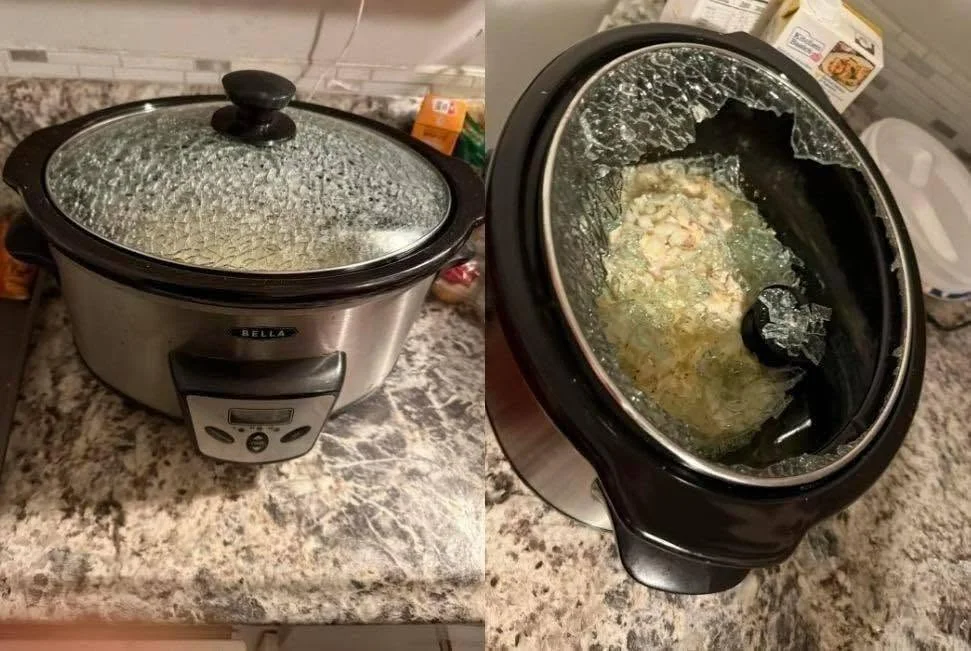
Why Slow Cooker Glass Lids Shatter: Thermal Shock, Safety, and Kitchen Hacks
Slow cookers (often referred to by the popular brand name Crock-Pots) are essential kitchen appliances cherished for their convenience, efficiency, and ability to prepare tender, flavorful meals with minimal effort. However, home cooks occasionally face a terrifying and messy kitchen disaster: a slow cooker glass lid suddenly cracking, crazing, or shattering into hundreds of tiny pieces directly into the cooking crock. This alarming occurrence not only ruins a warm meal but also raises urgent safety questions about glass cookware integrity and thermal stress.
Understanding the thermal and physical causes of slow cooker lid failure, practicing proper appliance care, and knowing how to prevent thermal shock helps home cooks maintain a safe, stress-free kitchen environment. In this comprehensive kitchen safety, appliance care, and culinary guide, we explore why slow cooker glass lids shatter, essential safety rules to prevent thermal shock, how to safely handle broken glass incidents, and practical tips for long-term cookware care.
Understanding Tempered Glass: Why Slow Cooker Lids Crack
Slow cooker lids are constructed from tempered glass, a specialized safety glass treated through controlled thermal or chemical processes to increase its strength compared to normal glass.
When tempered glass breaks, it disintegrates into small, relatively harmless granular chunks rather than sharp, jagged shards. While tempered glass is designed to withstand high heat, it remains vulnerable to internal tension, microscopic stress fractures, and sudden temperature shifts known as thermal shock.
Key Causes of Glass Lid Failure:
Thermal Shock: Exposing hot glass to cold air, cold liquid, or a cold countertop causes rapid uneven contraction, triggering instant stress fractures across the glass matrix.
Micro-Fissures from Physical Impacts: Minor bumps against granite countertops, drops in the sink, or scratching with metal utensils weaken the outer tension layer of tempered glass over time, leading to unexpected shattering later during heat exposure.
Trapped Steam and Pressure Buildup: If the steam vent hole on the lid becomes clogged by thick sauces, food splatter, or improper foil wrapping, pressure and heat build up unevenly under the glass.
Manufacturing Defects: Rare microscopic inclusions (such as nickel sulfide stones) trapped during glass production can expand over time under heat, causing spontaneous shattering without warning.
How to Prevent Slow Cooker Lid Shattering: Essential Safety Rules
Adopting simple appliance care habits significantly reduces the risk of glass damage and extends the life of your slow cooker:
1. Avoid Rapid Temperature Changes
Never place a hot glass lid directly onto a cold granite countertop, metal sink basin, or damp towel upon removing it from the slow cooker. Always place hot lids onto a dry wooden cutting board or heat-resistant trivet. Conversely, never place a ice-cold lid directly onto a preheated slow cooker.
2. Inspect Lids Periodically for Scratches and Chips
Examine your slow cooker lid regularly under bright light. If you spot hairline cracks, deep scratches, or chipped edges along the rim or around the handle screw, replace the lid immediately before using the appliance again.
3. Hand-Wash Lids with Non-Abrasive Sponges
While many manufacturers state glass lids are dishwasher-safe, high-heat drying cycles and clinking against heavy ceramic plates in the dishwasher can create invisible micro-fissures. Wash glass lids by hand using warm soapy water and a soft sponge, avoiding harsh steel wool or abrasive scouring pads.
4. Ensure Steam Vents Remain Unblocked
Verify that the small circular steam release hole in the metal rim or glass surface is completely clear before starting a cooking cycle. Avoid placing heavy dishcloths or aluminum foil tightly over the top of the glass lid while operating.
What to Do If Your Slow Cooker Lid Shatters
If you experience a glass lid failure during cooking, prioritizing safety and proper disposal is essential:
Unplug the Appliance Immediately: Turn off and unplug the slow cooker from the electrical outlet to allow the unit to cool down completely.
Discard the Food Completely: Never attempt to salvage food from a crock where glass has shattered, even if the food appears untouched beneath a surface layer. Microscopic glass particles can sink into liquids and pose severe internal injury risks if ingested.
Safe Disposal and Cleaning: Wear thick rubber gloves to remove large pieces. Use damp paper towels or a slice of soft bread pressed gently against surfaces to pick up tiny glass slivers, and dispose of everything securely in a sealed trash container.
Kitchen Appliance Safety, Warranty, and Home Insurance
Maintaining home kitchen appliances properly is an essential aspect of home risk management. Following manufacturer guidelines, registering new countertop appliances, and checking product recall databases prevent kitchen fires and home accidents.
If an appliance failure causes property damage, reviewing your home or renter’s insurance coverage provides peace of mind. Additionally, many major kitchen brands offer free replacement parts or full appliance replacements under standard product warranties for defect-related glass failures.
Frequently Asked Questions (FAQ)
Can you use aluminum foil as a temporary slow cooker lid?
Yes. If your glass lid breaks, you can tightly double-wrap heavy-duty aluminum foil over the top of the ceramic crock as a safe, heat-retentive temporary substitute while waiting for a replacement lid.
Can you buy replacement slow cooker lids separately?
Yes. Most major appliance manufacturers sell individual replacement glass lids online, or you can purchase universal silicone or tempered glass replacement lids measured to fit your specific crock diameter (e.g., 6-quart or 7-quart models).
Is shattered slow cooker glass dangerous to touch?
Tempered glass breaks into rounded, pebble-like pieces rather than long, razor-sharp blades, reducing severe cut hazards. However, small slivers can still pierce skin, so always wear protective gloves during cleanup.
