
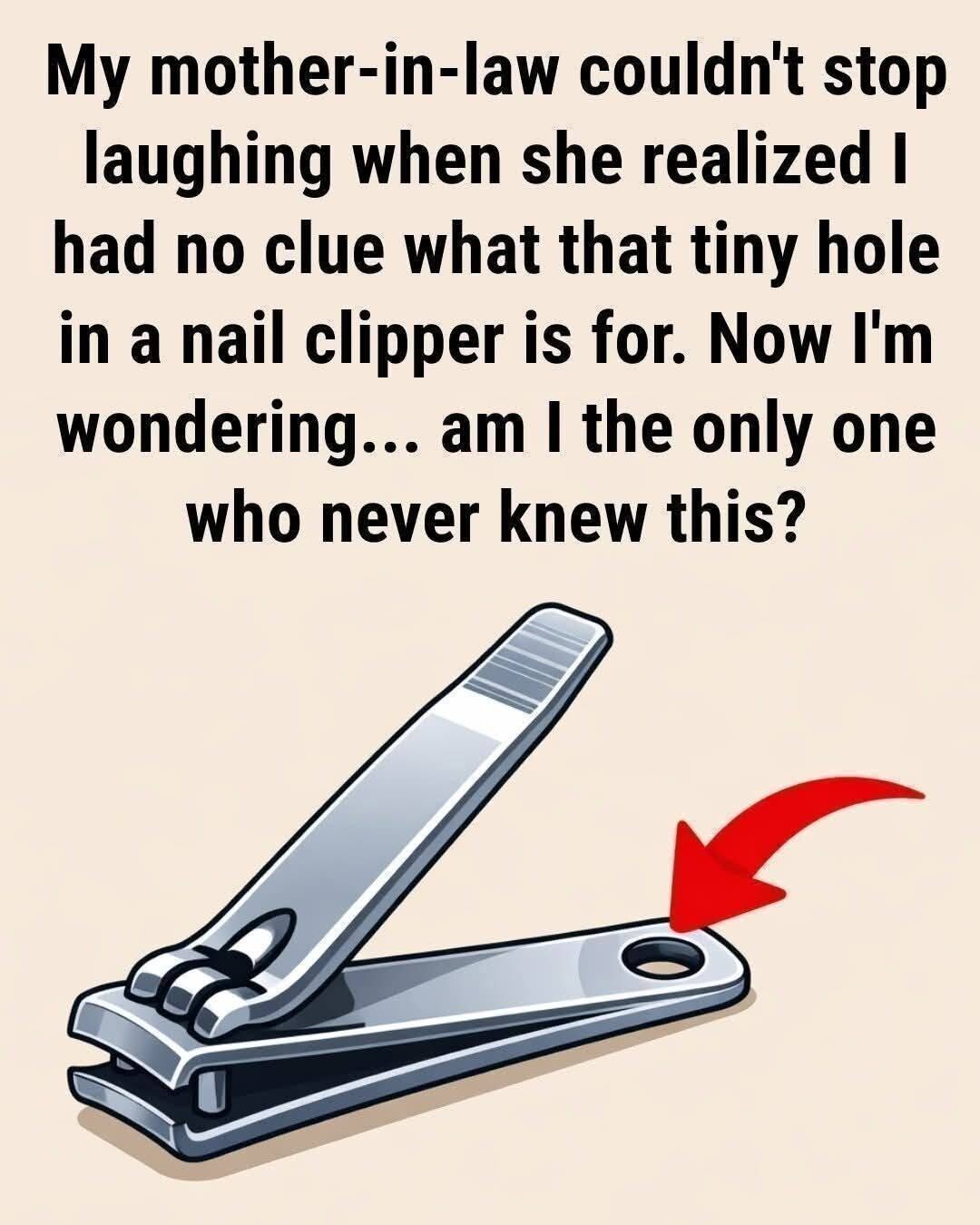
Nail clippers are one of those everyday personal care tools that almost everyone owns, yet few people ever stop to inspect closely. From travel toiletry kits to bathroom drawers, these compact metal devices quietly perform their routine job of keeping our fingernails and toenails neat and trimmed. However, if you look at the base handle of almost any standard lever-type nail clipper, you will notice a small, round hole drilled cleanly through the metal end.
While it might look like an accidental manufacturing artifact or a decorative detail, that small hole serves clever, intentional purposes. In this complete guide to everyday tools and design hacks, we will break down the true functions of the nail clipper hole, explore alternative practical uses, share maintenance tips to keep your grooming tools sharp, and take a look at the fascinating history behind this essential household device.
The Real Intent: Attachment and Portability
The primary reason manufacturers include a small hole at the base of a nail clipper is for portability and secure storage.
1. Keyring and Keychain Attachment
The most common intended function is allowing users to attach the clippers directly onto a keychain or key ring. Because nail clippers are small and frequently misplaced inside luggage, purses, or drawer organizers, threading them onto a keyring ensures you always have a quick grooming tool handy while traveling, camping, or on the go.
2. Lanyard and Carabiner Hooking
For outdoor enthusiasts, mechanics, or frequent travelers, the hole provides an anchor point to attach a lanyard, small carabiner, or cord loop. Hanging clippers inside a dopp kit or on a utility hook keeps them easily accessible and prevents them from sinking to the bottom of a crowded bag.
Practical Clever Hacks for the Nail Clipper Hole
Beyond standard keychain attachment, users and design enthusiasts have come up with several practical ways to utilize that small hole in daily life:
| Everyday Use Case | How It Works | Practical Benefit |
| Keychain Storage | Threads directly onto standard key rings | Keeps grooming tools accessible on the go |
| Hanging Wall Storage | Hooks onto small bathroom cup hooks or pegs | Frees up drawer space and prevents loss |
| Increased Leverage | Inserting a thin rod or key gives extra grip strength | Helps individuals with reduced hand strength |
| Identification Tags | Attach a color-coded ribbon or tag | Easily distinguishes personal clippers in family homes |
The Anatomy of a Standard Nail Clipper
Understanding how a nail clipper is constructed helps explain why every feature—including the hole—plays a part in its overall functionality:
+-------------------------------------------------------------------+
|                     NAIL CLIPPER COMPONENTS                       |
| 1. Cutting Edges (Curved Jaws)  - Trims the nail cleanly          |
| 2. Central Pin/Bolt             - Acts as the fulcrum point       |
| 3. Swivel Lever                 - Applies mechanical leverage     |
| 4. Base Hole                    - Secures to keychains/lanyards   |
+-------------------------------------------------------------------+
The Power of Mechanical Advantage
Standard clippers utilize a class-3 lever system combined with a secondary class-1 lever action when pressed down. The swivel lever multiplies the force applied by your thumb, driving the sharp curved blades together with enough pressure to slice through tough fingernails and toenails effortlessly.
Grooming Hygiene and Maintenance Best Practices
Keeping your personal care tools clean and functional ensures safe, hygienic manicure and pedicure routines at home:
Cleaning and Sanitization
-
Disinfect Regularly: Submerge metal clippers in isopropyl alcohol (70% or higher) for 5 to 10 minutes after each use to eliminate bacteria and fungi.
-
Dry Thoroughly: Always wipe clippers completely dry before storing them in a pouch or on a hook to prevent rust and corrosion on the cutting edges.
-
Avoid Sharing: To prevent the spread of nail fungus (onychomycosis) or bacterial infections, avoid sharing nail clippers among family members without thorough sterilization.
Financial, Health, and Daily Lifestyle Benefits
Maintaining proper personal grooming tools and practicing good hygiene yields lasting wellness advantages:
-
Preventing Painful Infections: Properly trimmed and sanitized nails prevent painful ingrown toenails, hangnails, and localized skin infections. Taking simple hygiene steps protects physical wellness, preventing unnecessary doctor visits and out-of-pocket medical costs covered under your health insurance plan.
-
Smart Budgeting on Personal Care: Maintaining durable, stainless steel tools at home reduces the need for frequent professional salon manicures, saving money that can be directed into investment, retirement, or education savings goals.
-
Travel Preparedness: Keeping compact grooming tools on keychains or in travel kits ensures you remain well-groomed during business trips or vacation travel.
Fascinating Facts About Nail Clippers
-
Patented in the 1800s: The first modern compound-lever nail clipper was patented in the United States by Chapel S. Carter in 1896, revolutionizing personal hygiene tools.
-
Fingernail vs. Toenail Clippers: Fingernail clippers feature a inward-curved blade matching the natural shape of fingernails, whereas toenail clippers feature a straight blade to help prevent painful ingrown edges.
-
The Built-In File Secret: Many clippers include a swing-out metal file with a pointed tip designed specifically to clean under the nail bed and smooth sharp edges post-trim.
Conclusion
That tiny hole at the end of your nail clipper is far from a random design mistake—it is an intentional feature built for keychain attachment, lanyard threading, and convenient hanging storage. By making your clippers portable and easy to find, this simple hole helps ensure you always have a reliable grooming tool whenever and wherever you need it!
Frequently Asked Questions (FAQ)
What is the primary purpose of the hole in a nail clipper?
The main purpose is to allow the nail clipper to be attached to keychains, key rings, lanyards, or small storage hooks for easy portability and loss prevention.
Can I put my nail clippers on a keychain for airport travel?
In most cases, standard small nail clippers are permitted in carry-on luggage by airport security agencies (such as the TSA). However, clippers with built-in long knives or sharp scissors may be subject to inspection or restriction.
What is the difference between curved and straight nail clippers?
Curved blades are designed to conform to the natural shape of fingernails, while straight blades are meant for toenails to prevent rounded cuts that can cause painful ingrown nails.
How do I stop my nail clippers from rusting?
Store your clippers in a dry area rather than a damp bathroom counter, and ensure they are dried completely after cleaning with alcohol or water. Choosing stainless steel clippers also prevents rust.
Should you cut nails wet or dry?
Fingernails are softer and less prone to splitting when trimmed slightly damp after a shower. However, extremely soft wet nails can sometimes bend; experiment to see whether wet or dry trimming works best for your nail thickness.
