
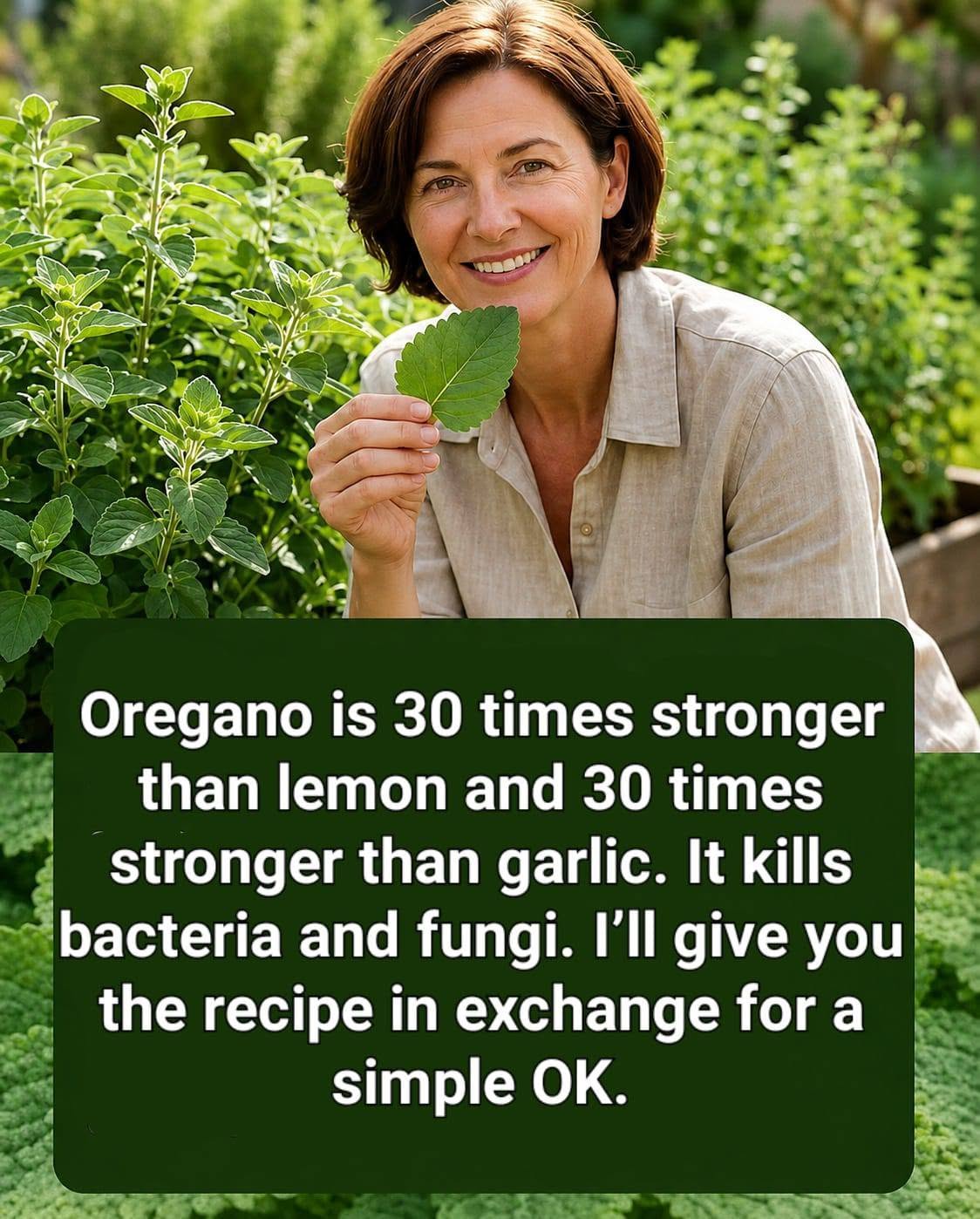
Oregano (Origanum vulgare) has been used for centuries as both a culinary staple and a traditional herbal remedy. In recent years, viral social media posts have claimed that oregano is “30 times stronger than lemon and garlic” at killing bacteria and fungi.
While oregano—particularly concentrated oregano essential oil—does possess impressive natural antimicrobial and antioxidant properties, exaggerated viral claims can create confusion about what herbal remedies can actually achieve. In this evidence-based guide, we examine the real science behind oregano’s active compounds, how it compares to other natural ingredients, and safe ways to incorporate it into your wellness routine.
The Science: What Makes Oregano So Potent?
The active health benefits of oregano stem primarily from two bio-active phenolic compounds found in high concentrations within its plant oil:
-
Carvacrol: The most abundant compound in oregano oil, carvacrol has been widely studied in laboratory settings for its ability to disrupt the outer cell membranes of various bacteria and harmful microorganisms.
-
Thymol: A natural antifungal and antiseptic agent that works synergistically with carvacrol to inhibit fungal growth, such as Candida albicans.
-
Rosmarinic Acid: A potent antioxidant that helps protect cells against free radical damage and reduces localized inflammation.
+-------------------------------------------------------------------+
|                     ANTIMICROBIAL SCIENCE                         |
| Carvacrol disrupts the outer lipid membrane of microbial cells,  |
| helping inhibit bacteria and fungi in lab environments!           |
+-------------------------------------------------------------------+
Fact-Checking the “30 Times Stronger” Claim
While oregano oil is a powerhouse herb, claims comparing it directly to lemon or garlic as “30 times stronger” oversimplify complex biochemical properties:
-
Antioxidant Capacity: Studies measuring ORAC (Oxygen Radical Absorbance Capacity) show that dried oregano possesses significantly higher antioxidant activity per gram than lemons and garlic. However, antioxidants are measured by free radical neutralization, not “strength against infections.”
-
Antimicrobial Mechanisms: Garlic contains allicin, an extremely potent sulfur compound with distinct antibacterial mechanisms that oregano does not share. Lemon juice provides citric acid and Vitamin C, which support immune defense through entirely different biological pathways.
-
In Vitro vs. Real World: Most studies proving oregano’s antibacterial strength occur in test tubes (in vitro) using concentrated essential oils. Eating culinary oregano leaf provides health benefits, but not at the concentrated dosage used in lab tests.
Natural Antimicrobials Compared
| Ingredient | Active Compound | Primary Health Role | Best Usage |
| Oregano Oil | Carvacrol & Thymol | Potent natural antimicrobial & antioxidant | Concentrated herbal supplements or diluted topical use |
| Garlic | Allicin | Broad-spectrum antibacterial & cardiovascular support | Raw or lightly cooked in daily meals |
| Lemon | Citric Acid & Vitamin C | Immune system support & gut alkalinity | Fresh juice in warm water or culinary dishes |
| Thyme | Thymol | Respiratory & airway defense | Teas, steam inhalation, and culinary seasoning |
Financial, Health, and Daily Lifestyle Benefits
Integrating functional herbs like oregano into your lifestyle offers distinct health and financial advantages:
-
Preventive Immune Support: Using nutrient-dense herbs helps support immune resilience during seasonal shifts, reducing minor sick days and minimizing routine medical or pharmacy expenses.
-
Lowering Healthcare Costs: Proactive lifestyle habits lower reliance on over-the-counter quick fixes, helping protect household budgets and keeping health insurance claims low.
-
Smart Wellness Spending: Cooking with whole herbs and spices provides high nutritional density at a fraction of the cost of expensive synthetic supplements, preserving funds for investment, retirement, or family education goals.
How to Prepare Homemade Oregano-Infused Oil
You can easily create a culinary infused oregano oil at home for cooking and wellness:
-
Clean and Dry: Wash fresh oregano leaves thoroughly and ensure they are 100% dry (moisture can cause spoilage).
-
Crush the Leaves: Lightly bruise or crush the leaves in a clean glass jar to release their essential oils.
-
Add Carrier Oil: Cover the leaves entirely with extra virgin olive oil or jojoba oil.
-
Infuse: Seal the jar and let it sit in a warm, sunny spot for 2 to 3 weeks, shaking gently every few days.
-
Strain: Strain out the leaves through a fine cheesecloth and store the infused oil in a cool, dark glass bottle.
Conclusion
Oregano is undoubtedly one of nature’s most effective antioxidant and antimicrobial herbs. While viral claims of being “30 times stronger” than other superfoods are exaggerated, adding fresh or dried oregano to your meals—or using diluted oregano oil mindfully—is a wonderful, natural way to support your overall wellness!
Frequently Asked Questions (FAQ)
Can I drink pure oregano essential oil directly?
No. Pure essential oil of oregano is extremely concentrated and caustic. Undiluted oil can burn the lining of your mouth, esophagus, and stomach. Always dilute essential oils in a carrier oil (like olive oil) or use enteric-coated capsules designed for internal consumption.
Is oregano oil a substitute for prescription antibiotics?
No. While oregano oil exhibits strong antibacterial properties in laboratory settings, it cannot replace prescription antibiotics for acute, serious bacterial infections. Always consult a medical professional for severe infections.
What is the difference between culinary oregano and oil of oregano?
Culinary oregano refers to the dried or fresh leaves of the plant used in cooking. Oil of oregano is an extract distilled from wild oregano species (Origanum vulgare) that concentrates active carvacrol and thymol levels for therapeutic supplement use.
Who should exercise caution when using oregano oil?
Pregnant or nursing women, individuals taking blood thinners, and people with allergies to the Lamiaceae plant family (mint, basil, sage, lavender) should consult a doctor before taking concentrated oregano supplements.
