
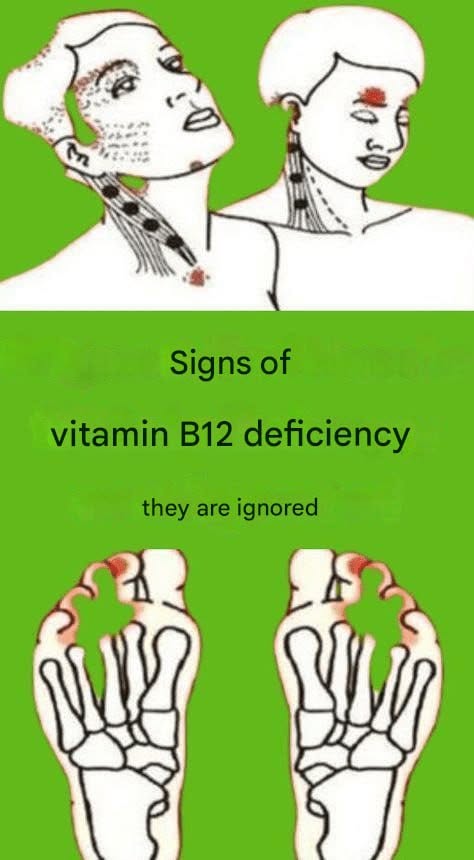
Vitamin B12 (cobalamin) is a critical micronutrient required for red blood cell production, DNA synthesis, and maintaining a healthy nervous system. Because the body cannot produce B12 on its own, it must be absorbed through food sources (like meat, fish, eggs, and dairy) or supplements.
Because B12 deficiency develops slowly over months or years, many of its early symptoms—such as mild fatigue, mood shifts, or occasional tingling—are easily dismissed or mistaken for aging or stress. Left untreated, long-term B12 deficiency can cause irreversible neurological damage and severe anemia. In this evidence-based guide, we examine the commonly ignored warning signs, who is most at risk, and how to safely restore optimal levels.
5 Commonly Ignored Symptoms of Vitamin B12 Deficiency
When B12 levels drop, both blood formation and nerve health are compromised, leading to distinct physical and neurological symptoms:
1. Tingling or Numbness in Hands and Feet (Peripheral Neuropathy)
Vitamin B12 is essential for producing myelin, the protective sheath that insulates nerves throughout the body. Without sufficient B12, nerve damage occurs, causing a “pins and needles” sensation or numbness in extremities.
2. Persistent Fatigue, Weakness, and Pale Skin
B12 is required to form healthy red blood cells. Deficiency leads to megaloblastic anemia, where the body produces abnormally large, immature red blood cells that cannot efficiently transport oxygen, resulting in chronic exhaustion and pale or yellowish skin (jaundice).
3. Balance Issues and Unsteady Gait
As nerve degeneration progresses in peripheral nerves and the spinal cord, individuals may experience difficulty walking, unsteadiness, or frequent loss of balance.
4. Memory Loss, Brain Fog, and Mood Changes
Low B12 levels impact neurotransmitter production and brain function, often manifesting as irritability, depression, severe brain fog, or memory problems that mimic early cognitive decline.
5. Swollen, Red, or Painful Tongue (Glossitis)
Glossitis causes the tongue to lose its tiny bumps (papillae), leaving it smooth, swollen, red, and tender. Mouth ulcers and burning sensations in the mouth are also common visual indicators.
B12 Deficiency Risk Factors & Clinical Indicators
+-------------------------------------------------------------------+
|                     WHO IS MOST AT RISK?                          |
| Vegans, older adults, and individuals taking acid blockers or     |
| metformin face significantly higher risks of low B12 absorption!  |
+-------------------------------------------------------------------+
| Risk Factor / Group | Primary Mechanism | Recommended Intervention |
| Strict Vegans & Vegetarians | Lack of direct dietary animal protein | Oral B12 supplements or fortified foods |
| Adults Over 50 | Reduced stomach acid (atrophic gastritis) limits B12 extraction | High-dose oral supplements or sublingual drops |
| Long-Term Medication Use | Metformin or acid reducers (PPIs) impair absorption | Routine serum B12 blood monitoring |
| Gastrointestinal Conditions | Celiac or Crohn’s disease damages absorption sites | Sublingual B12 or intramuscular injections |
Financial, Health, and Daily Lifestyle Benefits
Addressing nutritional deficiencies early protects long-term health and financial stability:
-
Preventing Permanent Neurological Damage: Identifying and treating B12 deficiency early prevents irreversible nerve degradation, avoiding long-term physical therapy and specialized clinical costs covered by health insurance.
-
Restoring Vitality and Productivity: Eliminating chronic fatigue and brain fog sharpens mental focus, improving work performance and overall quality of life.
-
Cost-Effective Health Protection: Oral B12 supplements are among the most affordable wellness products available. Proactive supplementation prevents costly emergency room visits and specialist care, preserving funds for long-term investment, retirement, or education goals.
Conclusion
Vitamin B12 deficiency is a silent yet highly treatable condition. If you experience persistent fatigue, numbness, balance difficulties, or cognitive fog, consult a physician for a simple serum B12 blood test. Early detection ensures you can restore your nerve function and vital energy before lasting damage occurs!
Frequently Asked Questions (FAQ)
What is the normal range for Vitamin B12 levels?
A standard blood test generally considers B12 levels between 200 pg/mL and 900 pg/mL normal. However, many health experts suggest that levels below 300 or 400 pg/mL can still trigger subtle neurological symptoms in sensitive individuals.
Can high doses of Vitamin B12 be toxic?
Vitamin B12 is water-soluble, meaning your body excretes excess amounts through urine rather than storing them in tissues. Because of this, B12 has a remarkably low toxicity risk even at high supplemental doses.
How long does it take to recover from B12 deficiency?
Energy levels and anemia often begin improving within 1 to 2 weeks of starting high-dose oral or injectable B12 therapy. Neurological recovery takes longer, often requiring several months of consistent treatment.
Is oral B12 as effective as B12 injections?
For most people, high-dose oral or sublingual B12 supplements (1,000 to 2,000 mcg daily) are just as effective as intramuscular injections at raising blood levels, though injections are preferred for severe absorption disorders like pernicious anemia.
