
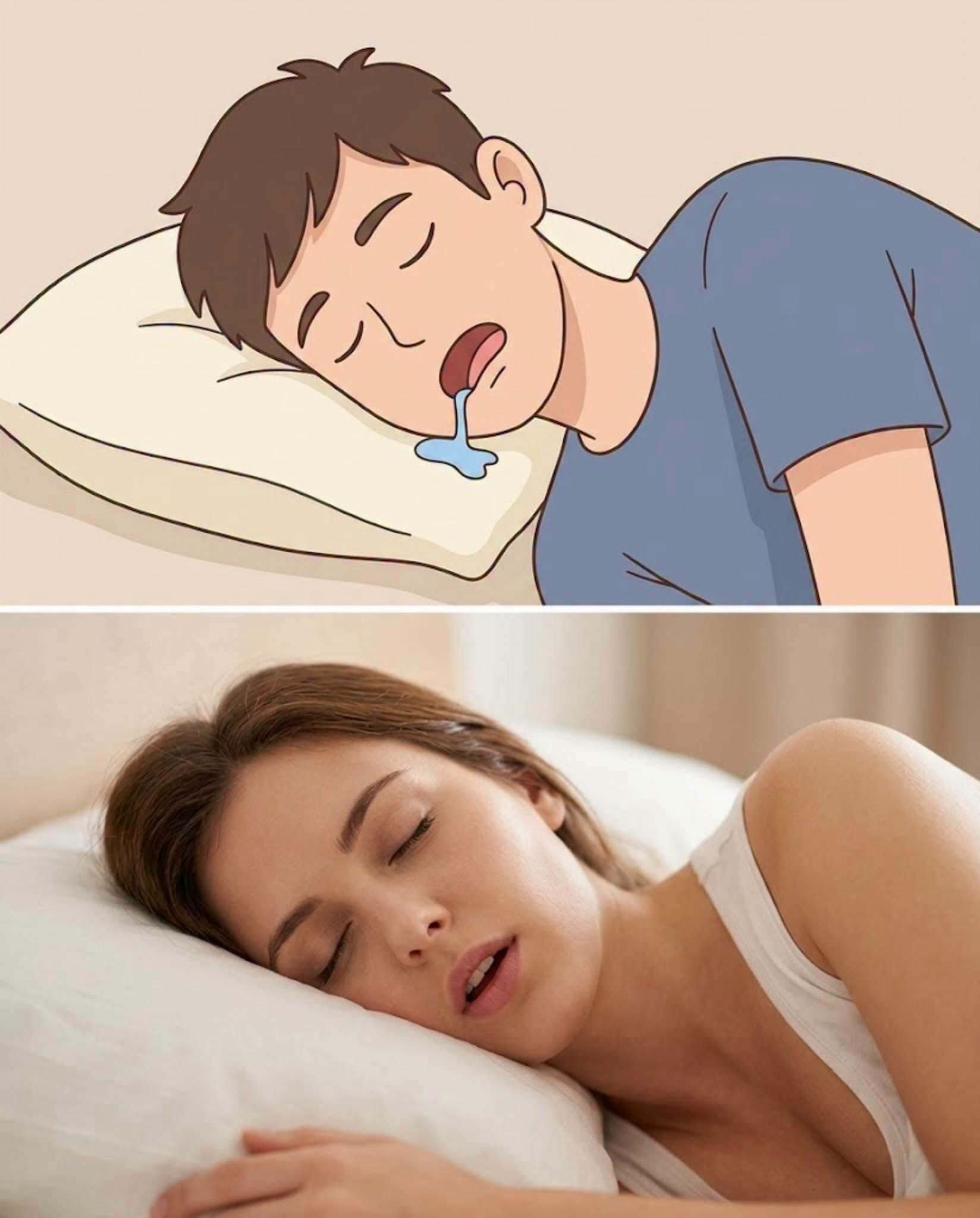
Drooling While Sleeping: Causes, Health Benefits, and When to Seek Help
Waking up to find drool on your pillow is an experience shared by millions of adults worldwide. While some may feel embarrassed by night drooling (sialorrhea during sleep), sleep specialists and medical professionals confirm that it is frequently a completely normal, physiological response to deep, restorative rest. When your body relaxes fully during sleep cycles, facial muscles and swallowing reflexes naturally ease, allowing excess saliva to escape—particularly if you sleep on your side or stomach.
However, persistent or excessive nocturnal drooling can sometimes indicate underlying nasal congestion, sleep position imbalances, mouth breathing habits, or neurological and airway issues. Understanding why drooling occurs during sleep allows you to optimize your sleep ergonomics, improve nasal breathing, and address any potential health concerns early. In this comprehensive sleep health and wellness guide, we explore the science behind nocturnal drooling, its primary causes, effective home solutions, and when to consult a healthcare provider.
The Physiology of Saliva Production and Sleep Mechanics
Saliva plays a fundamental role in oral health, digesting carbohydrates, lubricating food, and protecting tooth enamel from harmful bacteria. During waking hours, swallowing reflexes operate continuously and automatically to process the saliva produced by your salivary glands.
When you transition into deep sleep—particularly rapid eye movement (REM) sleep—your brain signals the voluntary muscles throughout your body to relax deeply. As facial and jaw muscles loosen, your mouth may naturally drop open slightly. If you are positioned on your side or stomach, gravity causes accumulated saliva to pool and flow out onto your pillow rather than triggering an automatic swallow.
Key Benefits of Saliva Production During Rest
Natural Oral Cavity Defense: Keeps oral tissues moist, neutralizing acids and preventing tooth decay or dry mouth complications.
Indicator of Deep REM Sleep: Drooling frequently occurs when you reach uninterrupted, deep restorative sleep stages where muscle relaxation is at its peak.
Airway Moisturization: Prevents throat dryness and tissue irritation caused by nighttime air exposure.
Primary Causes of Drooling While Sleeping
While deep muscle relaxation and sleeping on your side are the most common reasons for pillow drooling, several secondary factors can increase saliva output or force mouth breathing.
1. Side and Stomach Sleep Ergonomics
Sleeping on your stomach or side naturally aligns your mouth in a downward angle. Gravity draws any un-swallowed saliva outward through parted lips, making drooling far more likely than if you sleep flat on your back.
2. Nasal Congestion and Sinus Obstructions
When nasal passages are blocked by seasonal allergies, sinus infections, a deviated septum, or a common cold, breathing through your nose becomes difficult. To maintain oxygen intake during sleep, your body reflexively switches to mouth breathing, keeping the lips parted and allowing saliva to escape.
3. Acid Reflux and Gastroesophageal Reflux Disease (GERD)
Gastroesophageal reflux causes stomach acids to flow back up into the esophagus, irritating delicate throat tissues. In response, the vagus nerve signals your salivary glands to produce extra saliva (a phenomenon known as “water brash”) to help flush acid back down into the stomach.
4. Sleep Apnea and Breathing Disruptions
Obstructive Sleep Apnea (OSA) is a serious sleep disorder characterized by temporary airway blockages during sleep. Individuals with sleep apnea frequently gasp, snore loudly, and breathe through open mouths to pull in air, leading to excessive drooling, chronic dry mouth upon waking, and daytime fatigue.
5. Medication Side Effects and Neurological Conditions
Certain prescription medications—including specific antidepressants, Alzheimer’s therapies, and psychiatric drugs—can stimulate hyper-salivation (hypersalivation). Additionally, neurological conditions that affect swallowing control, such as Parkinson’s disease or post-stroke recovery, can lead to increased night drooling.
Effective Solutions to Reduce Nighttime Drooling
If nighttime drooling causes waking discomfort or impacts your sleep quality, making targeted lifestyle and sleep environment adjustments can help keep your mouth dry and your sleep uninterrupted.
1. Shift to Back Sleeping Positions
Train yourself to sleep on your back (supine position). Sleeping on your back allows gravity to naturally direct saliva toward the back of your throat, triggering automatic swallowing reflexes rather than allowing saliva to pool in your cheeks.
2. Clear Your Nasal Passages Before Bed
Prioritize nasal hygiene to ensure clear breathing throughout the night:
Use saline nasal sprays or a neti pot before bedtime to flush out pollen and mucus.
Apply nasal strip bands to physically open nasal passages and improve airflow.
Run a warm-mist humidifier in your bedroom to keep nasal membranes moist.
3. Manage Acid Reflux and Dietary Timing
Avoid heavy, acidic, fatty, or spicy meals at least 3 hours before going to bed. Elevating the head of your bed by 4 to 6 inches can also prevent stomach acid from traveling up your esophagus and triggering excess saliva production.
4. Practice Good Oral Hygiene and Stay Hydrated
Maintain a consistent oral care routine by brushing and flossing before sleep to reduce oral bacteria. Stay well-hydrated throughout the day; mild dehydration can actually cause saliva to thicken, making it feel more noticeable when drooling occurs.
When to Seek Medical Evaluation for Sleep Drooling
While occasional drooling is harmless, certain red-flag symptoms warrant a formal evaluation by a physician or sleep specialist:
Loud Snoring or Gasping for Air: Waking up choking, gasping, or suffering from severe morning headaches may indicate Obstructive Sleep Apnea.
Sudden, Excessive Saliva Changes: Unexplained hyper-salivation that develops rapidly without clear nasal congestion.
Difficulty Swallowing (Dysphagia): Experiencing trouble swallowing food, liquids, or saliva during waking hours.
Healthcare Planning and Sleep Quality Investments
Investing in your sleep health—whether through ergonomic contour pillows, high-quality air purifiers, or specialized medical evaluations—yields immediate dividends in daily energy, cognitive sharpness, and overall physical vitality.
If diagnostic sleep studies or specialized therapies (such as CPAP machines for sleep apnea) are needed, reviewing your health insurance coverage ensures access to comprehensive medical care without unexpected out-of-pocket expenses.
Frequently Asked Questions (FAQ)
Is drooling while sleeping a good sign?
In many cases, yes! Drooling often indicates that your body is reaching deep, uninterrupted REM sleep stages where your muscles fully relax and recover.
Can wearing a mouthguard help stop drooling?
Custom dental mouthguards or nightguards can help keep your jaw aligned and encourage a closed-mouth posture during sleep, reducing drooling caused by mouth breathing.
What is the difference between occasional drooling and sialorrhea?
Occasional drooling is a normal physiological occurrence linked to sleep position. Sialorrhea refers to chronic, excessive drooling caused by hyper-salivation or impaired neurological swallowing mechanisms that persist both day and night.
