
Weird Pocket in Your Bacon? What It Is and Why You Should Throw It Away
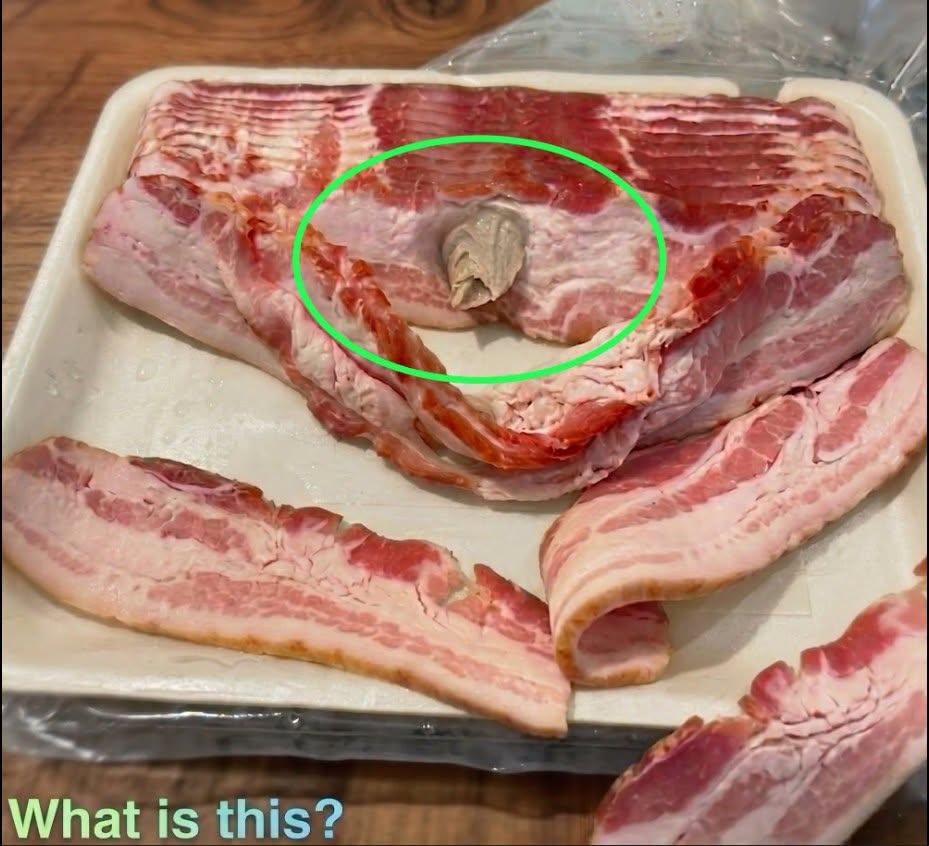
Opening a fresh package of bacon to prepare breakfast is a standard morning ritual for millions of households. However, every so often, home cooks uncover an alarming sight: a greyish, fibrous tissue pocket, lump, or swollen abscess embedded directly inside a slice of raw meat. Finding an unusual growth or fluid-filled pocket in commercial pork or beef cuts can instantly ruin an appetite and raise serious questions about meat safety, quality control, and potential health hazards.
Understanding meat anatomy, common livestock conditions, USDA food safety standards, and proper kitchen safety protocols helps consumers protect their families from foodborne illness and handle unwholesome meat products appropriately. In this comprehensive food safety, meat processing, and kitchen hygiene guide, we explore what causes these strange pockets in bacon, whether the meat is safe to consume, how to inspect raw meat at the grocery store, and essential guidelines for seeking refunds or reporting food quality issues.
What Causes Strange Pockets or Lumps in Raw Bacon?
When an unexpected mass, grey pocket, or encapsulated pocket appears in sliced raw pork belly (bacon), it is typically caused by one of three primary biological factors:
1. Injected Injections or Curing Tissue Reaction
During commercial processing, bacon is often cured using liquid brine solutions containing salt, water, sodium nitrite, and flavorings injected directly into the pork belly via fine needles. If an injection needle strikes a dense muscle pocket, blood vessel, or tendon, it can cause localized tissue tearing or a small pocket where liquid and rendered fat coagulate into an odd greyish mass.
2. Encapsulated Abscesses or Cysts
Livestock animals occasionally develop localized infections, cysts, or abscesses resulting from minor skin wounds, vaccination injections, or bacterial exposure. The animal’s immune system wall off the infected area with dense fibrous tissue to prevent it from spreading. If an encapsulated abscess is embedded deep within the pork belly muscle layers, automated slicing machines at meat processing plants may slice directly through it without operators noticing.
3. Benign Tumors or Fatty Tissue Degeneration
Pigs can develop benign growths, lipomas (fatty tumors), or localized tissue necrosis (damaged fat cell tissue). When processed, degraded fat tissue loses its natural white or pinkish color, turning greyish-brown and soft or fibrous compared to surrounding fresh fat.
Food Safety Alert: Is Bacon with an Abscess or Pocket Safe to Eat?
When you encounter a package of bacon containing a visible grey mass, tissue pocket, or suspicious lump, do not consume any portion of the bacon package.
Why the Entire Package Should Be Discarded:
Bacterial Contamination Risks: If the pocket is a rupturing abscess or cyst, it contains bacterial buildup. When automated machinery slices through an abscess, the blades spread bacteria across every subsequent slice of bacon in that batch.
Toxins and Unpleasant Odors: Cooking contaminated meat does not always neutralize heat-stable bacterial toxins or eliminate unpleasant chemical odors released during heating.
Risk of Foodborne Illness: Consuming contaminated pork can lead to severe gastrointestinal distress, including nausea, vomiting, abdominal cramps, and bacterial food poisoning.
How Meat Quality Is Regulated: USDA Inspection Protocols
In the United States, the Food Safety and Inspection Service (FSIS)—an agency of the U.S. Department of Agriculture (USDA)—is responsible for inspecting commercial livestock slaughter facilities and processing facilities.
While federal inspectors and plant quality control managers inspect animal carcasses to ensure meat is wholesome and safe, high-speed industrial processing lines cut and package thousands of pounds of bacon per hour. Deep-seated muscle abnormalities buried inside dense pork belly layers can occasionally slip past visual inspection lines, ending up on grocery store shelves.
Quality Control Checklist for Shopping Fresh Meat:
Inspect Package Seals: Always choose meat sealed in airtight, vacuum-packed packaging free from tears, punctures, or loose plastic.
Examine Color and Fat Uniformity: Fresh pork belly bacon should display bright pink to reddish lean meat strips interspersed with clean, firm white fat layers. Avoid meat with greyish patches, yellow fat, or greenish discoloration.
Check the Expiration and Sell-By Dates: Always check package sell-by dates to ensure maximum freshness and shelf stability.
What to Do If You Buy Defective or Contaminated Meat
If you open a meat product at home and discover an abscess, strange pocket, or signs of spoilage, follow these practical steps:
1. Do Not Attempt to Trim and Cook the “Good” Parts
Discard the entire package immediately. Trimming around a visible infection or abscess does not guarantee that surrounding tissues are free from microscopic bacterial cross-contamination.
2. Double-Bag and Secure the Package
Place the defective bacon back into its original packaging, seal it inside a heavy-duty plastic freezer bag, and place it in an outdoor trash container to prevent kitchen odors and pet exposure.
3. Request a Grocery Store Refund or Contact the Manufacturer
Most major supermarket chains and food brands offer full refunds or replacement guarantees for defective products. Take a clear photograph of the defective product along with the product lot code, expiration date, and receipt, then contact customer service.
4. Report Major Quality Control Violations
If you suspect widespread contamination or purchase spoiled products repeatedly from the same retailer, report the issue to the USDA Meat and Poultry Hotline or your local health department to trigger a facility food safety review.
Managing Healthcare Coverage and Foodborne Illness Risks
While encountering defective meat is rare, foodborne illnesses can lead to unexpected medical expenses, doctor visits, or urgent care hospitalization. Maintaining comprehensive health insurance coverage ensures peace of mind and access to quality medical treatment if severe food poisoning symptoms occur.
By practicing strict kitchen hygiene, inspecting raw ingredients carefully, and discarding questionable meat products, you protect your family’s health and maintain high standards for home meal preparation.
Frequently Asked Questions (FAQ)
Can I just cut off the strange pocket and cook the rest of the bacon?
No. Cutting away the visible pocket does not remove microscopic bacterial contamination spread across other slices during industrial machine slicing. Discard the entire package.
What should fresh bacon look like?
Fresh bacon should feature bright pinkish-red lean meat balanced with clean white fat. It should feel firm to the touch, be free of slimy residues, and carry a fresh, mild smoky aroma.
How can I report defective meat to the USDA?
You can report unwholesome meat or food safety complaints to the USDA Food Safety and Inspection Service via their toll-free hotline (1-888-MPHotline) or through their online consumer complaint portal.
