
How to Use Your Washing Machine Drawer Correctly: A Complete Guide to Compartment Numbers & Symbols
If your laundry comes out of the washing machine feeling stiff, unwashed, or smelling faint, the culprit might not be your detergent—it could be pouring products into the wrong compartment in the dispenser drawer. Modern front-loading and top-loading washing machines feature three distinct sections in the detergent drawer, each designed to release products at precise times during the wash cycle.
In this complete guide, we decode what compartments 1, 2, and 3 mean, explain the standard symbols used by manufacturers, and share budget-friendly laundry hacks to maximize efficiency.
Decoding the 3 Washing Machine Drawer Compartments
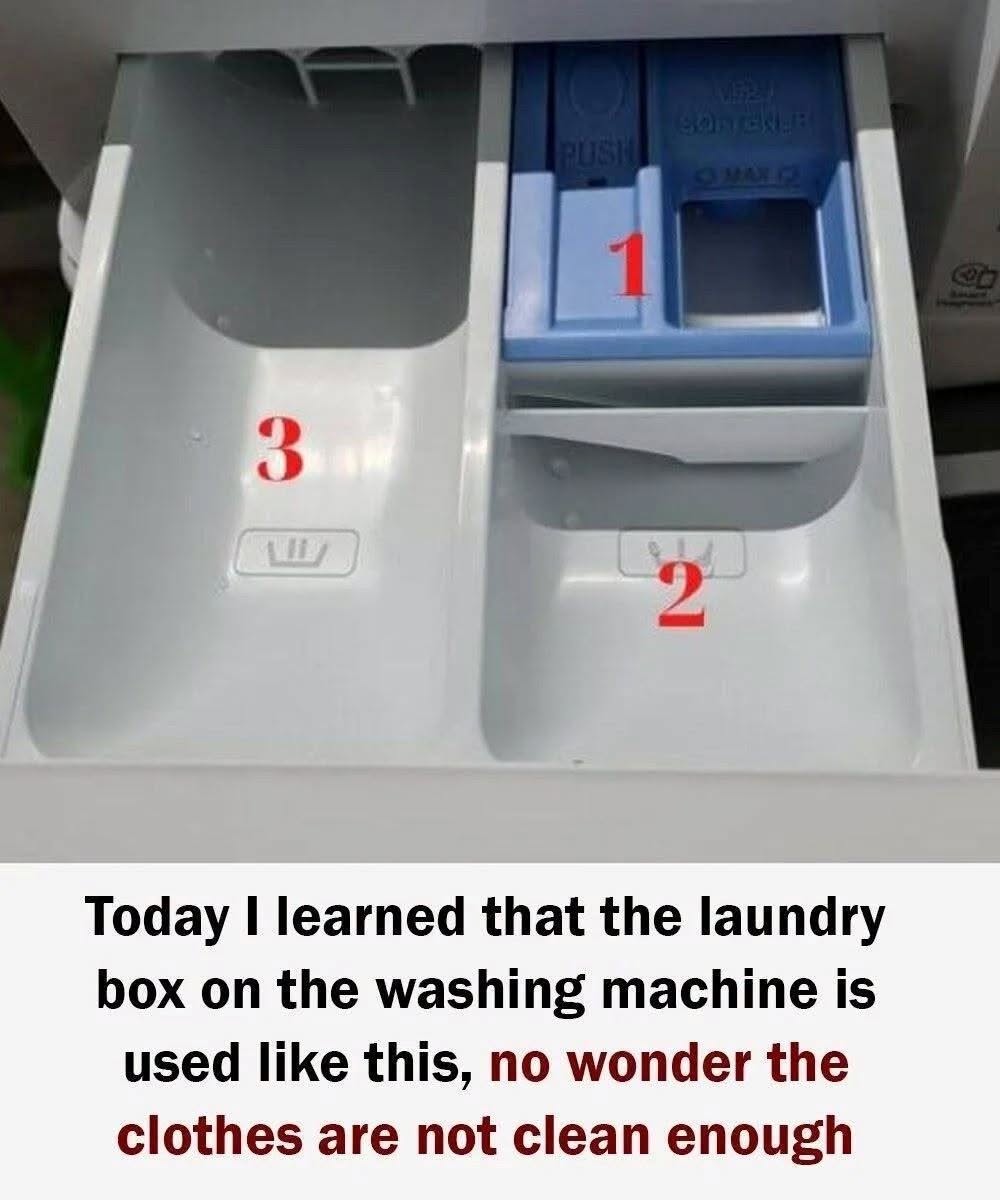
While compartment layout varies slightly by manufacturer, front-load washer drawers are generally divided into three specific sections:
Compartment 1: Fabric Softener / Liquid Additives (Flower Symbol)
-
Location: Usually marked with a flower icon, a blue siphon insert, or a “MAX” line.
-
Purpose: This compartment holds fabric softener, conditioning rinses, or diluted vinegar. The machine dispenses this liquid automatically during the final rinse cycle to keep fabrics soft and fresh.
Compartment 2: Pre-Wash Detergent (Symbol ‘I’ or Single Bar)
-
Location: Often marked with the Roman numeral I or a single vertical bar symbol.
-
Purpose: Reserved exclusively for pre-wash cycles. Fill this slot with detergent or stain-remover powder only when washing heavily soiled items, mud-caked activewear, or work clothes before the main cycle starts.
Compartment 3: Main Wash Detergent (Symbol ‘II’ or Double Bar)
-
Location: Usually marked with the Roman numeral II or a double vertical bar symbol.
-
Purpose: The most frequently used section! This compartment holds liquid or powder detergent for your standard main wash cycle. Putting detergent here ensures it washes into the drum during the primary cleaning phase.
Step-by-Step Guide to Efficient Laundry Loading
Following a quick loading routine guarantees cleaner clothes while protecting your washing machine:
-
Identify the Symbols: Inspect your dispenser drawer for icons—flower for softener, ‘I’ for pre-wash, and ‘II’ for main wash.
-
Measure Detergent Accurately: Avoid overfilling past the “MAX” line; using excessive detergent creates surplus suds that leave stiff residue on fabrics.
-
Select the Right Cycle: Only add detergent to Compartment 2 (‘I’) if you explicitly select a “Pre-Wash” setting on your machine dial.
-
Clean the Dispenser Drawer Monthly: Press the release tab (often marked “PUSH” near the softener slot) to slide the drawer out and rinse away accumulated mold or detergent buildup under warm water.
Smart Financial and Budget-Friendly Laundry Care Tips
Optimizing how you use your washing machine cuts detergent waste and lowers utility bills:
-
Swap Store Softener for White Vinegar: Pouring 1/4 cup of distilled white vinegar into Compartment 1 naturally softens clothes, removes odors, and prevents mineral buildup without greasy chemicals.
-
Use Half the Recommended Detergent: Modern high-efficiency (HE) laundry detergents are highly concentrated. Using half a capful usually cleans normal loads effectively while saving money.
-
Wash in Cold Water: Running routine loads in cold water saves up to 90% of the energy consumed by heating water during wash cycles.
Frequently Asked Questions (FAQ)
What happens if I put detergent in the fabric softener compartment?
If detergent goes into Compartment 1 (softener), the machine will release it during the final rinse phase. This leaves soap residue on your clothes, making them stiff and itchy.
Should I put pods in the detergent drawer?
No! Detergent pods should always be placed directly at the bottom of the washing drum before adding clothes so they dissolve completely in water.
Why is water leftover in my detergent drawer after a wash?
A clogged siphon or detergent buildup in the softener cap often prevents complete drainage. Removing and rinsing the drawer restores proper water flow.
Final Thoughts
Understanding your washing machine’s drawer symbols ensures that soaps and conditioners are dispensed at the exact right moment during every wash. By matching detergent types to the correct compartments and adopting simple budget hacks, you can enjoy cleaner, softer clothes while extending the lifespan of your appliance!
