
Lone Star Tick Alert: Identification, Alpha-Gal Syndrome, and Protection
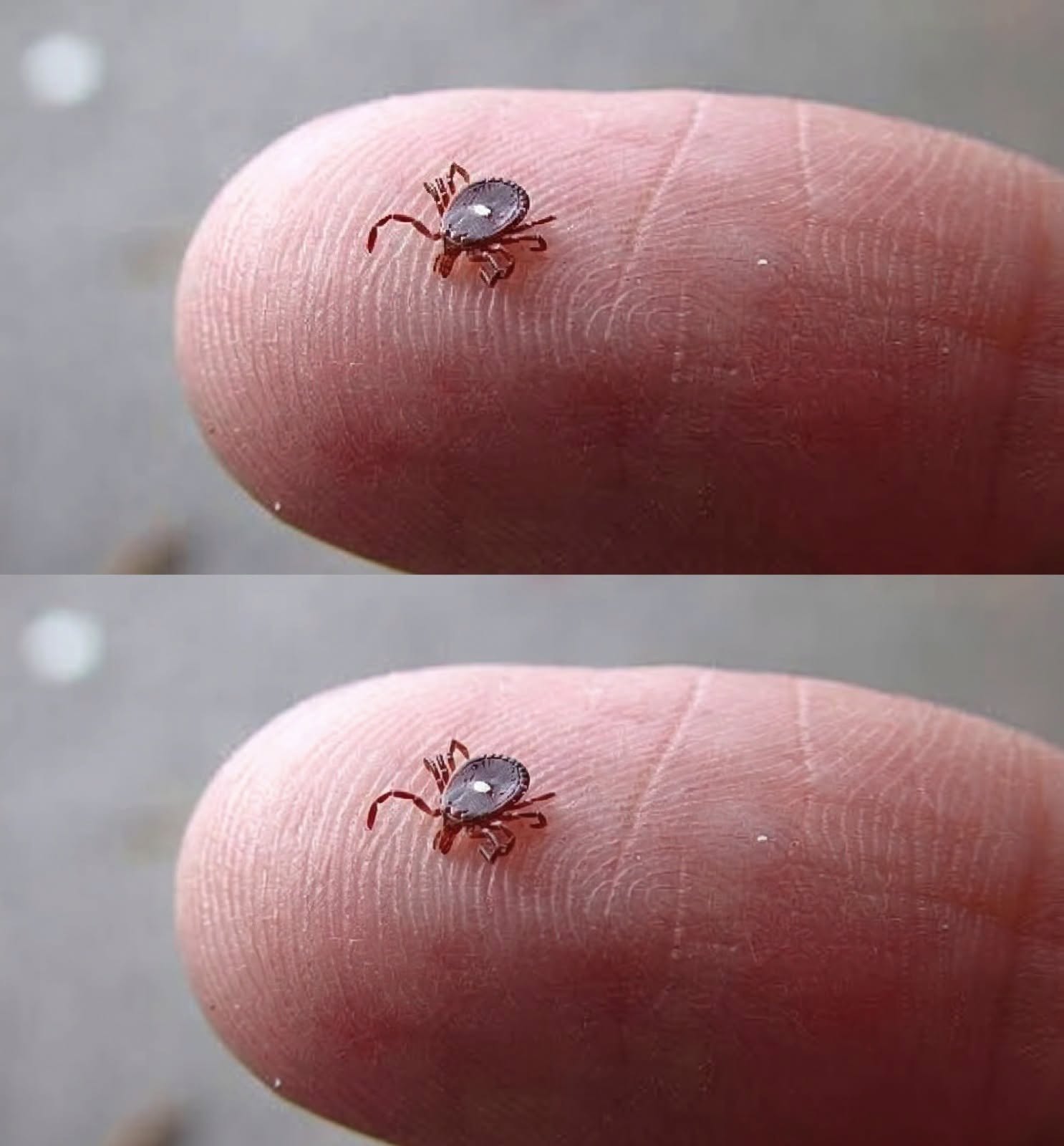
As outdoor activities like hiking, camping, and yard maintenance increase during warmer months, encounters with blood-sucking parasites become a significant concern for families and pet owners. Among the various tick species found across the United States, the Lone Star tick (Amblyomma americanum) stands out as one of the most aggressive and distinctive. Instantly recognizable by the bright white or silver dot on the back of adult females, this small arachnid has gained widespread public attention due to its unusual ability to trigger a red meat allergy in humans.
Understanding how to identify the Lone Star tick, recognizing symptoms of tick-borne illnesses, and practicing effective outdoor bite prevention allows you to enjoy nature safely. In this comprehensive medical, health, and outdoor safety guide, we explore the biology of the Lone Star tick, the fascinating connection to Alpha-Gal syndrome, essential tick removal protocols, and key steps for seeking healthcare and medical treatment.
How to Identify the Lone Star Tick
The Lone Star tick is a medium-sized arachnid common throughout the Eastern, Southeastern, and Midwestern regions of the United States. While both males and females bite humans and animals, their physical appearances differ slightly:
Distinctive Biological Features:
Adult Female: Features a prominent, single silvery-white spot or star-shaped mark in the center of her shield (scutum).
Adult Male: Lacks the single distinct white dot; instead, males display subtle reddish-brown streaking or pale markings around the outer edges of their bodies.
Aggressive Questing Behavior: Unlike blacklegged (deer) ticks that move slowly, Lone Star ticks are active hunters. They actively crawl toward heat, carbon dioxide, and vibrations emitted by passing hosts.
The Alpha-Gal Syndrome Connection: The Red Meat Allergy
One of the most unique medical risks associated with the Lone Star tick bite is Alpha-Gal Syndrome (AGS), an unusual, delayed allergic reaction to red meat and mammalian products.
How a Tick Bite Causes a Food Allergy:
Transmission of Sugar Molecules: Lone Star ticks naturally carry a sugar molecule called galactose-alpha-1,3-galactose (alpha-gal) in their saliva, which they ingest when feeding on mammals like deer, cows, or pigs.
Immune System Sensitization: When an infected tick bites a human, it injects alpha-gal into the bloodstream. The human immune system identifies this foreign sugar as a threat and produces specific IgE antibodies to fight it.
Delayed Allergic Reactions: Once sensitized, eating red meat (beef, pork, lamb, venison) or consuming dairy and gelatin triggers an allergic reaction. Unlike typical food allergies that occur immediately, Alpha-Gal reactions usually appear 3 to 6 hours after eating, making diagnosis challenging.
Common Symptoms of Alpha-Gal Syndrome:
Hives, itchy skin rashes, and facial swelling.
Severe abdominal cramps, nausea, vomiting, and diarrhea.
In severe cases, life-threatening anaphylaxis requiring emergency medical intervention.
Other Tick-Borne Diseases Transmitted by Lone Star Ticks
While Lone Star ticks do not transmit Lyme disease, they carry several other pathogenic bacteria and viruses that require medical diagnosis and antibiotic treatment:
Ehrlichiosis: A bacterial infection causing sudden high fever, severe muscle aches, fatigue, and severe headaches.
STARI (Southern Tick-Associated Rash Illness): Produces a circular “bullseye” skin rash surrounding the bite site, often accompanied by fatigue and fever, similar to early Lyme disease.
Heartland and Bourbon Viruses: Rare viral infections causing fever, low white blood cell counts, and severe fatigue.
Proper Tick Removal: Step-by-Step Medical Protocol
If you discover a tick attached to your skin, removing it quickly and correctly reduces the risk of pathogen transmission.
Recommended Safe Removal Protocol:
Use Fine-Tipped Tweezers: Grasp the tick as close to the skin surface as possible, near its mouthparts.
Pull Upward with Steady Pressure: Pull straight up with even, steady pressure. Do not twist, jerk, or squeeze the tick’s body, which can cause mouthparts to break off or force fluids into the bite.
Cleanse the Area Thoroughly: Wash the bite site and your hands with rubbing alcohol, iodine swab, or soap and warm water.
Never Use Unproven DIY Hacks: Avoid smothering the tick with petroleum jelly, nail polish, or burning it with a match. These methods irritate the tick, causing it to regurgitate saliva into the wound.
Outdoor Protection and Healthcare Planning
Preventing tick bites requires proactive preparation when venturing into wooded, brushy, or grassy areas:
Use EPA-Registered Insect Repellents: Apply repellents containing DEET, Picaridin, or Oil of Lemon Eucalyptus (OLE) directly to exposed skin.
Treat Outdoor Gear with Permethrin: Spray boots, clothing, and camping gear with 0.5% Permethrin spray, which kills ticks on contact.
Perform Daily Body Checks: Shower within two hours of coming indoors and conduct a thorough full-body tick check, paying close attention to hairlines, underarms, waistlines, and behind knees.
Review Health Insurance Coverage: Ensure your health insurance plan covers primary care visits, specialized allergy testing (alpha-gal IgE blood tests), and prescription antibiotic therapies if tick-borne illness symptoms develop.
By staying vigilant outdoors and knowing how to respond to tick encounters, you can safely enjoy nature while protecting your long-term health.
Frequently Asked Questions (FAQ)
Does a Lone Star tick bite always cause a red meat allergy?
No. Not every Lone Star tick bite leads to Alpha-Gal Syndrome. Sensitization depends on individual immune responses and whether the tick carried alpha-gal molecules in its saliva.
How long does Alpha-Gal Syndrome last?
Alpha-Gal Syndrome varies by individual. For some people, antibody levels decrease over several years if they avoid further tick bites, allowing them to eventually tolerate red meat again.
What should I do with the tick after removal?
Place the removed tick in a sealed bag or small container with alcohol, or take a clear photograph of it. This helps healthcare providers identify the tick species if you develop a fever or rash in the following weeks.
