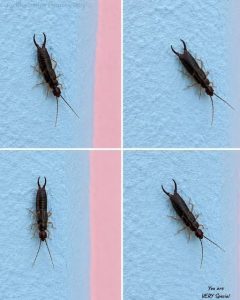
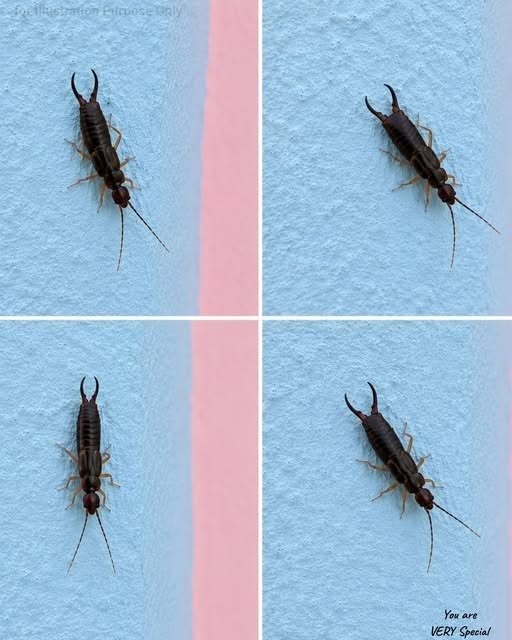
What Are Earwigs? Facts, Myths, and How to Get Rid of Them SafelyDiscovering strange, dark insects with formidable pincers crawling across your bathroom tiles, kitchen counters, or garden beds can be an alarming experience for any homeowner. Known common household invaders called earwigs (often referred to as “pincher bugs”) are frequently misunderstood insects. Myths and urban legends surrounding earwigs have given them a sinister reputation, with many people believing they bite humans, pinch aggressively, or crawl into ears while people sleep.However, entomologists and pest control experts emphasize that earwigs are virtually harmless to humans and play a beneficial role in outdoor ecosystems. Understanding why earwigs enter homes, how to address moisture issues that attract them, and how to safely deter them keeps your living space pest-free without resorting to excessive toxic chemicals. In this comprehensive pest control, home maintenance, and prevention guide, we explore earwig biology, debunk popular myths, share safe natural removal methods, and discuss essential home care strategies.What Are Earwigs? Anatomy and Behavior ExplainedEarwigs belong to the insect order Dermaptera, characterized by their elongated, flattened bodies, thread-like antennae, and prominent pincer-like appendages located at the rear of their abdomen. These pincers—scientifically known as cerci—are used primarily for defense against predators, capturing prey, and mating rituals rather than attacking humans.Earwigs are nocturnal creatures that thrive in dark, cool, and high-moisture environments. During daytime hours, they seek shelter under mulch, fallen leaves, damp woodpiles, garden stones, and outer foundation cracks. When outdoor weather becomes excessively dry, hot, or overly saturated by heavy rains, earwigs often migrate indoors searching for damp refuge.Key Facts About EarwigsMostly Harmless to Humans: Earwigs do not sting, carry human diseases, or possess venom. While male earwigs have curved pincers that can pinch lightly if handled roughly, their force is rarely enough to break human skin.Natural Garden Cleaners: Outdoors, earwigs act as natural scavengers, consuming decaying organic matter, plant debris, and harmful garden pests like aphids, scale insects, and insect eggs.Attracted to Moisture: Damp basements, crawl spaces, under-sink cabinets, laundry rooms, and leaking pipes are prime indoor entry points for migrating earwigs. Debunking the Infamous “Earwig” MythThe name “earwig” originates from an old European myth claiming that these insects burrow into sleeping humans’ ears to lay eggs or bore into the brain.The Medical Truth:This legend is entirely false. While an earwig might occasionally crawl into a warm, dark sleeping space by complete accident (just as any tiny crawling bug might), they do not seek out human ears, do not lay eggs inside human bodies, and pose zero threat to human neurological health.Why Earwigs Invade Homes and Where They HideUnderstanding what attracts earwigs inside helps homeowners target root causes rather than relying strictly on chemical sprays.Common Indoor Hiding Spots:Basements and Crawlspaces: High humidity levels and dark corners create perfect conditions for moisture-seeking bugs.Under Kitchen and Bathroom Sinks: Minor pipe leaks, condensation, and dark vanity cabinets attract earwigs quickly. Potted Houseplants: Overwatered indoor plant soil provides abundant moisture and organic material for earwigs to nest.Window sills and Door Frames: Unsealed door sweeps and cracked caulking along exterior ground-level windows serve as primary entry routes.Safe, Natural Ways to Remove and Prevent EarwigsEliminating an earwig problem does not require dangerous chemical exposure inside your home. Implementing simple structural fixes and natural pest deterrents delivers long-term results.1. Dehumidify and Fix Moisture LeaksBecause earwigs depend on moisture to survive, reducing interior humidity is the most effective control measure. Repair leaky faucets and plumbing fixtures immediately. Run a dehumidifier in damp basements and ensure bathroom exhaust fans function properly during showers. 2. Seal Exterior Entry PointsInspect your home’s foundation walls, basement windows, and exterior doors. Apply high-quality silicone caulk to seal cracks, gaps around utility pipes, and damaged weatherstripping, physically blocking pests from entering.3. Apply Food-Grade Diatomaceous Earth (DE)Dusting a thin layer of food-grade diatomaceous earth along basement perimeter baseboards, under appliances, or around garage door thresholds creates a safe, non-toxic barrier. DE breaks down the waxy outer exoskeleton of crawling insects, causing them to dry out safely without chemical fumes. 4. Maintain a Clean Outdoor PerimeterKeep mulch, firewood piles, decaying leaf litter, and compost bins at least 3 to 5 feet away from your home’s exterior foundation walls. Trimming dense shrubbery allows sunlight to dry out soil near the foundation, discouraging earwig nests.The Financial Value of Home Maintenance and Pest ControlTaking proactive steps to seal foundation cracks, repair plumbing leaks, and control interior moisture protects your real estate investment from broader structural damage. Persistent dampness that attracts earwigs can also lead to wood rot, dangerous mold growth, and expensive repair bills if left unaddressed. Additionally, maintaining a dry, well-sealed home protects your home insurance coverage profiles and preserves overall property resale value, ensuring a clean, healthy living environment for years to come.Frequently Asked Questions (FAQ)Do earwigs damage furniture or home structures?No. Earwigs do not eat wood, compromise structural beams, or damage household fabrics like termites or carpenter ants. They are strictly nuisance pests attracted to dampness.Can earwigs bite pets or humans?Earwigs do not bite. They can use their rear pincers to pinch if squeezed or threatened, but their pincers do not contain venom and are generally harmless to humans and domestic pets.What is the fastest DIY trap for earwigs?Fill a small shallow plastic container (like a clean yogurt tub) with equal parts soy sauce and vegetable oil, then bury it in garden soil level with the ground surface near pest activity. The savory aroma attracts earwigs, and the oil prevents them from climbing back out.